
Fear is rarely loud. It hides in silence, isolation, and the feeling of not belonging. Yet what remains unheard does not disappear; it finds new forms. Sometimes a novel. Sometimes a movement. Sometimes music. It becomes presence, memory, and art through resilience.

The issue isn't visibility itself; it's the fine line between admiration and simplification. This piece shifts the focus from Brazil's postcard image to the students of Complexo da Maré. Between tourism, branding, and global fascination, another story struggles to circulate: one about inequality, education, and opportunity for a new generation.
Fear is rarely loud. It hides in silence, isolation, and the feeling of not belonging. Yet what remains unheard does not disappear; it finds new forms. Sometimes a novel. Sometimes a movement. Sometimes music. It becomes presence, memory, and art through resilience.
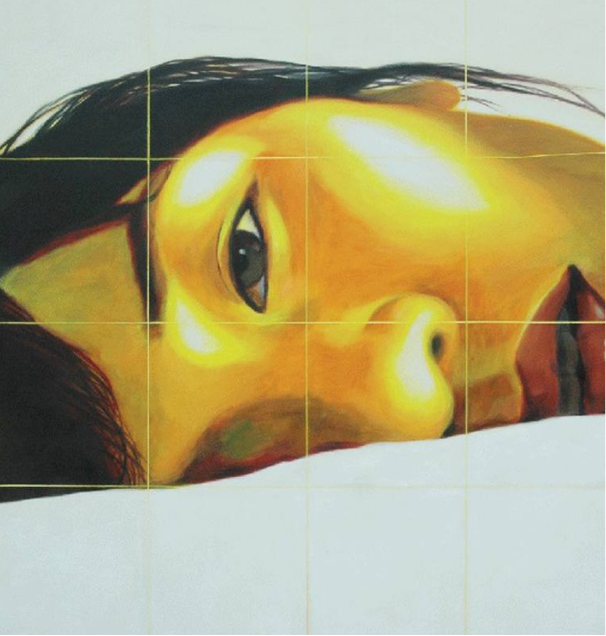
Who are you before the world decides for you? Some people are allowed to simply exist. Others are seen first through race, sexuality, religion, or gender, forced to carry the weight of representation before being recognized as individuals. The burden is not only becoming oneself, but doing so under the gaze of others.
How willing are we to believe when belief is framed as knowledge?
What museums call neutrality is never passive, but a construction sustained by collective trust. And so what remains is not simply the artwork itself, but the power of who frames it, who legitimises it, and who is left outside its borders.
Between postcolonial theory, legal thought, and contemporary artistic practices, a paradox emerges: what appears as inclusion often leaves its structures intact. Voice is not only silenced, but translated and reframed. The question is not how to make the subaltern speak, but how to listen without deciding in advance what can be heard; how to remain in that suspended space where meaning loosens, and something other begins.
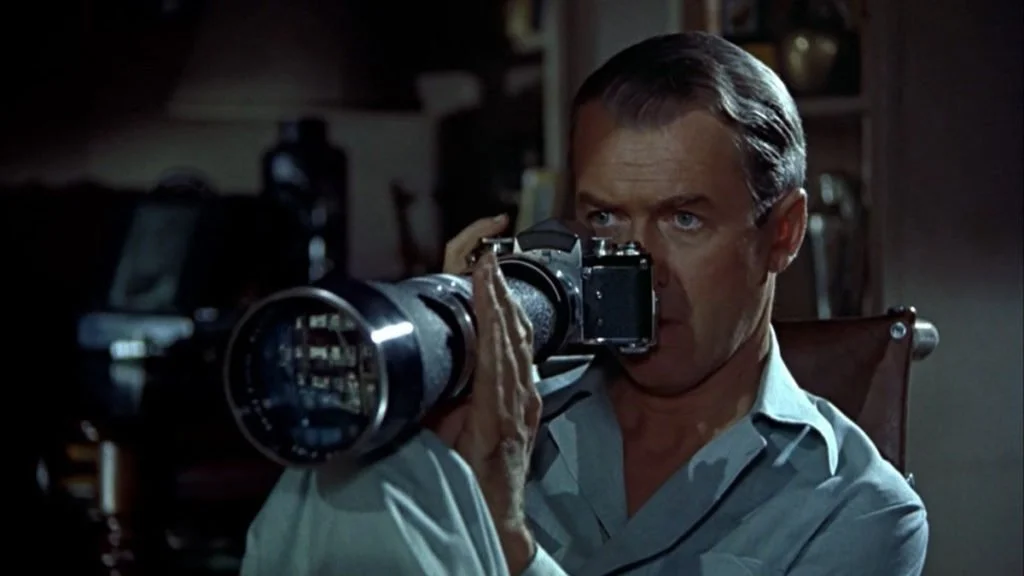
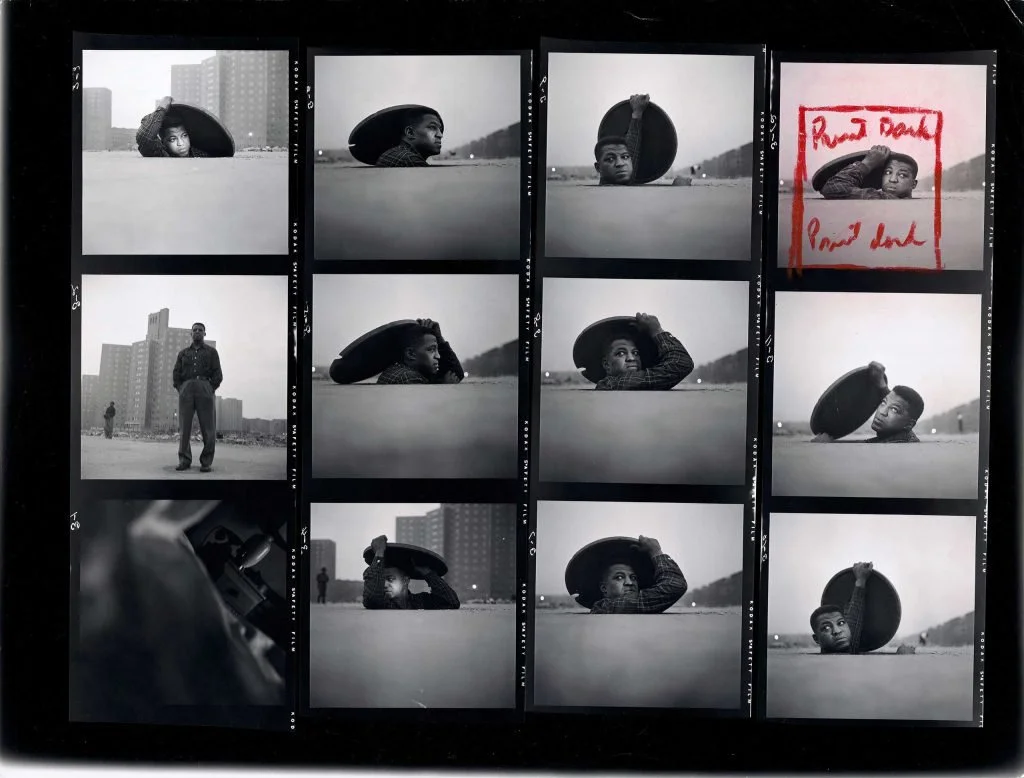
We like to think looking is harmless. That to see is to understand. But what if the gaze does more than observe? What if it decides? This piece examines how two films: Rear Window and Get Out explore the gaze, how it frames and reduces the observed.
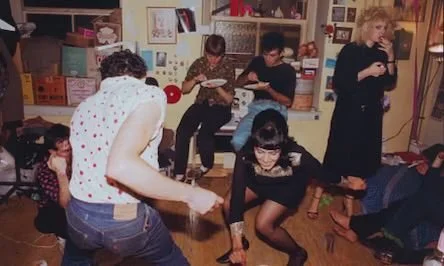
1970s New York was dancing, even as a crisis was being ignored. As AIDS spread in silence, artists like Peter Hujar and David Wojnarowicz turned intimacy, rage, and loss into acts of defiance, forcing a society that refused to look to finally see.
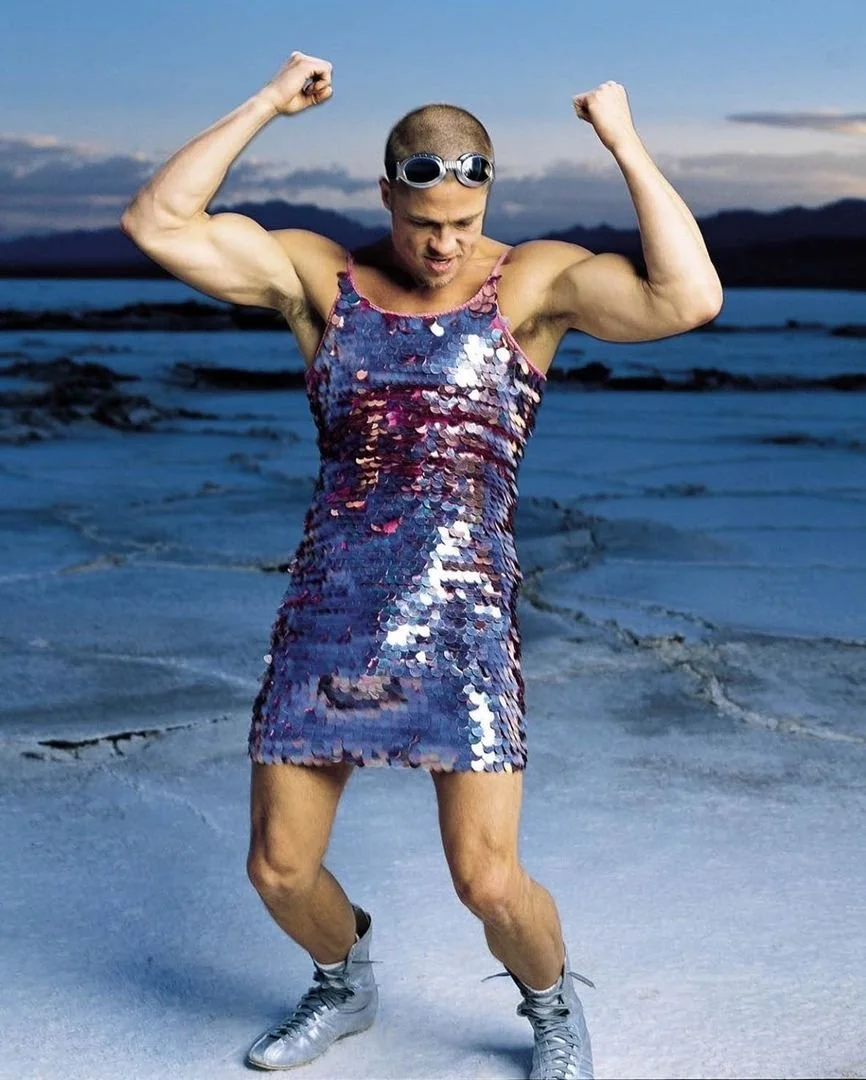
What happens when masculinity starts to dress differently? From painted nails to red carpet looks, more and more straight men are embracing styles once seen as queer, but what does it really mean? Is this a real shift, or just another way for old power structures to adapt and survive? Between curiosity and doubt, the line between authenticity and performance starts to blur.
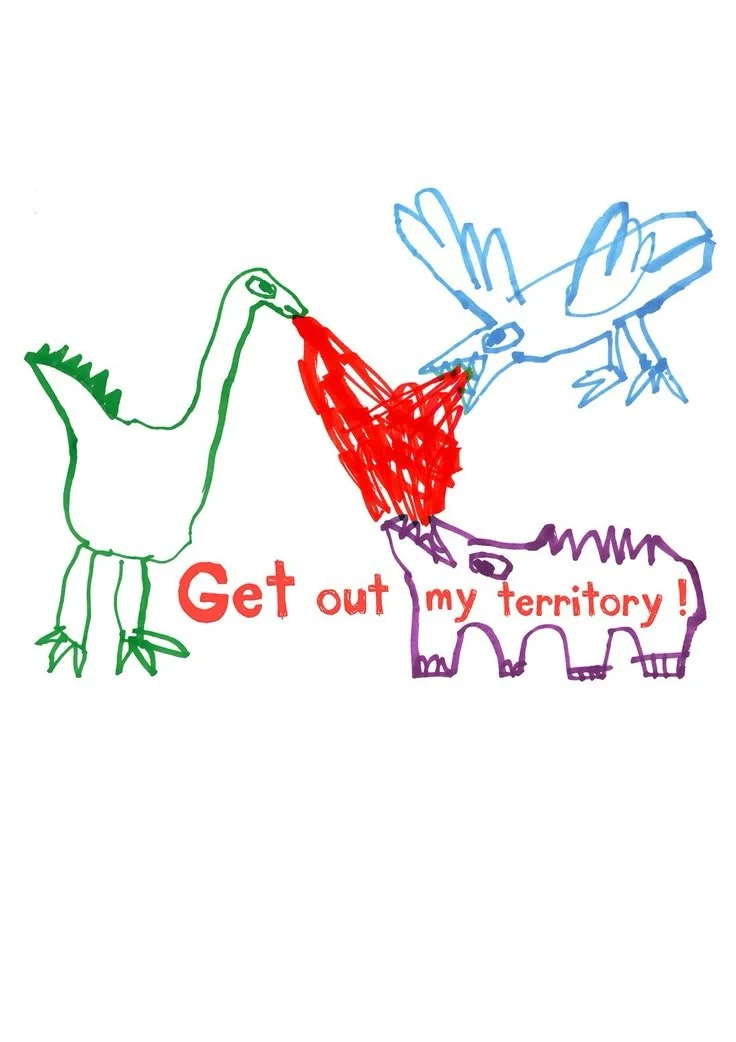
Voices are never neutral: they are placed and framed before they are heard. Focusing on minor voices and minorities, this Manifesto traces the tension between visibility and power, revealing the paradox of being seen everywhere yet rarely heard, and turning the question back to us: where do we stand?
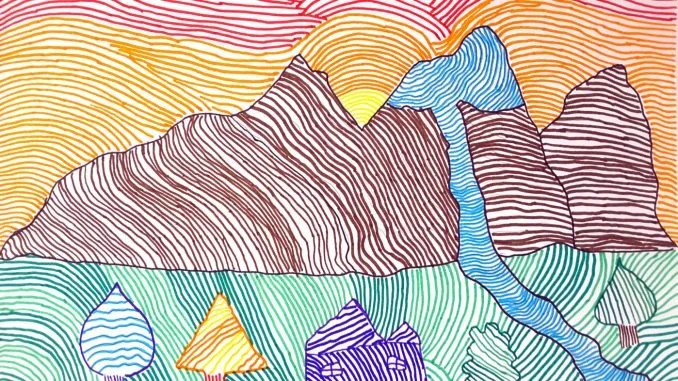
“Minor Voices in Line” is born from the thoughts of seven minds that tried to explore minor thoughts by putting them in line. With a sort of art attack work, I attempted to decompose and stitch back together these voices, creating a dialogue between characters—not invented, but extracted from my vision of the seven voices (including my own). “Minor Voices in Line” is a Transition that will cradle you in the understanding of the passage from liminal spaces to… coming soon!
“Minor Voices in Line” is a Transition that will cradle you in the understanding of the passage from liminal spaces to… coming soon!
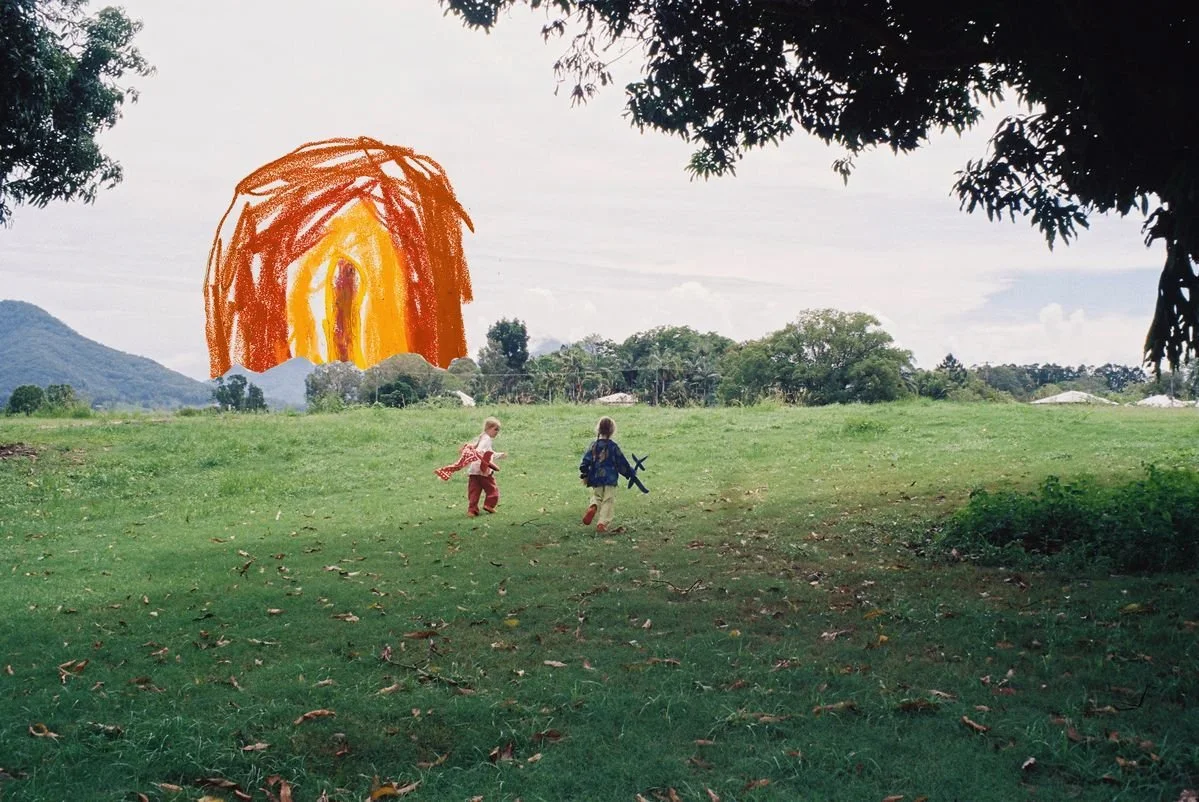
“If we make the choice of ignoring pain rather than confronting it, we become a space that is not occupied by emotions, one numb to hurt.” Should we enter this liminal space of emotional emptiness or embrace the child in us who felt, played, and lived every moment?
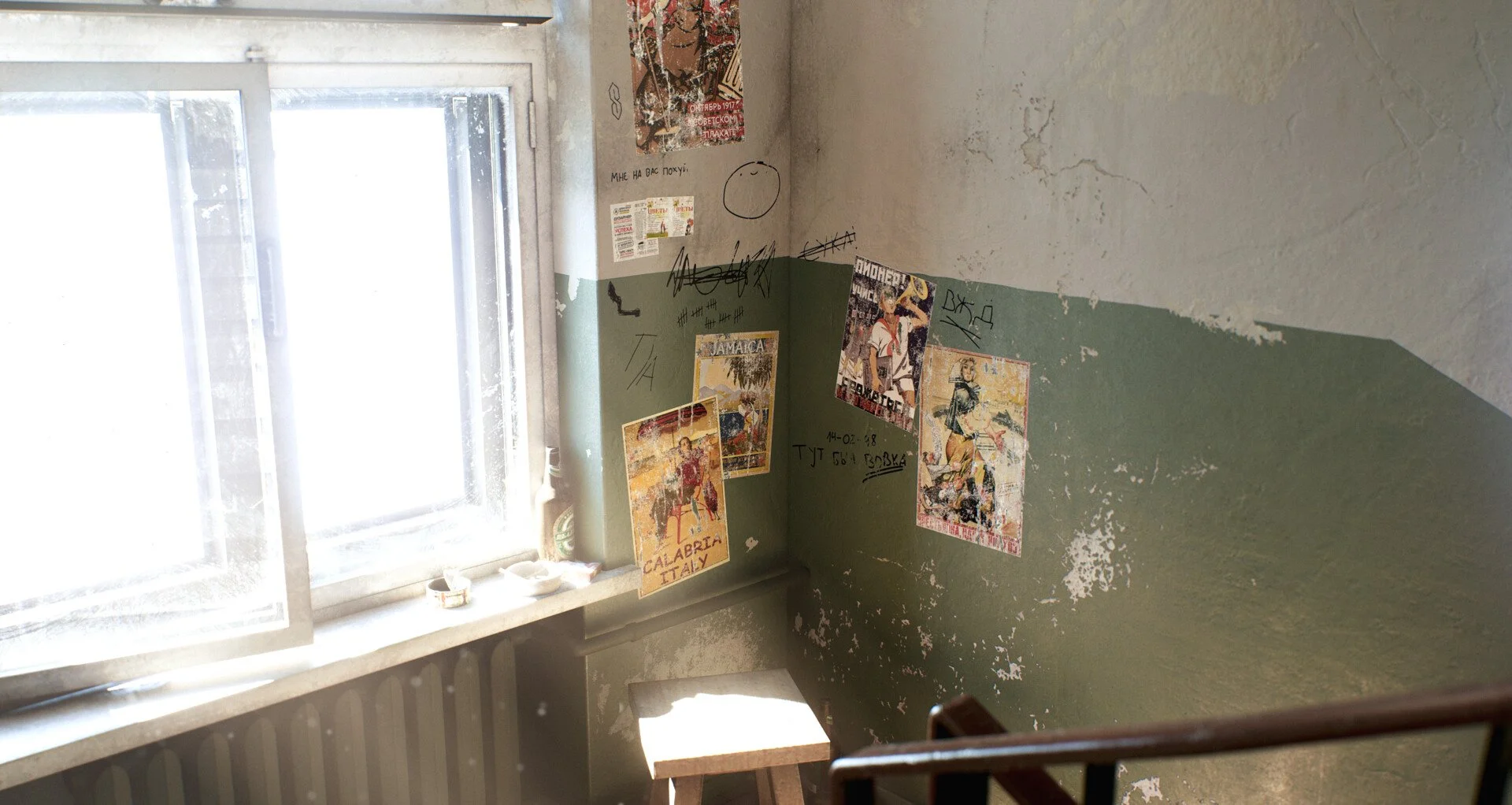
Standing in a hallway back in Bucharest made me realize how little I understand about the generations who stepped on the same cold concrete as me, about their worries and struggles that traversed the same paths. In a timeless, sterile space I found a connection to my past, and a guide towards what lies ahead. And all of it waits for a door to open.
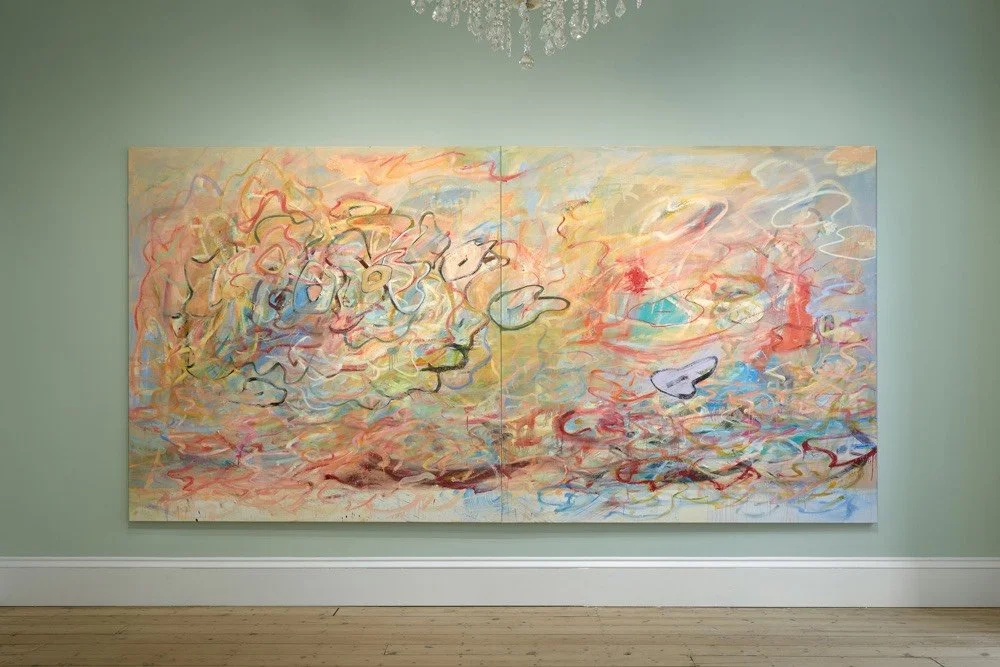
A winter journey through Milan’s art scene, where form confronts fragility. From Giovanni Gastel’s suspended elegance at Palazzo Citterio to FEUERSTÜHLE at Galleria Montegani, Mapplethorpe at Palazzo Reale, Austyn Weiner at Massimo De Carlo, and Triennale’s White Out, each exhibition reflects on preservation, transformation, and impermanence.
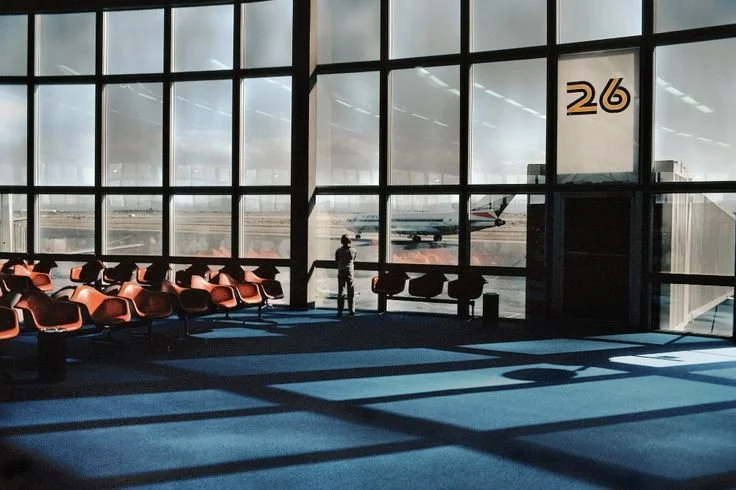
A place that does not keep you. Here, you'll find reflection, waiting, and the sound of departure repeating itself. Time is borrowed, roles loosen their grip. For those unclaimed by destination, for those who trust movement more than answers, for those who seek comfort in incompleteness.
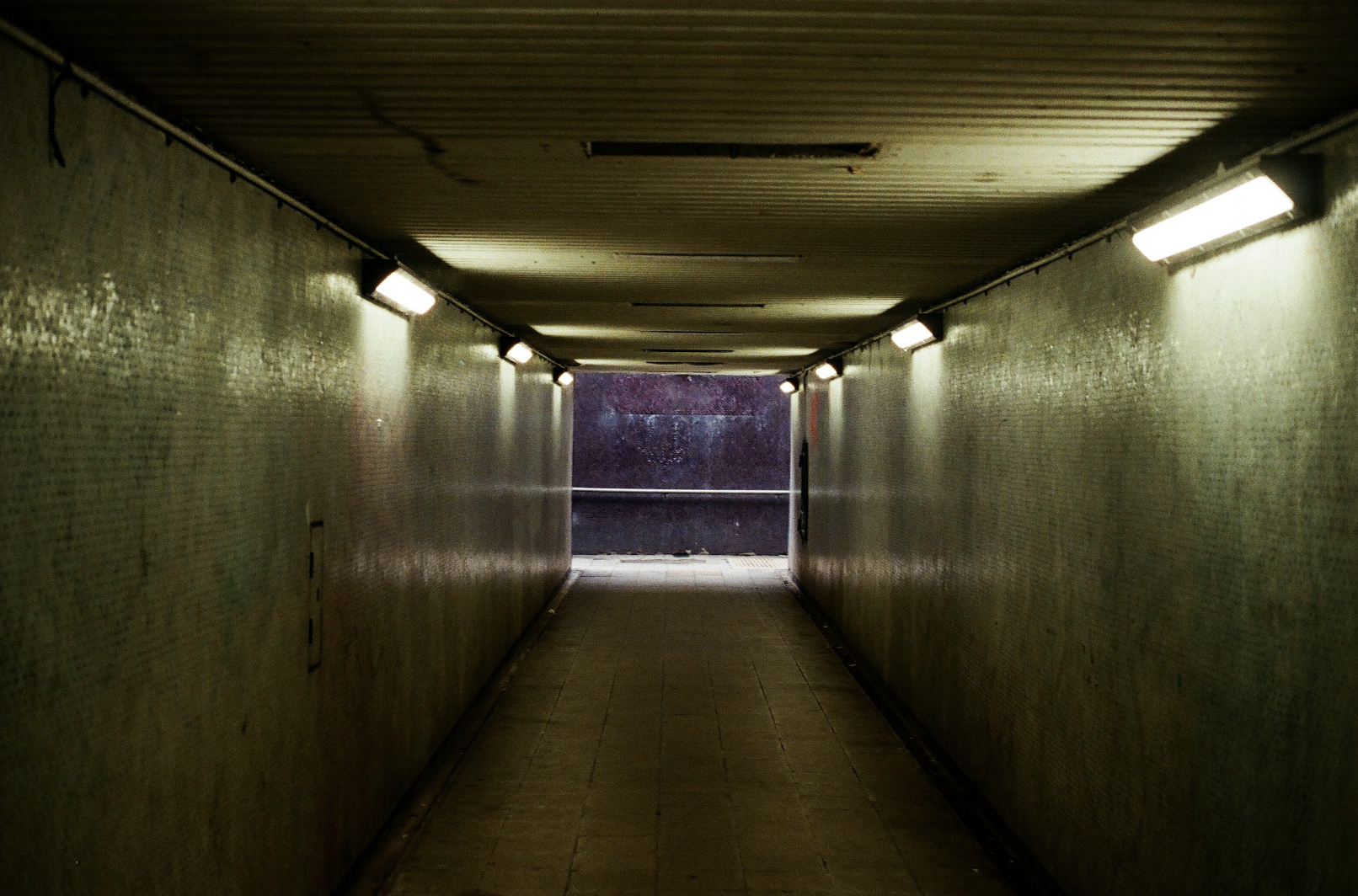
An uncanny journey through the ever-changing house of the mind. When I dream, I drift through chaos, control, and becoming. Between waking and sleep, my unconscious speaks in fragments. Time blurs, identity loosens, and something in me is remembered—then lost.
I live in a space between wanting clarity and learning to stay with uncertainty. I keep searching for a door out, a moment that tells me I’ve arrive, that I’m done becoming. But the longer I circle this threshold, the more I wonder if my need for answers is what keeps me here
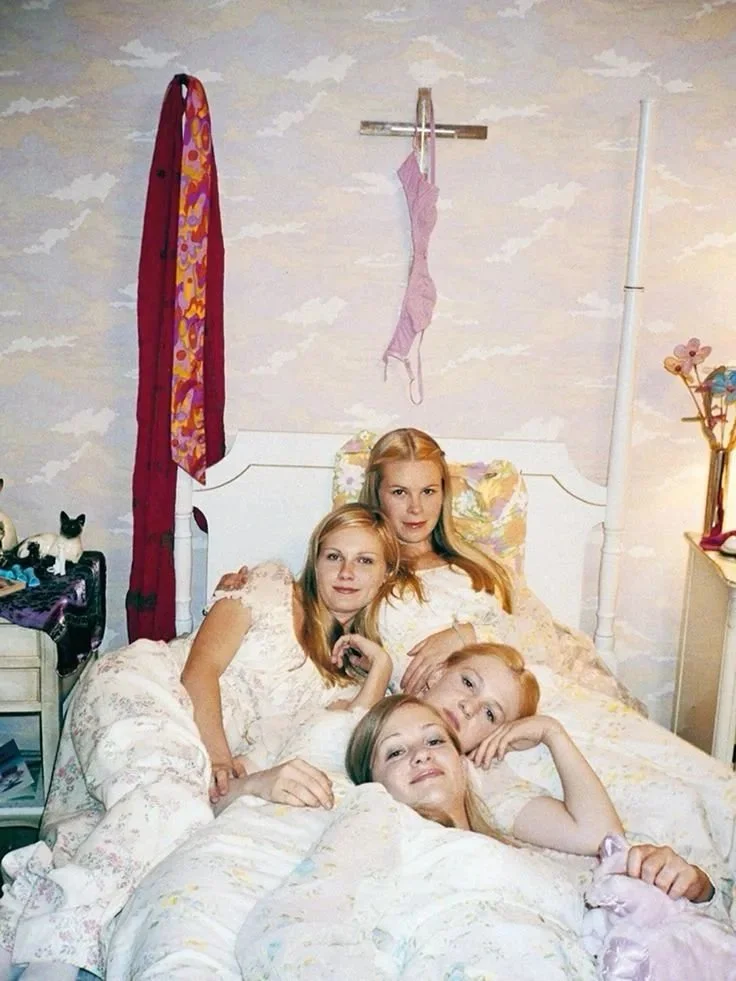
I hope to bring you into my bed☆ and, scene by scene, make you fragile☆. For those who ask for intimacy they cannot sustain, for those who love endless trees, for those who walk their own bed on a leash with pride. I caress you all☆and watch you☆ while lying in your liminal space☆☆MADDA
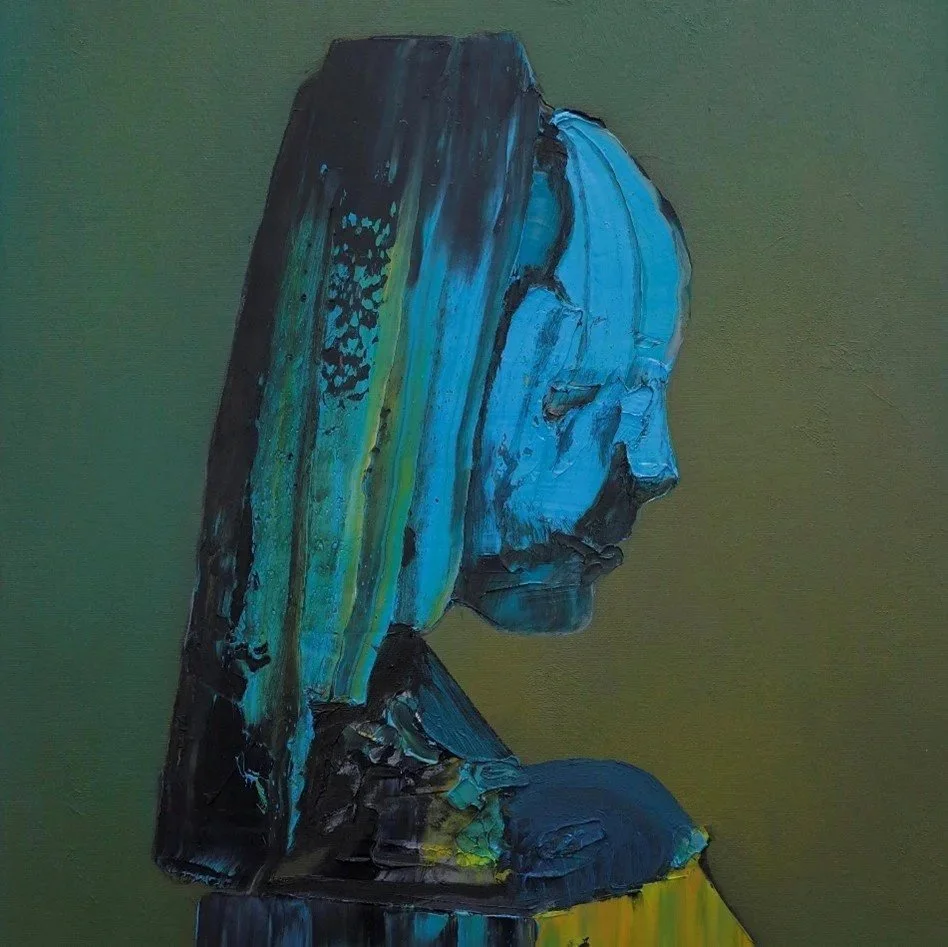
In the haze between memory and dream, anemoia melodies draw us into remembering places we have never seen before. Guided by The Caretaker’s ghostlike sounds, we drift through the liminal, where time dissolves and reality fractures into the uncanny, finding in the silence of the future an eerie rebirth.
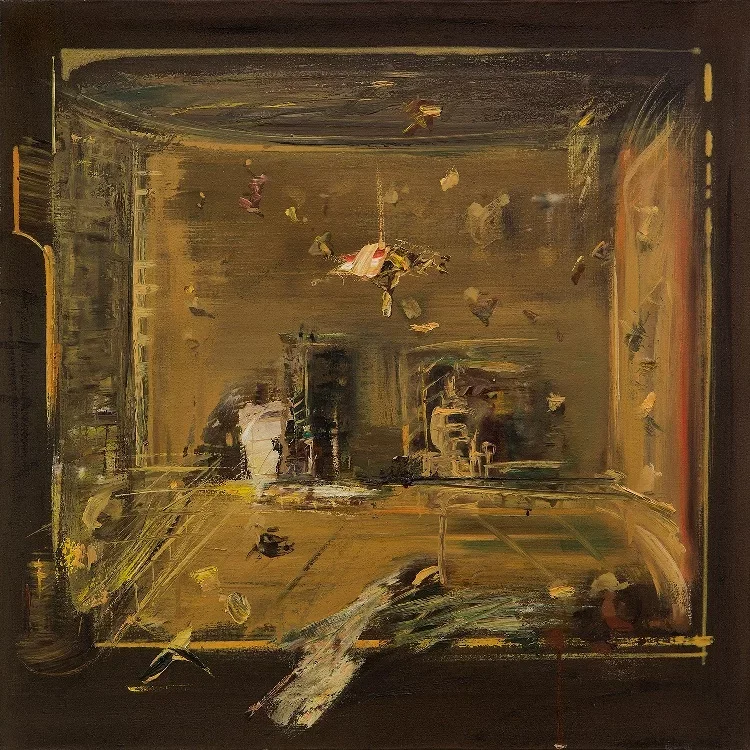
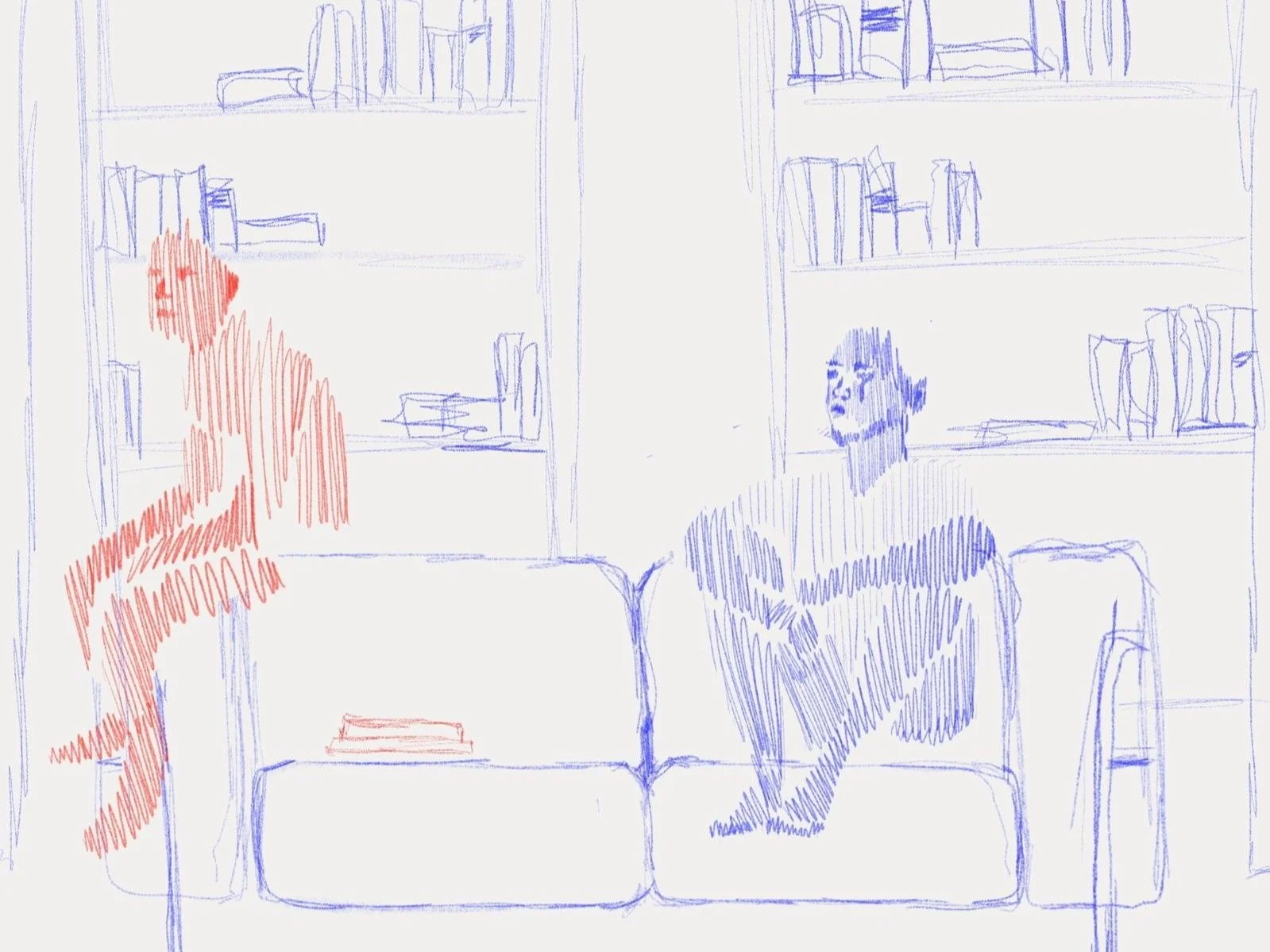
A shared house is a liminal space that walks into your life. Imagine having a roommate, a stranger who is always in your house. You absorb their stories, their calls, their laughter. Yet in this in-between, something aligns, and you realise that simply feeling part of something may be enough.

Below Milan’s polished streets lies another city made of echoes, flickering lights, and strangers in motion. Between departures and arrivals, the subway becomes a space where time folds, and the self dissolves into movement. A fleeting threshold between what has been left behind and what has yet to arrive. Where the city shows its most authentic side, and so do we.

We are creatures of thresholds craving permanence, yet our only constant is change. We long to arrive, yet the act of arriving empties the arrival of its meaning. Once the thing we awaited becomes ours, the waiting itself dissolves, and with it, a certain aliveness. Hence, we look again toward the next horizon, the next job, the next version of ourselves. As the queue advances, we step forward.

In the liminal spaces between objectivity and subjectivity, art finds its pulse. This is where the invisible and the outcasts, like Henry Darger and Judith Scott, create, transforming isolation into invention. Darger’s hidden epic and Scott’s intricate sculptures speak louder than any words, bridging the gap between the worlds they inhabit and the one that ignores them.

Liminal spaces belong neither to where we’ve been nor where we’re going. They exist in the threshold, between step and step, silence and word, dusk and dawn. Here, time blurs, certainty falters, and transformation begins. To dwell in liminality is to dwell in becoming.
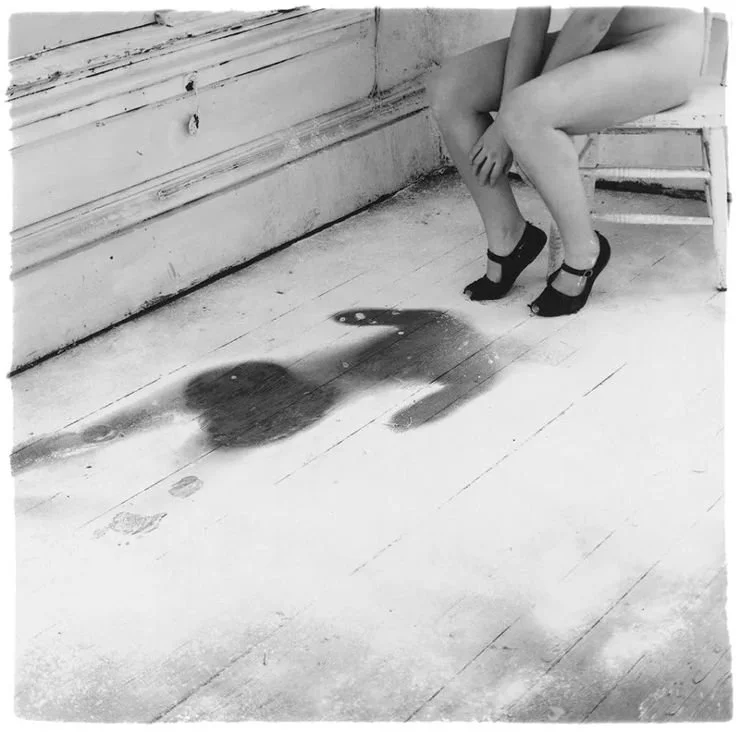
Nadja’s unanswered “Who am I?” echoes through Breton’s glove, Proust’s illusions, and Francesca Woodman’s fragile self-portraits. Between absence and desire, intimacy and disappearance, women shift from muse to ghost, from object to creator. In Woodman’s images, the unseen becomes visible, fragility gains presence, and absence itself is possessed.
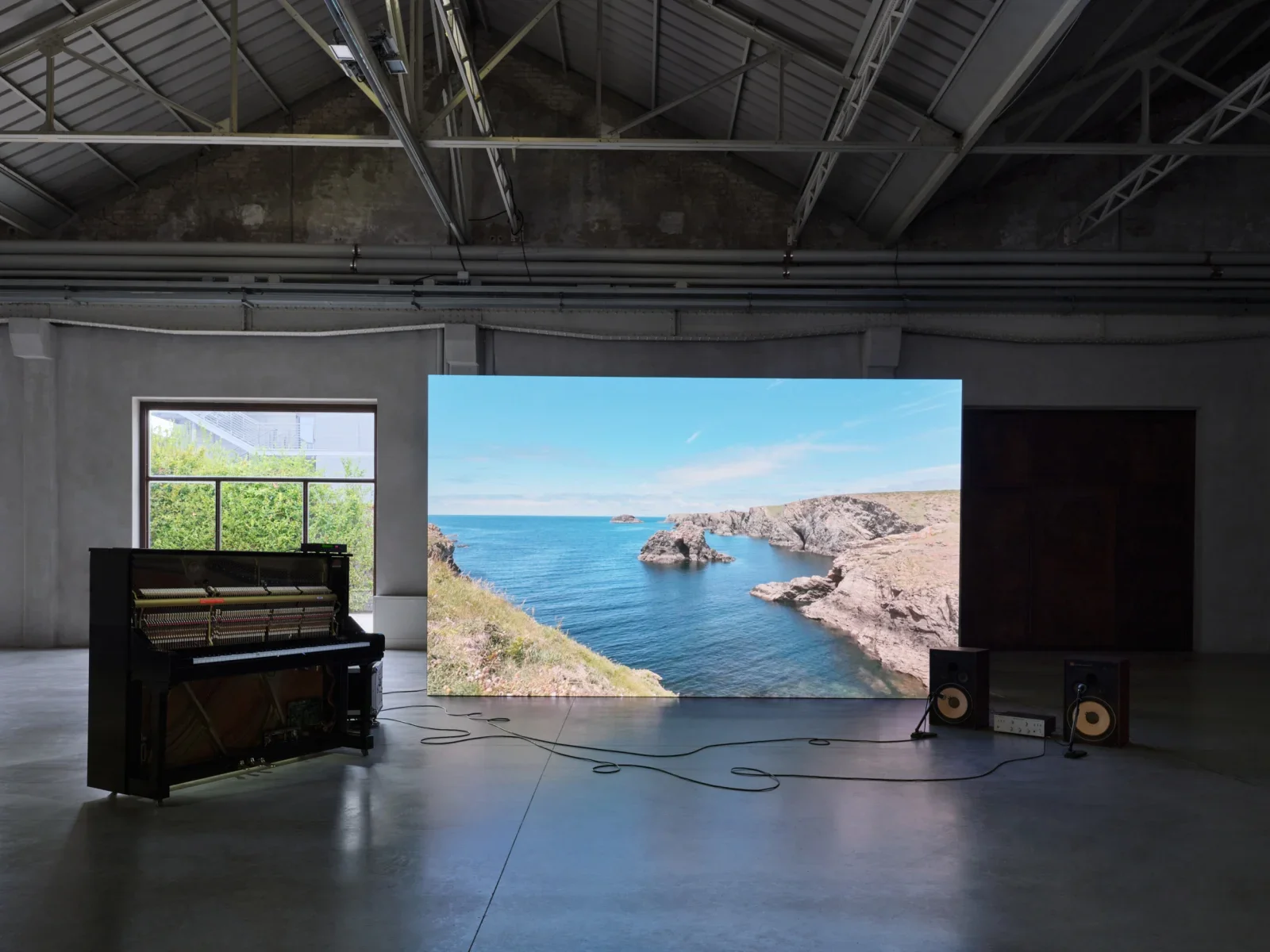
Explore Delphine Valli’s kaleidoscopic visions, Yuko Mohri’s kinetic installations, Leonora Carrington’s surreal dreamscapes, and Robert Rauschenberg’s radical 1960s works. From contemporary experiments to timeless icons, Milan’s galleries prove that art thrives in the in-between.

Spectacle that can’t walk, sit, or breathe still fills the feed. This piece maps how branding borrows the word “art.” Our curated circles feel outside but, at the same time, sit very close to the stage. Maybe the glitch we crave isn’t onstage: it’s in us.
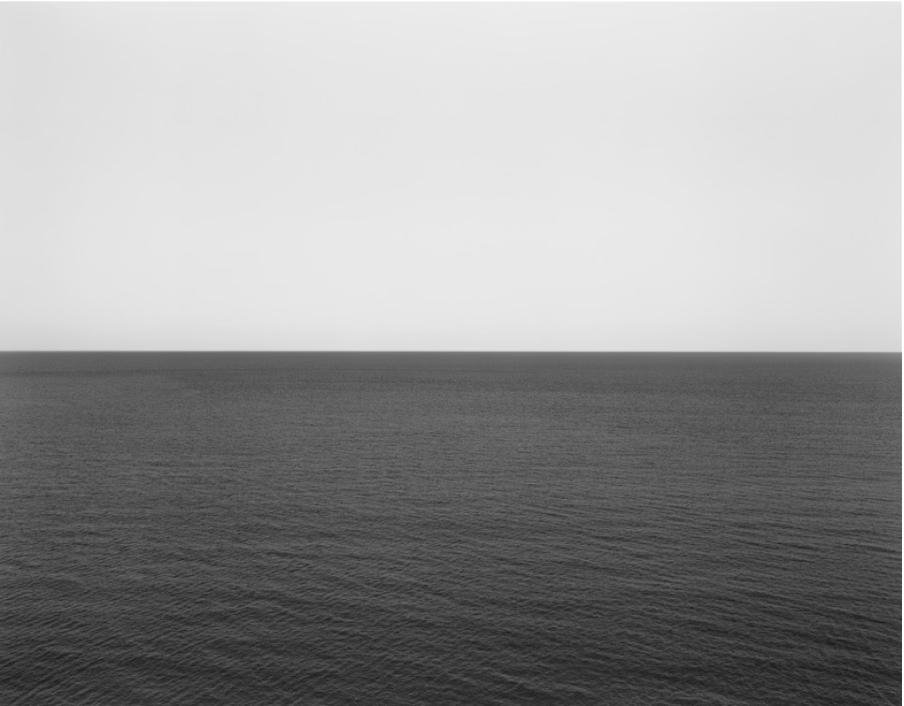
We spend our lives escaping silence, as if stillness were a void instead of a mirror. But the absence of sound is not emptiness — it’s the echo of a primordial stillness, a space where thought thrives and memory lingers, quietly untouched by the noise we’ve learned to need.
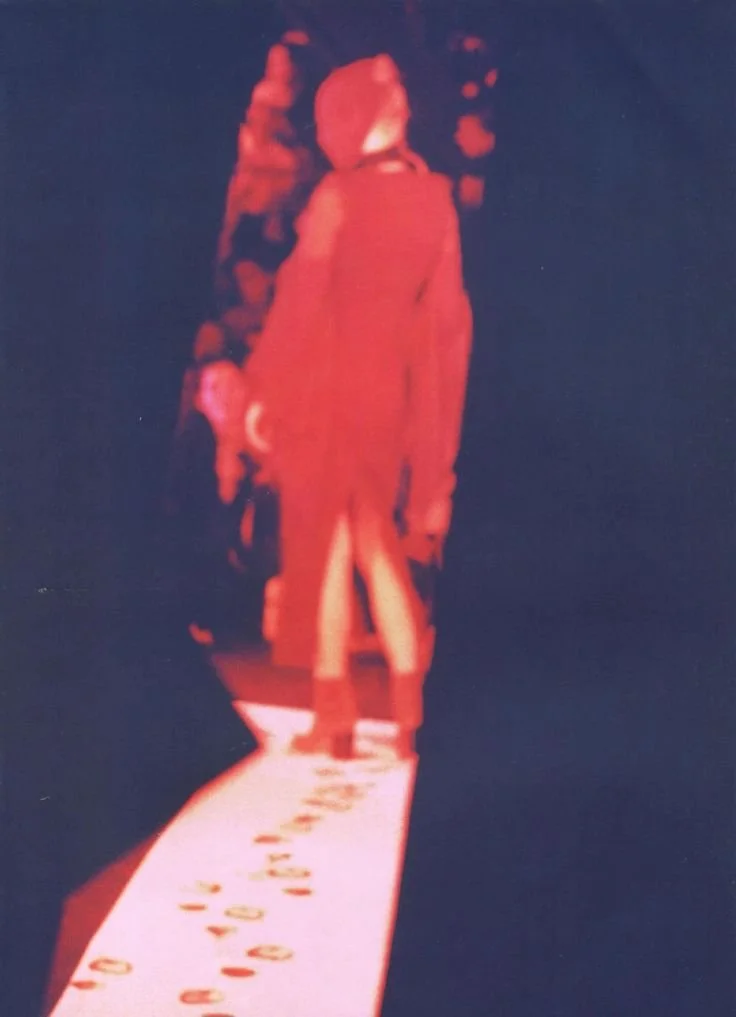
When luxury goods and their counterfeit twins share the same production and manufacturers, authorship starts to look more like a tool for exclusion than a genuine marker of creative integrity. Maybe fakes aren’t that shocking, maybe they’re a reality check for self-important creatives and corporations, a reminder of what honest creation actually is.
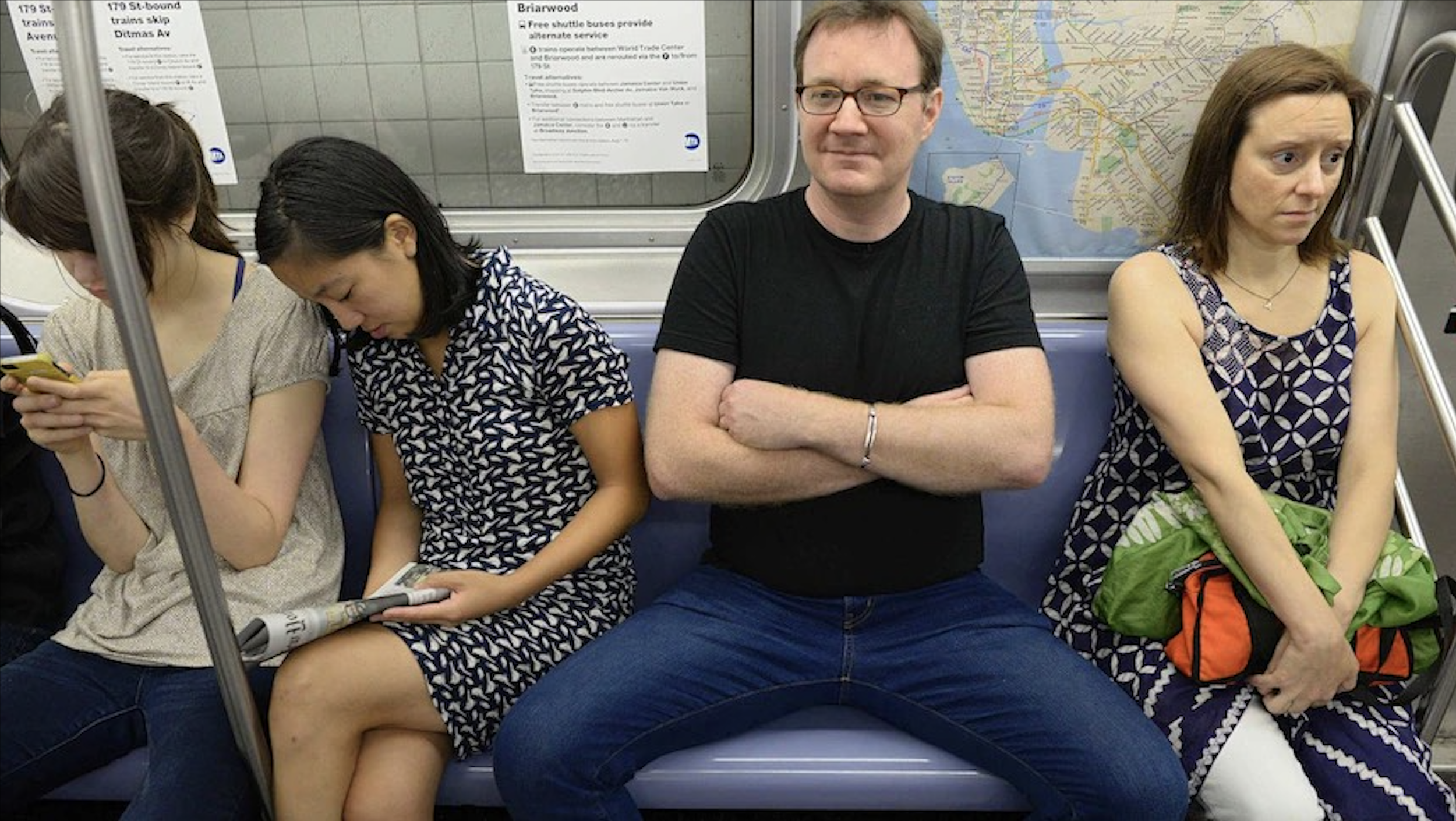
My overflowing essence enters another cluster of spirits that stand scrutinizing my form of respect for my identity concept. Naked, my body takes on lightness and gains power. Maybe it plays hide-and-seek between my space and yours. Me & You, we are dots.
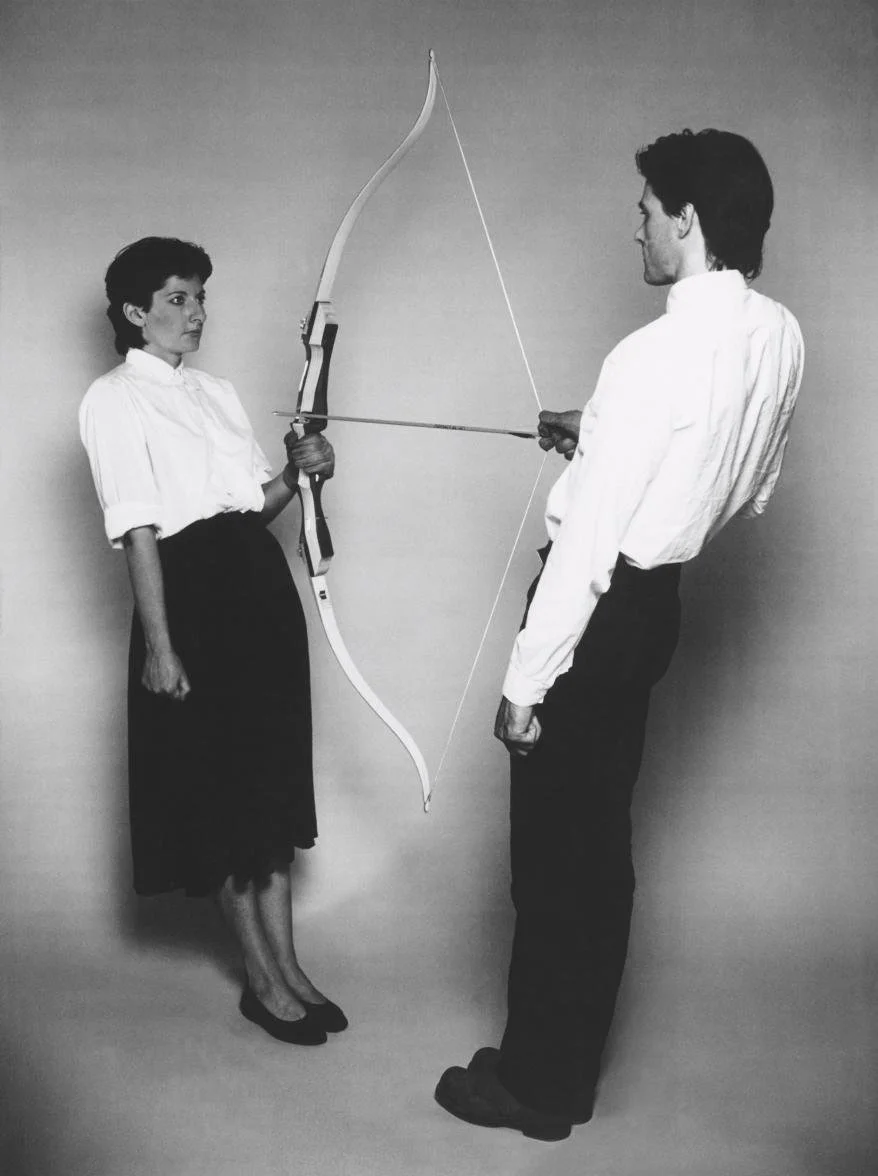
A love letter to all the versions of love I imagined before they ever had the chance to exist. What does it mean to stay present even when the future no longer fits?




Stories
We spend our lives escaping silence, as if stillness were a void instead of a mirror. But the absence of sound is not emptiness — it’s the echo of a primordial stillness, a space where thought thrives and memory lingers, quietly untouched by the noise we’ve learned to need.
A love letter to all the versions of love I imagined before they ever had the chance to exist. What does it mean to stay present even when the future no longer fits?
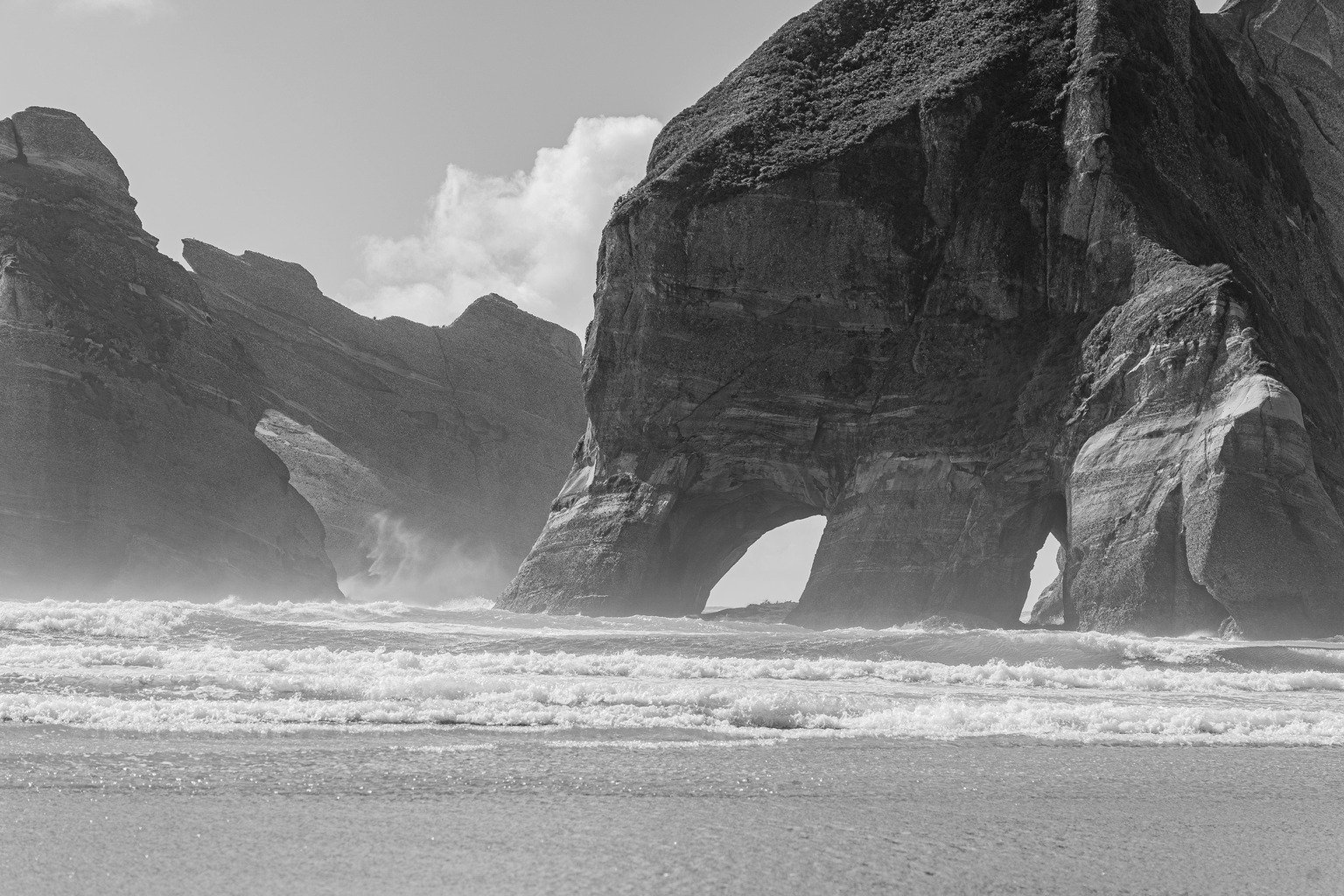
Indigenous contemporary art is declaration, it is assertion, it is creation born from struggle. In colonised lands, artistic practice cannot be separated from history. Every exhibition, every sculpture, every performance emerges from the continuum of dispossession and endurance. The body itself becomes a site of resistance — tattooed, moving, unveiled — while the art becomes protest, memory, prophecy.
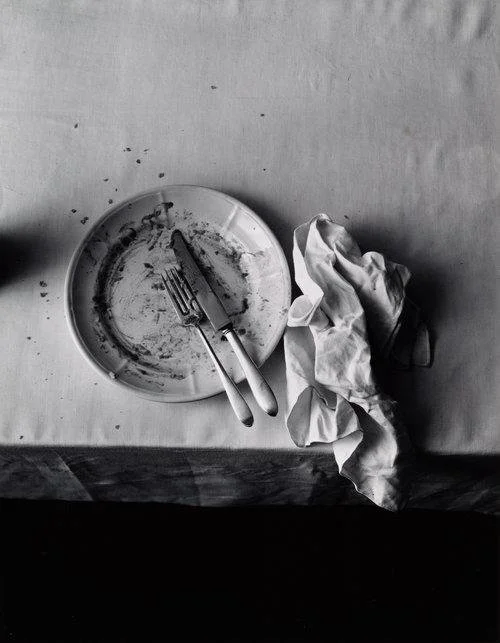
They say the way to one’s heart is through the stomach, but cooking has taught me that love is a journey through the whole self. Sharing a meal with someone special can be a lesson on empathy and a glimpse into the future. Here’s my reflection on love, accompanied by a warm bowl of soup, made from scratch.
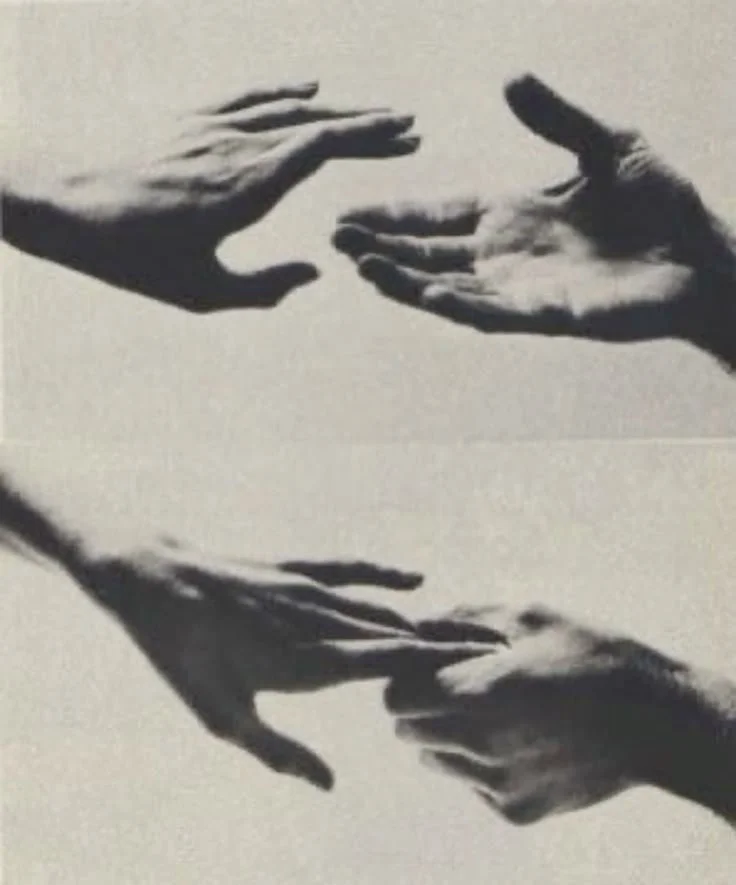
Love has always been taught to me as a means to an end… a relationship, a marriage, a heartbreak, or, ultimately, death. So, what is love without a destination? Is it allowed to be called love?
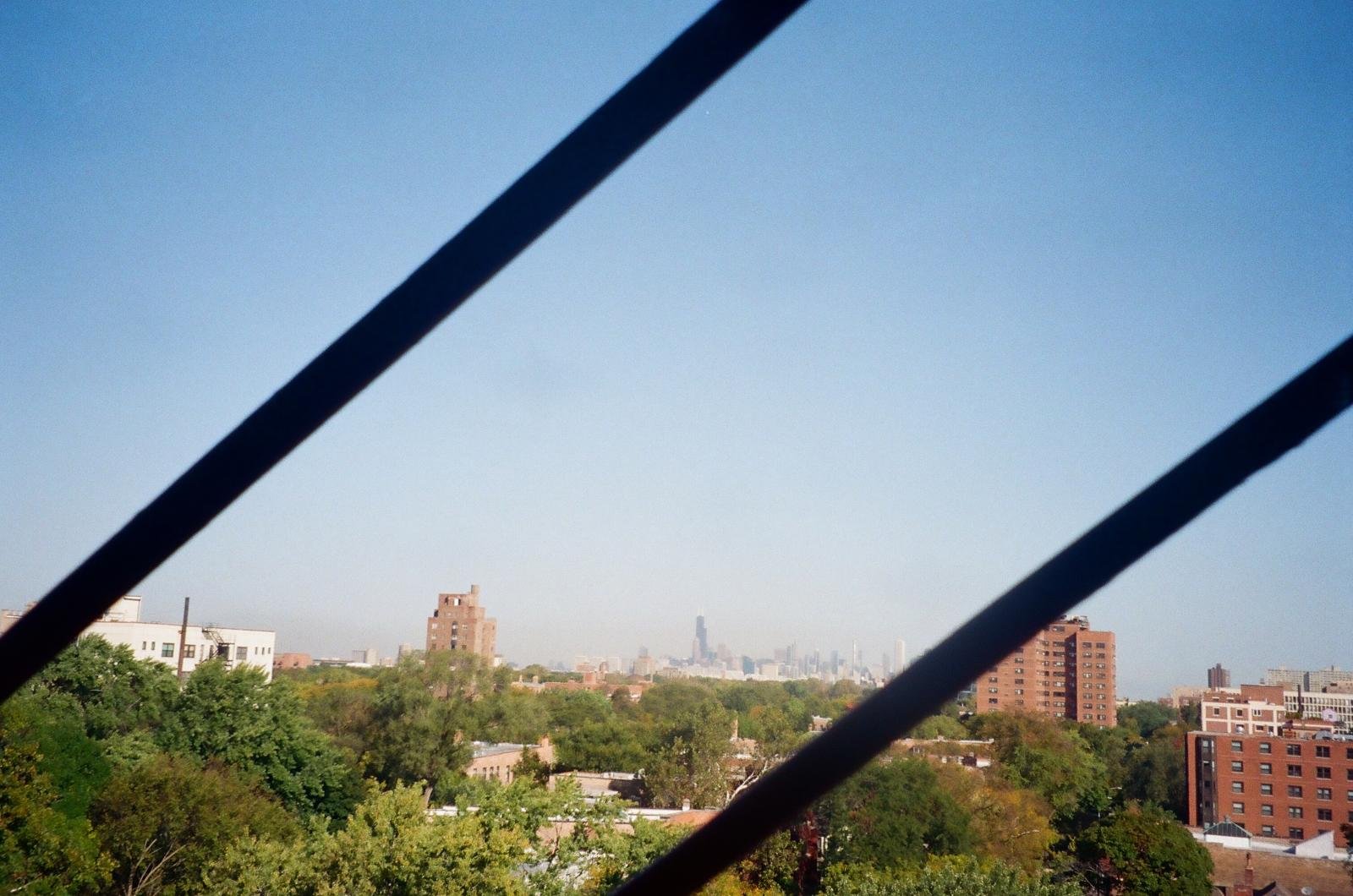
When you are too white and not poor enough to hate America, you can, and you should, hate it. Loving it is too easy for it to be true, and hating it is painful because the love is real. Read about how a European can get high on Trader Joe’s and Jell-O shots.

Why do we fear the unknown? How do we impose order on the uncertainties of life? A glance in the mirror, a knock on wood—superstitions persist, not as relics of the past, but as quiet anchors of meaning within one hell of a chaotic world.

I have a crush on all my friends because once upon a time, they were strangers. I have a crush on all my friends, not as objects of desire, but as creatures to be marveled at. I have a crush on all my friends, and I’d be a fool if I didn’t.

Through first impressions of Milan, this narrative explores the intricate process of perception forging. From initial awe to gradual acclimatization, it examines the role expectations play in shaping insights; and how repeated experiences transform our initial wonder into a familiar tapestry, reflecting the dynamic interplay between novelty and normalcy in our minds.
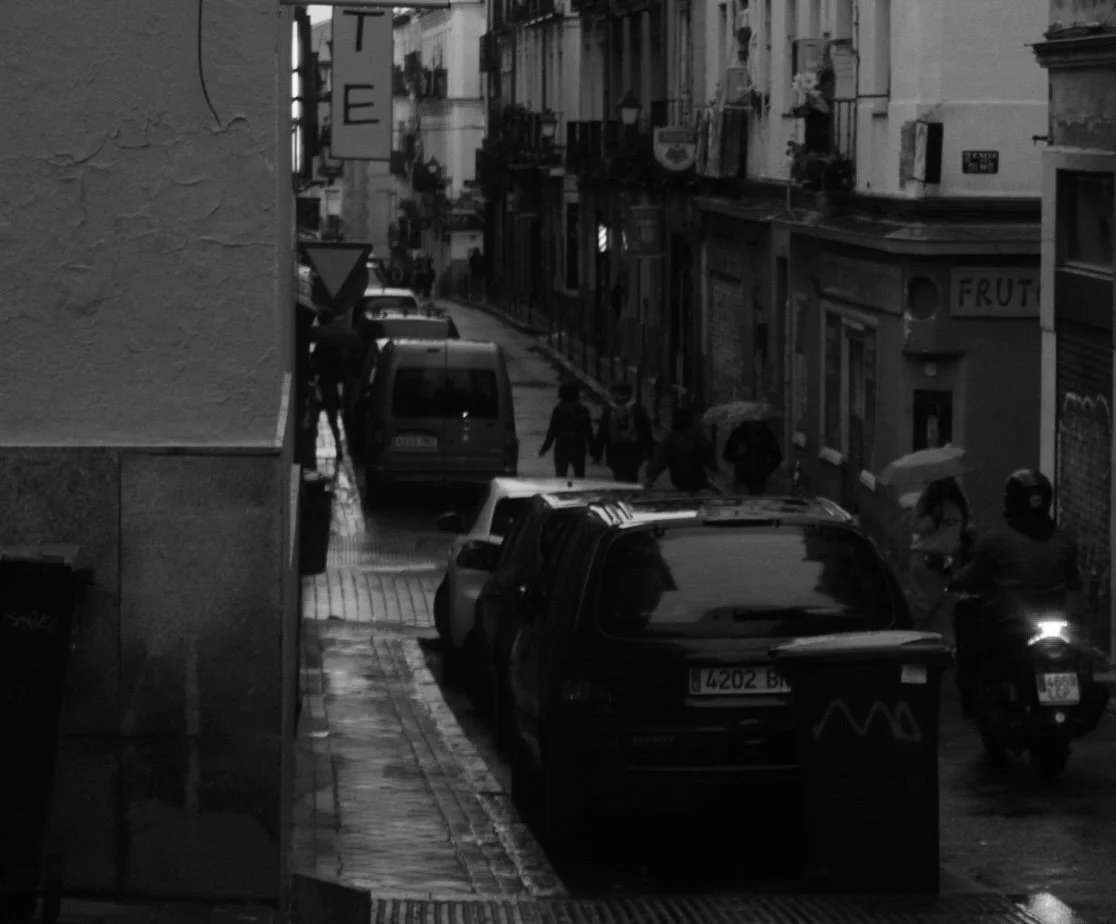
While city rambles incessantly, minds struggle to keep up with the chaos. Eyes roll on handrails, billboards and building facades. Bodies forgotten on metro seats, later drawled through traffic. How to cope with freedom in a boundless metropolis?

A recollection of thoughts, words, and songs; a journey through the gardens of an inner world each of us harvests. One that can be specially difficult to tame. But in reality, when has our individuality ever been easy to grasp?

Which has more value: the existing, or its representation? How can the most insignificant things bring one to tears? If you are looking for answers, don’t bother reading: here, you will only find a sleepy urban tale of cups and madness.
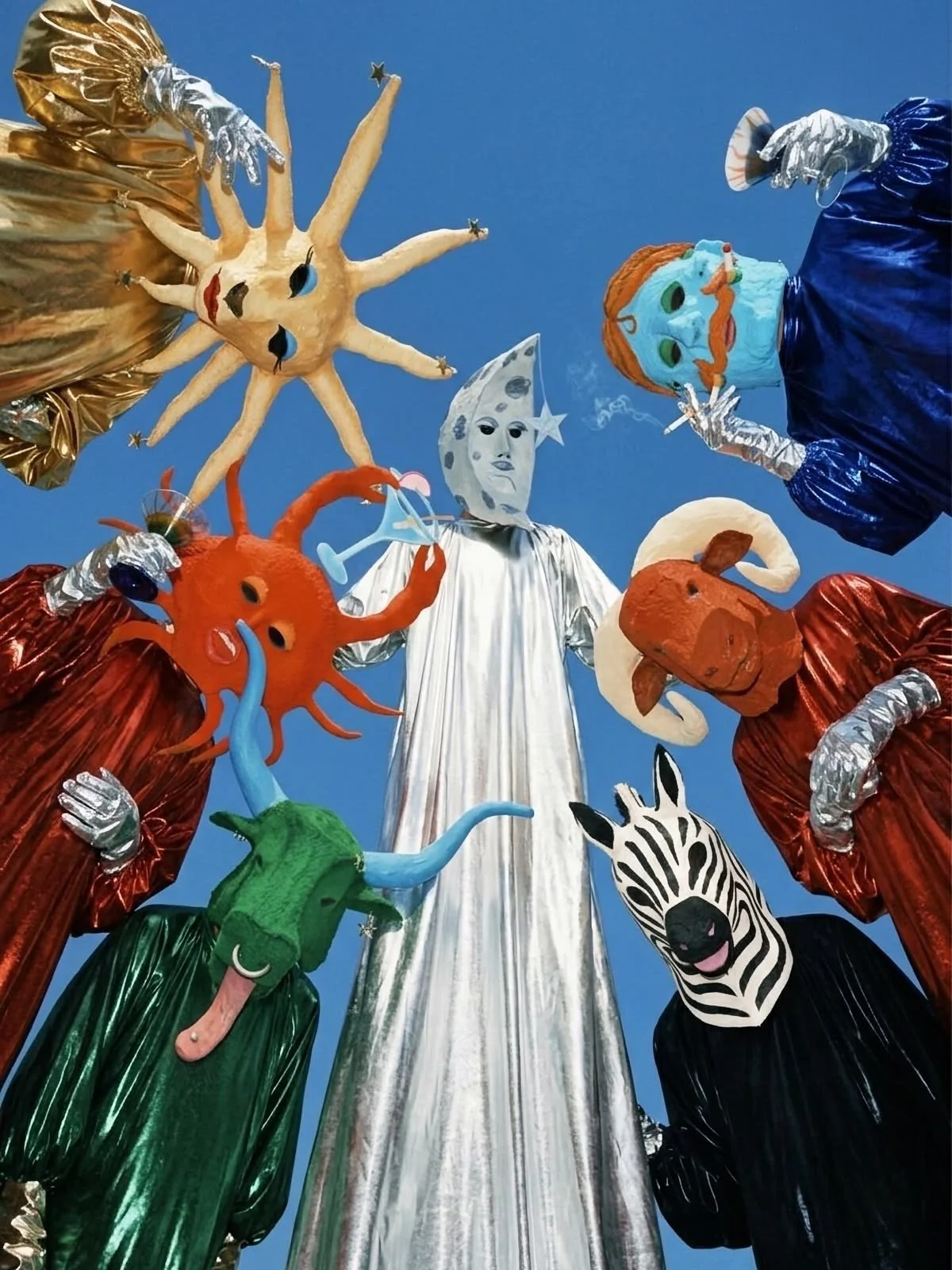
LIBRA SEASON
Embrace, nurture, devour the unnoticeable. Thrive off the balance between extreme and minute. The Libra Moodboard is here to remind you of the string of small things that continue centering us to our amazing world and true being. Drown in the unnoticeable during this Libra season.

Embrace, nurture, devour the unnoticeable. Thrive off the balance between extreme and minute. The Libra Moodboard is here to remind you of the string of small things that continue centering us to our amazing world and true being. Drown in the unnoticeable during this Libra season.

That they just wanna do something / That they can be a part of / And they can, they can, like, mold / And they can make… Join us during Virgo Season as we challenge the ideas of perfection and creativity, and how they shape the life we pursue

Cancer is all about comfort and feelings over reason that make their cheek always rosy, either from being overly angry or overly whipped. Our July mood board is ideal to scroll through under the AC on a hot summer afternoon, to find PDA of humans and animals alike, childish yet expensive runway looks from the 90s, and nonsensical Snaps.

Wrongfully the most hated, the sign of Gemini brings non-sense and funk as a remedy against daily like. Y2K extravaganza is the red string of this month’s mood board, composed of icons only: the Olsen twins and their impeccable style, Britney and public meltdowns, Patrick Bateman and his tapes.
Our Gemini mood board is an ode to the sign that can keep it cool even while freaking out.

We hope you all had time to get comfortable, cleanse, and come back down to Earth with Taurus season in the last month. In this mood board dedicated to it, you can find celestial architecture, pearly whites, and glossy surfaces to remind you to give yourself a mental break from life’s tensions and practice patience before getting deep into the summer heat.

Flames burning and distant utopian landscapes, extraterrestrial shapes and dramatic emotional turmoils: our Aries Moodboard accompanies you to fiery days where the journey is still long and the mountains to climb are high.
Though I'm past one hundred thousand miles / I'm feeling very still / And I think my spaceship knows which way to go.

Perhaps a bit late and a bit messy, but our Pisces Moodboard is here! Just like the sign, our latest in an eclectic mix of deep waters mirabilia.
Sometimes temperamental and working the best in solitude, you´ll find silent images speaking through signs, forgotten statues covered in seaweed, and hard-to-decipher images. Nothing less you´d expect from the last - yet not so wise -sign on the Zodiac.

A solo exploration in waters deeper than those Michael Pelps was in, our Aquarius mood board is a hymn to the grotesque forms of life fossilized in the depths of the sea. Or the internet. Wake your senses with a bucket of ice cold water for the first (and last) warm weekend of January.

Cubitum eamus? (Shall we go to sleep?) For the the season of restless Capricorns, we bring you futuristic techwear and nylon garments from the archives, concrete buildings, vintage ads. In the last days of a year that felt like a decade and a blur at the same time, take a seat to reflect over what you’re leaving behind. There might be no magic left in the world, yet we still believe in it.
1970s New York was dancing, even as a crisis was being ignored. As AIDS spread in silence, artists like Peter Hujar and David Wojnarowicz turned intimacy, rage, and loss into acts of defiance, forcing a society that refused to look to finally see.
In the liminal spaces between objectivity and subjectivity, art finds its pulse. This is where the invisible and the outcasts, like Henry Darger and Judith Scott, create, transforming isolation into invention. Darger’s hidden epic and Scott’s intricate sculptures speak louder than any words, bridging the gap between the worlds they inhabit and the one that ignores them.
Nadja’s unanswered “Who am I?” echoes through Breton’s glove, Proust’s illusions, and Francesca Woodman’s fragile self-portraits. Between absence and desire, intimacy and disappearance, women shift from muse to ghost, from object to creator. In Woodman’s images, the unseen becomes visible, fragility gains presence, and absence itself is possessed.
When luxury goods and their counterfeit twins share the same production and manufacturers, authorship starts to look more like a tool for exclusion than a genuine marker of creative integrity. Maybe fakes aren’t that shocking, maybe they’re a reality check for self-important creatives and corporations, a reminder of what honest creation actually is.

The memories we associate with our clothing shape the construction of our identities, adding layers with each wear. Explore the intimate weave between clothes and memories, inviting you to relive yours or invoke those of others.

When fashion meets architecture, a realm of boundless creativity is born. In this dialogue with Nathalie Danten and Francesco Pizzorusso, we enter the minds of two creatives shaping Milan's artistic landscape and explore how, through collaboration, we can forge new paths expression.




Interviews

What if the boundaries between academic research, cultural practices, and art could dissolve into a shared space of inquiry? The editorial project Radical Creativities offers a quietly bold model of scholarship: one that values peer-reviewed rigour alongside experimental formats, and that cultivates a mindset of connecting theory and practice, of working across disciplines. We hear from Lorenzo Biferale, Federica Rubino, and María Ruigómez Eraso as they share their vision.

Following her seminar on Foreign Artists at Bocconi and linked to the recently opened Venice Biennial's theme, we had a chance to have a talk with author, historian and cultural diplomat Annie Cohen-Solal. We chatted Rothko, Sartre, insolence, and not belonging.
When fashion meets architecture, a realm of boundless creativity is born. In this dialogue with Nathalie Danten and Francesco Pizzorusso, we enter the minds of two creatives shaping Milan's artistic landscape and explore how, through collaboration, we can forge new paths expression.

From the art-drenched streets of London to the cultural tapestry of Naples, her lens captures a rebellious and authentic journey. Uncover the raw fusion of personal identity and visual storytelling, challenging stereotypes and societal norms. Zagari's work is a rebellion in every frame, a visual manifesto against conformity.



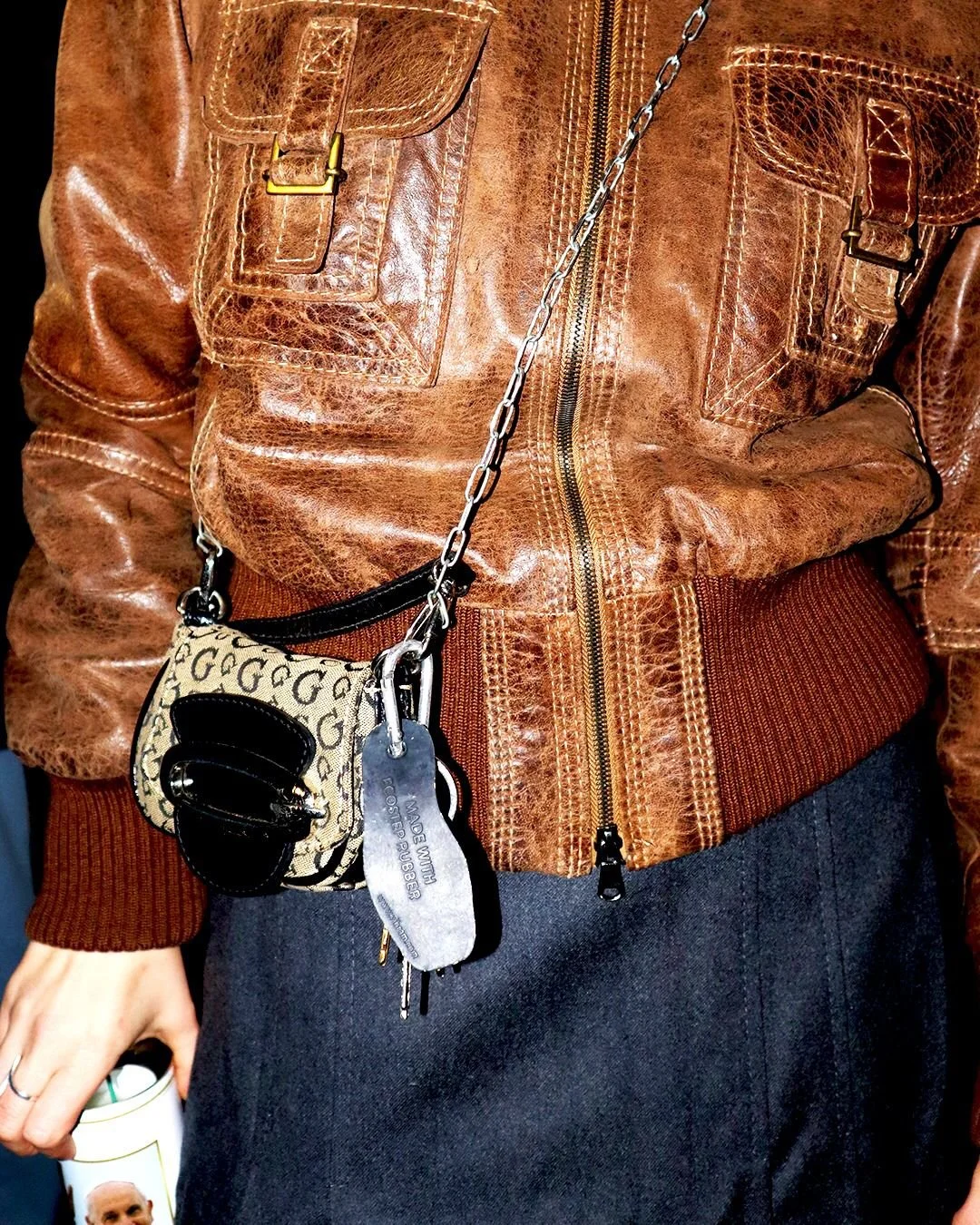
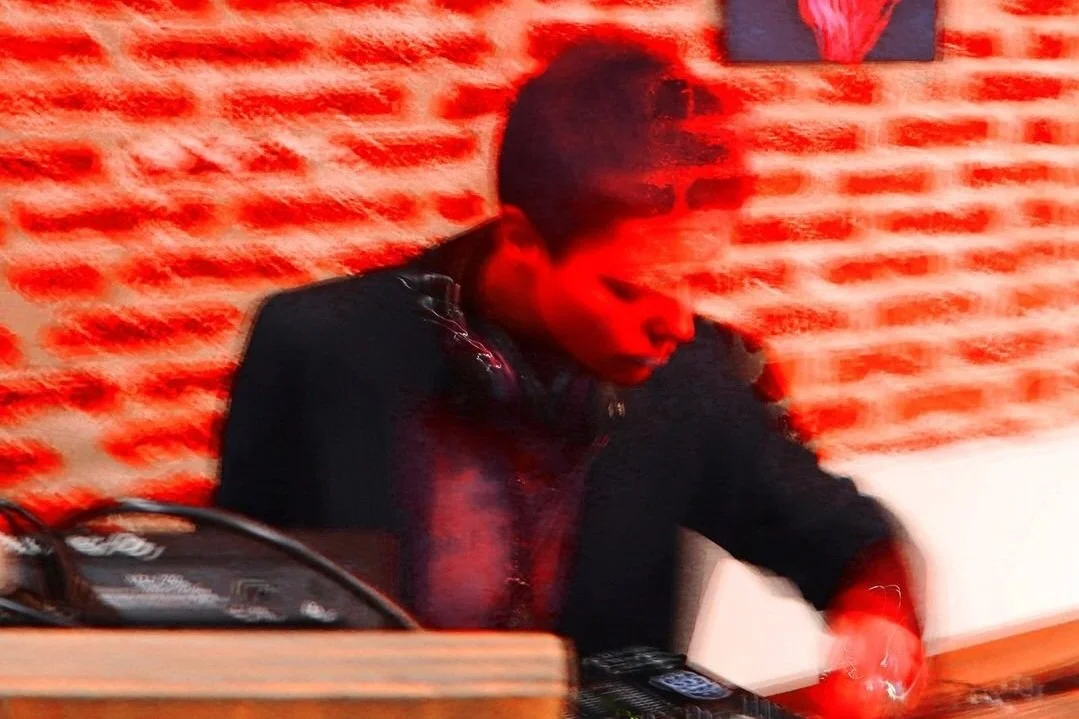
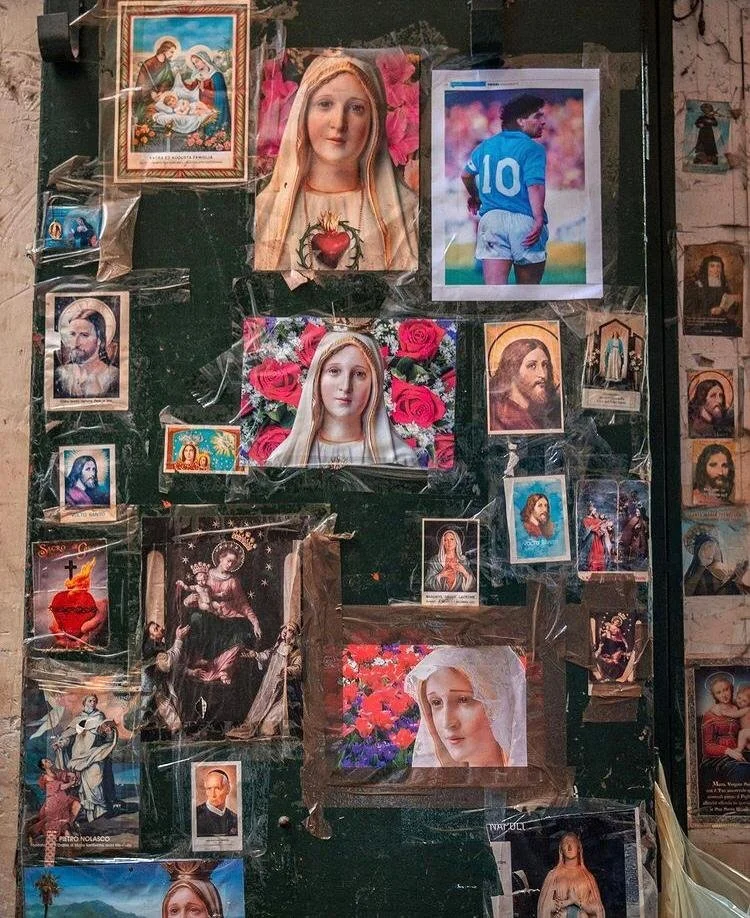
A winter journey through Milan’s art scene, where form confronts fragility. From Giovanni Gastel’s suspended elegance at Palazzo Citterio to FEUERSTÜHLE at Galleria Montegani, Mapplethorpe at Palazzo Reale, Austyn Weiner at Massimo De Carlo, and Triennale’s White Out, each exhibition reflects on preservation, transformation, and impermanence.
Explore Delphine Valli’s kaleidoscopic visions, Yuko Mohri’s kinetic installations, Leonora Carrington’s surreal dreamscapes, and Robert Rauschenberg’s radical 1960s works. From contemporary experiments to timeless icons, Milan’s galleries prove that art thrives in the in-between.
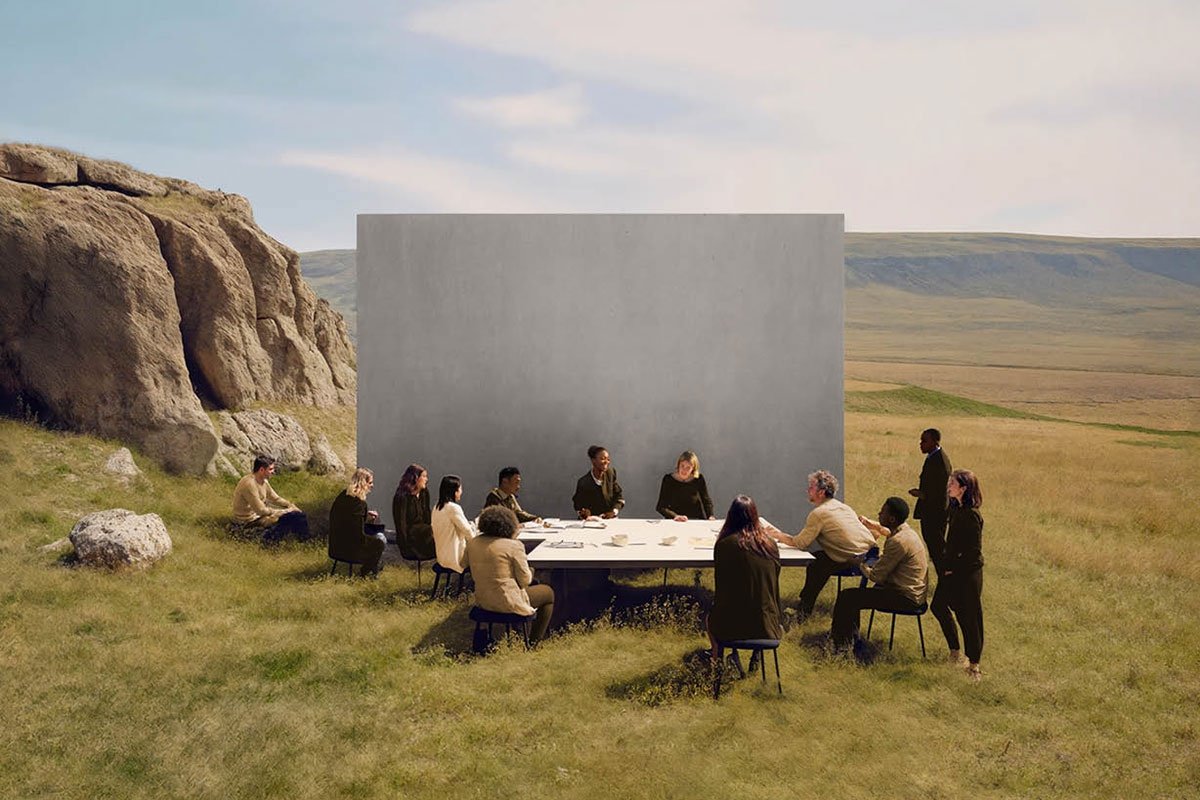
In this issue you’ll find a selection of special happenings of both Milano Art Week (1-6 April) and Milano Design Week (8-13 April), from new exhibition openings and one-off talks to performances and temporary installations that you can catch in old courtyards and repurposed industrial spaces.

Last week, B&A visited zaza’ Milano - a fresh artistic entity with a twin site in Naples that entered the Milanese art scene only two years ago - and had the chance to interview the multidisciplinary artist Analisa Teachworth on occasion of her first solo exhibition with the gallery. We talked beeswax, dreams and art world obstacles.
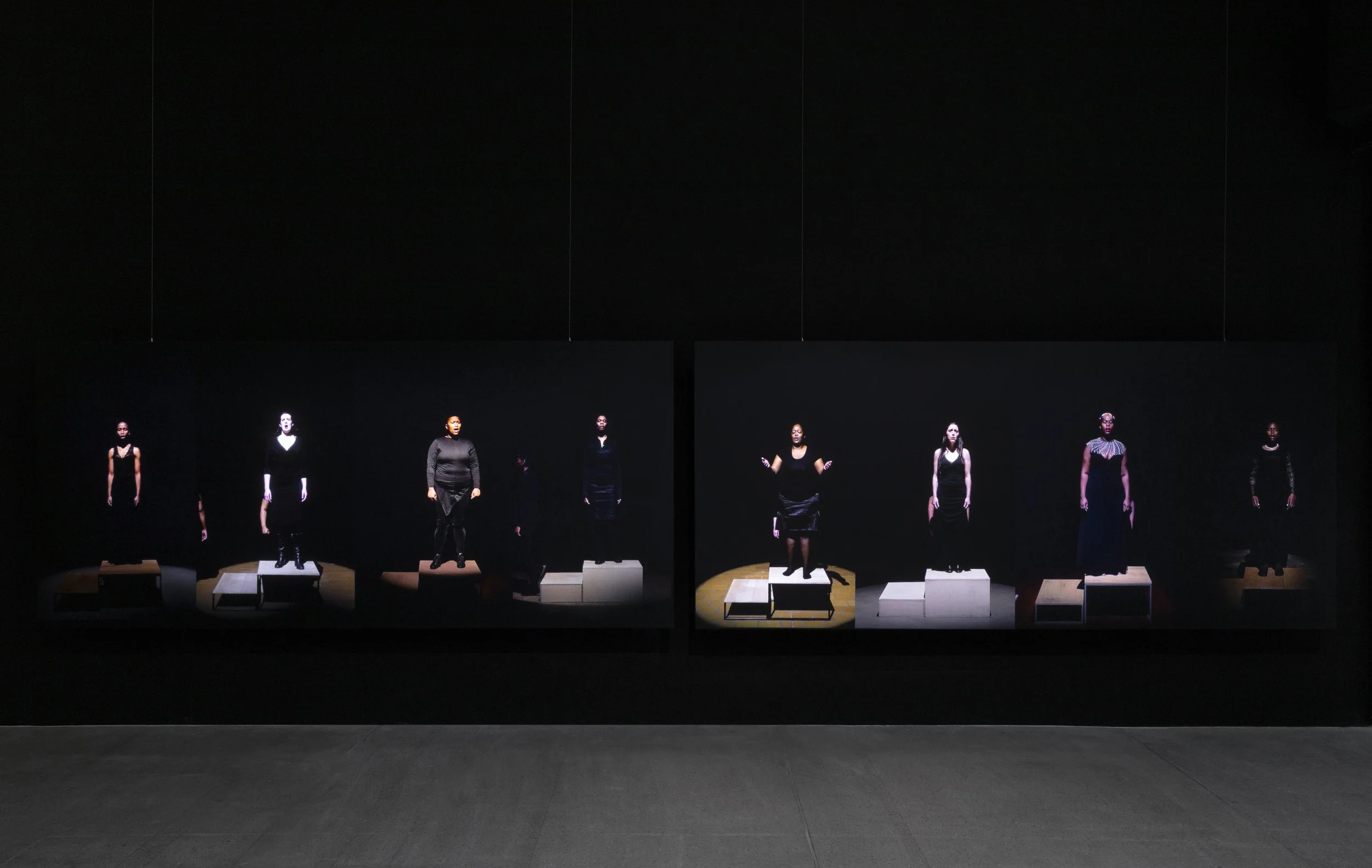
Amidst the hustle of exams, nourish your soul with a refreshing dose of art! Escape financial formulas and explore thought-provoking exhibitions by the incredible Adrian Piper and Gabrielle Goliath. Discover their narratives on identity, race, and female resilience. Let the April issue of Keeping Up with Milan's Art, curated by @Lisa.widmayer, guide you through the city's thriving art maze.

As usual, there are almost too many exhibitions to keep track of. In honour of women’s month, this issue is dedicated to the work of female-identifying artists. Join @flaviadalbrollo ’s art cruise through the mystical production of Chiara Camoni, Lucy Stein, and Chung Eun-Mo.

The February issue of KUWMA is out, offering a rejuvenating perspective on contemporary photography! From the dynamic new gallery space at 10 Corso Como featuring Roe Ethridge to the humorous Martin Parr exhibition at MUDEC, follow @lisa.widmayer ’s journey through Milan‘s art buzz as she explores the allure of contemporary photography for our generation. Join the conversation and share your thoughts with us!

Emanuele might be ending his academic journey in Berlin, but fear not, this column won’t disappear into the techno underground with him. Instead, it'll undergo a facelift, with not one, but two new voices: Flavia and Lisa. We’re here to keep you in the loop and offer the dynamic takes on the events of Milano’s art scene.

Even for seasoned art explorateurs, the Milanese scene is difficult to keep up with, not to mention for students. Keeping Up With Milano’s Art is Emanuele Rolando’s monthly column that catches and tames the beast, so you don’t have to.

We like to think looking is harmless. That to see is to understand. But what if the gaze does more than observe? What if it decides? This piece examines how two films: Rear Window and Get Out explore the gaze, how it frames and reduces the observed.

Routine becomes a constant rhythm through which the sublime unfolds. Perfect Days demonstrates the beauty of repetition, where toilet cleaning, cassette tapes, and the shadows of leaves reveal that perhaps inner peace isn’t found in novelty or anything profound, but rather in repetition. Does the mundane really hold the perfection we seek?

Christmas is over, and so are the leftovers from our New Year’s Eve feast. But the emotional scars of enduring distant relatives? Those linger. Whether it’s that aunt grilling you about your master’s plans or Dad’s cousin not shutting up about Trump’s return to the White House, we all have that one family member who turns festive cheer into festive dread. As we bid farewell to the holiday season—and thankfully, to some of those relatives—I can’t help but reflect on an unspoken truth: the painfully familiar awkwardness of large family gatherings. Call this a relatable take on a universal experience or an ode to Emma Seligman’s debut movie, Shiva Baby. Either way, here’s to one and only Rachel Sennott and surviving it all.
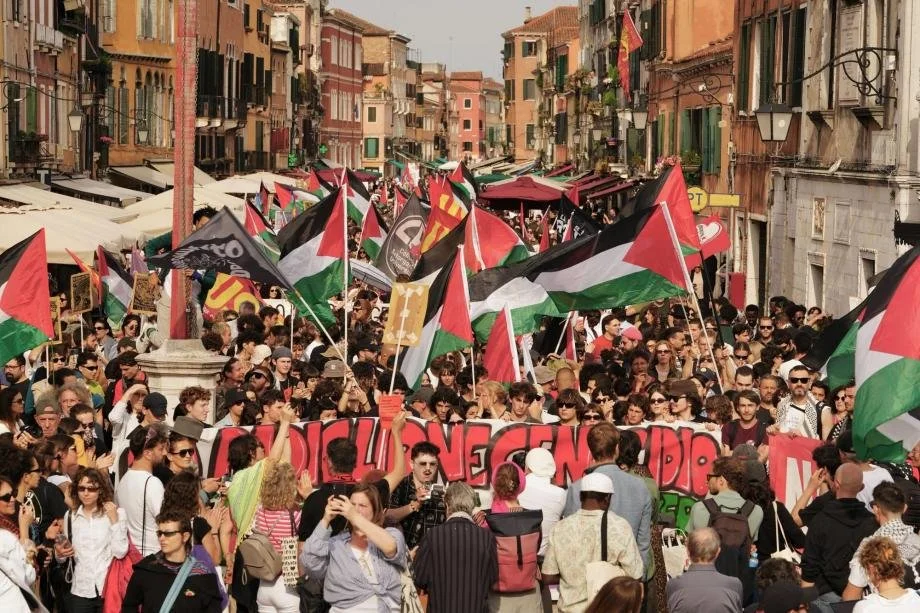
The issue isn't visibility itself; it's the fine line between admiration and simplification. This piece shifts the focus from Brazil's postcard image to the students of Complexo da Maré. Between tourism, branding, and global fascination, another story struggles to circulate: one about inequality, education, and opportunity for a new generation.