
Indifference, How Blissfully Sweet
1970s. New York City is pulsing with nightlife. But behind closed doors, a plague is spreading.
The front pages are filled with Reagan’s America; meanwhile, people die, and immune systems collapse. Even after innumerable disappearances, the political bubble still treats it as a joke — not a crisis, not a priority, just an uncomfortable subject people avoid with nervous laughter and tense changes of topic.
It wasn’t a passive oversight. It was a systemic abandonment of people deemed disposable.
Some died quietly, others fought loudly, but all deserved better. Yet their legacy still breathes through the stories we choose to remember.
Slowly, painfully, survivors began to speak; activists refused to let grief be their final word. They were the heartbeat of a city that refused to stop dancing, even as the music faded.
The artists we speak of today were not polite nor “respectable”, because, as Wojnarowicz said, “there is no expression in that other than silence”.
Their art demanded social awareness in a time when politicians couldn’t waste a single word on one of the biggest health crises of modern history, not only for its human toll, but for the social stigma, political negligence, and cultural rupture it exposed.
In those years, being homosexual meant bearing death; declaring oneself different meant being marked forever. In that context, art became not just fervour, but obsession, sacrifice, and survival.
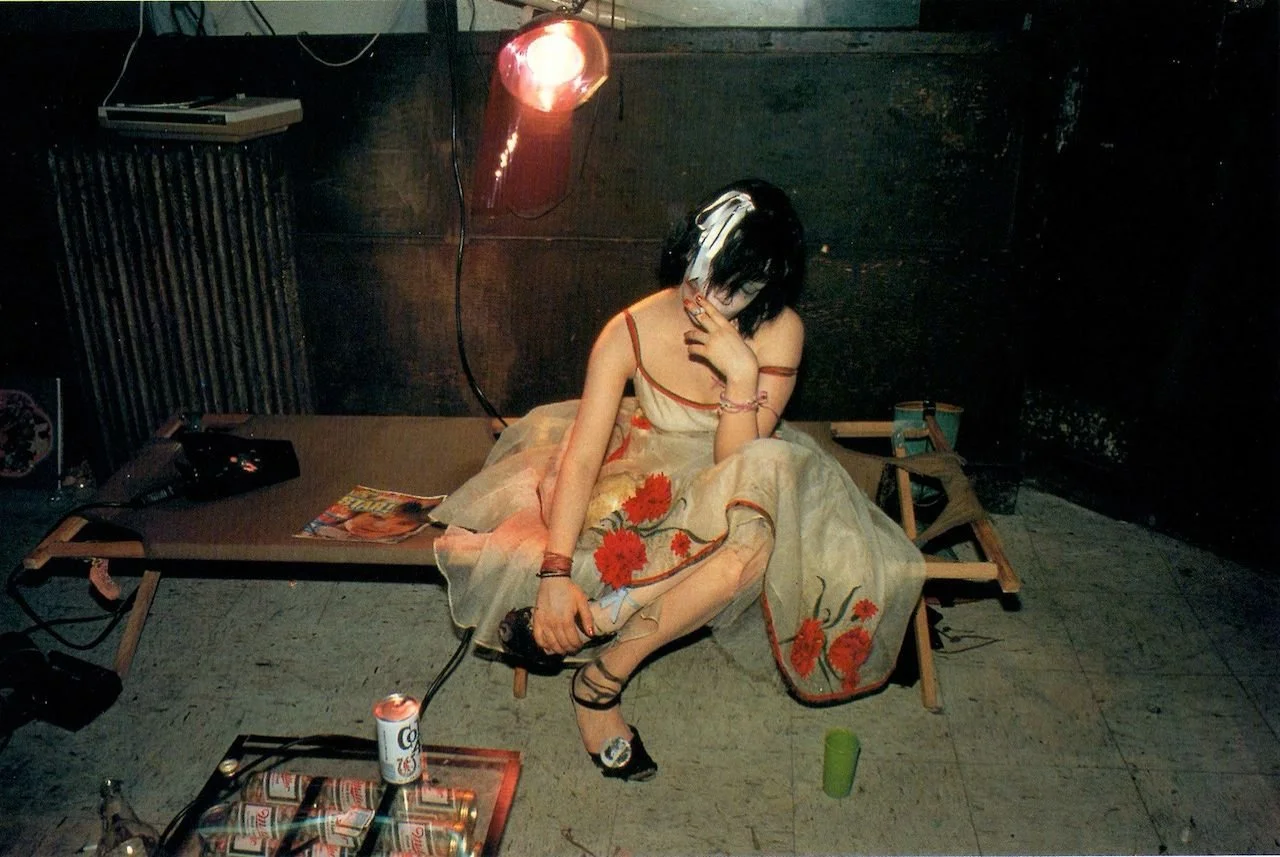
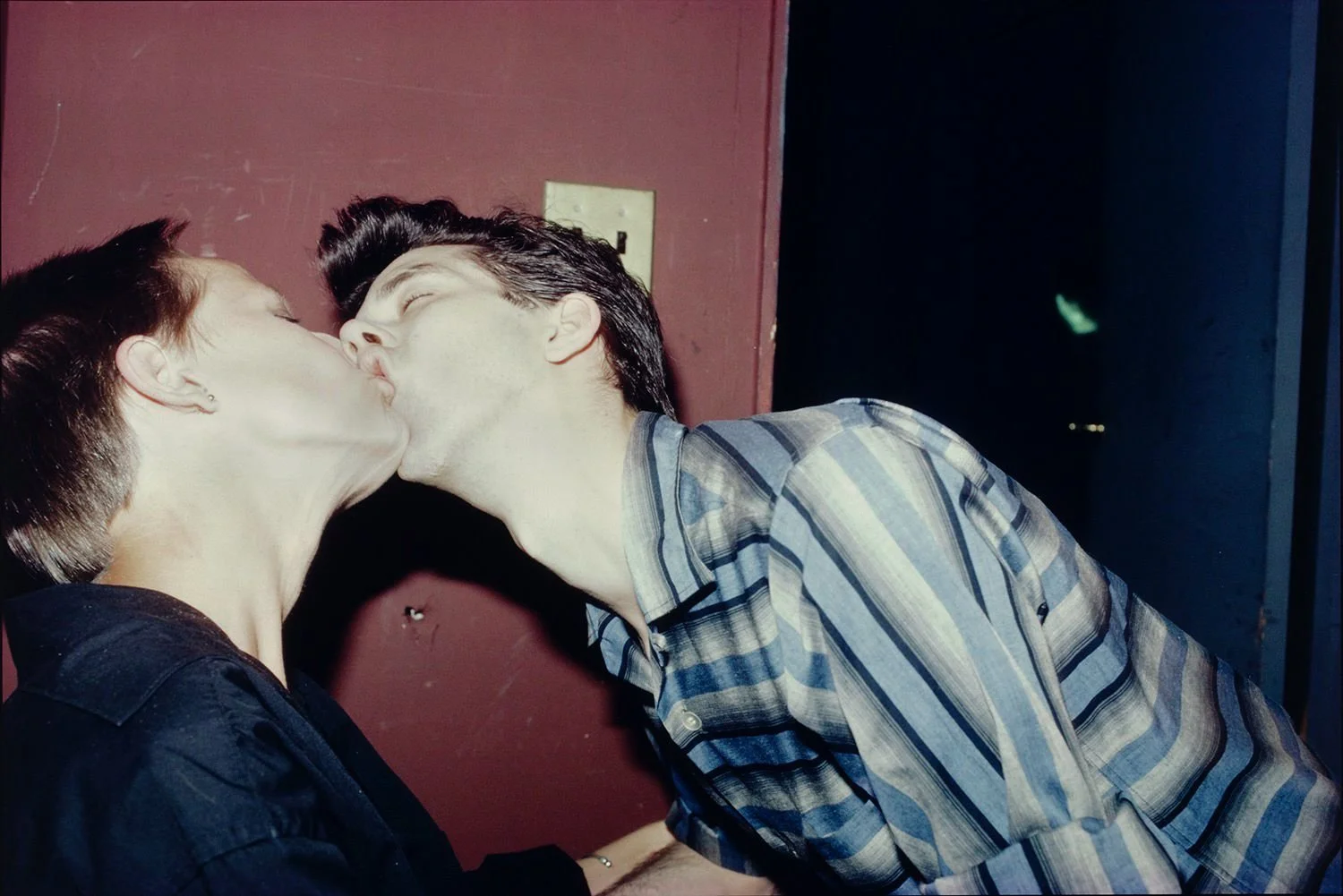
The generation of artists emerging in the second half of the 20th century lived between protest and utopia. They used the body as a means of knowledge, as a bridge to intimacy, identity, and freedom.
To talk about AIDS and death was a true political act, and among the first to do so — with gentle intensity — was Peter Hujar.
Hujar, best known for his black-and-white portraits of New York’s creative underground, rewrote history through images of those who defied social norms, portraits that restored dignity and courage to those living with a death sentence above their heads.
He spent hours with his subjects. Through the way he printed and toned his photographs, he conveyed emotional depth. His portraits carry an intimacy that speaks to truly knowing someone, not merely photographing them.
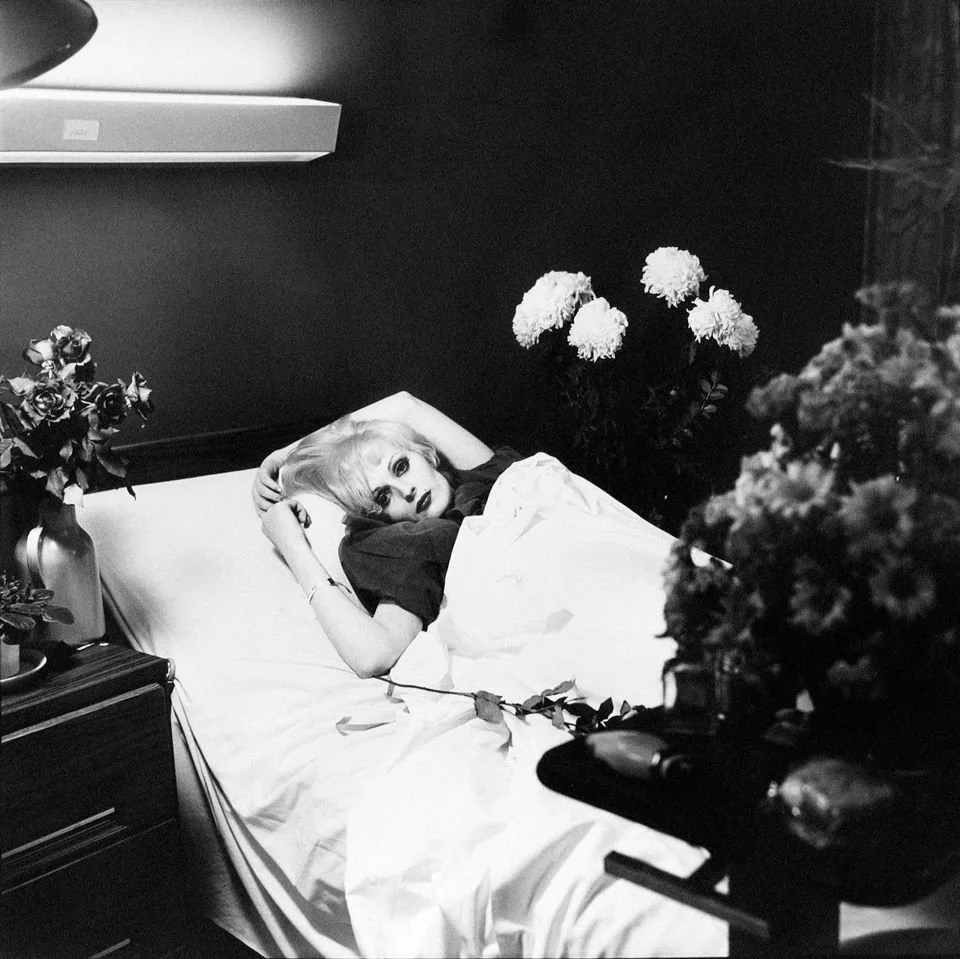
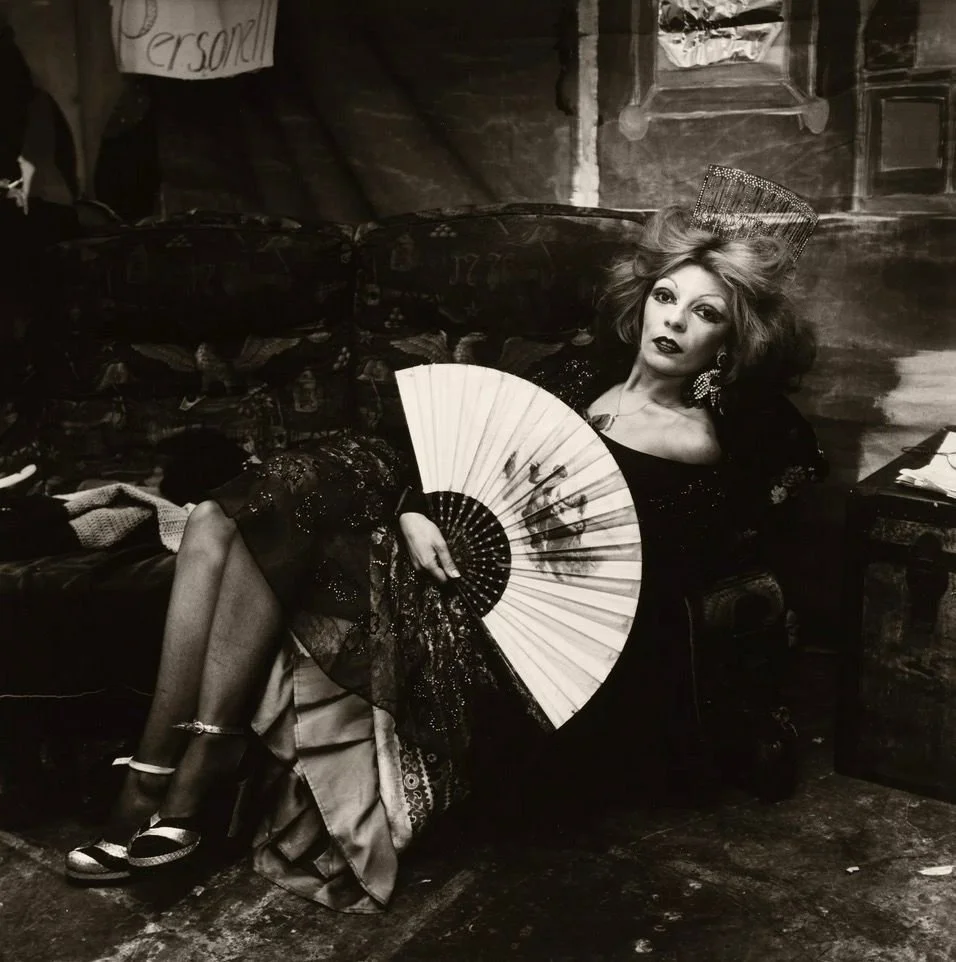
In Hujar’s works, external decay and internal agony coexist — mortality as beauty, suffering as truth.
“I make uncomplicated, direct photographs of complicated and difficult subjects… I photograph those who push themselves to any extreme, and people who cling to the freedom to be themselves.”
— Peter Hujar, quoted in Peter Hujar: Speed of Life, ed. Joel Smith (Aperture / Fundación MAPFRE, 2017).
This is the art that arose from the AIDS epidemic: adamantly political, furious, extraordinary.
When Hujar died in 1987, his lover David Wojnarowicz discovered he too was HIV-positive. The rage and sense of powerlessness he felt triggered a dramatic turn in his art.
For him, there was no way to separate politics from AIDS, and so, he wholeheartedly embraced the fight.
He knew perfectly how society viewed him: a dead man walking. And he played along.
In his artwork Face in Dirt, the artist buries himself in the ground with only his face resurfacing. Eyes closed, as if already dead, almost as the soil had tried to swallow him before his time. There is no background, no context: just matter and mortality.
His fate is clear, yet Wojnarowicz narrates his own disappearance. The quiet tenderness of the scene creates a shared space, inhabited by artist, viewer, and an unignorable grief. He couldn’t but accept the end. Ashes to ashes, dust to dust.
But Wojnarowicz didn’t only stare at his demise; he raised an unneglectable voice, denouncing the lack of cures, empathy, and basic dignity given to those carrying the disease. In his unfinished film Fire in My Belly, a crucifix is covered by red ants — both personal confession and political outcry. The imagery of decay and desecration is directed at the Church, and its shameful silence.
Inside the political bubble, AIDS was still treated as a taboo. Not an emergency nor a prime concern.
Reagan didn’t publicly mention AIDS until 1985, by which point thousands had died. Hospitals overflowed. Insurance companies dropped people from their policies. Landlords evicted tenants. Funeral homes rejected bodies. Families abandoned sons and daughters. The media refused to speak its name, fearing it would give the epidemic visibility.
By 1987, too many friends had been buried. Too many lovers had disappeared without a gravestone.
The grief was heavy but the silence was heavier.
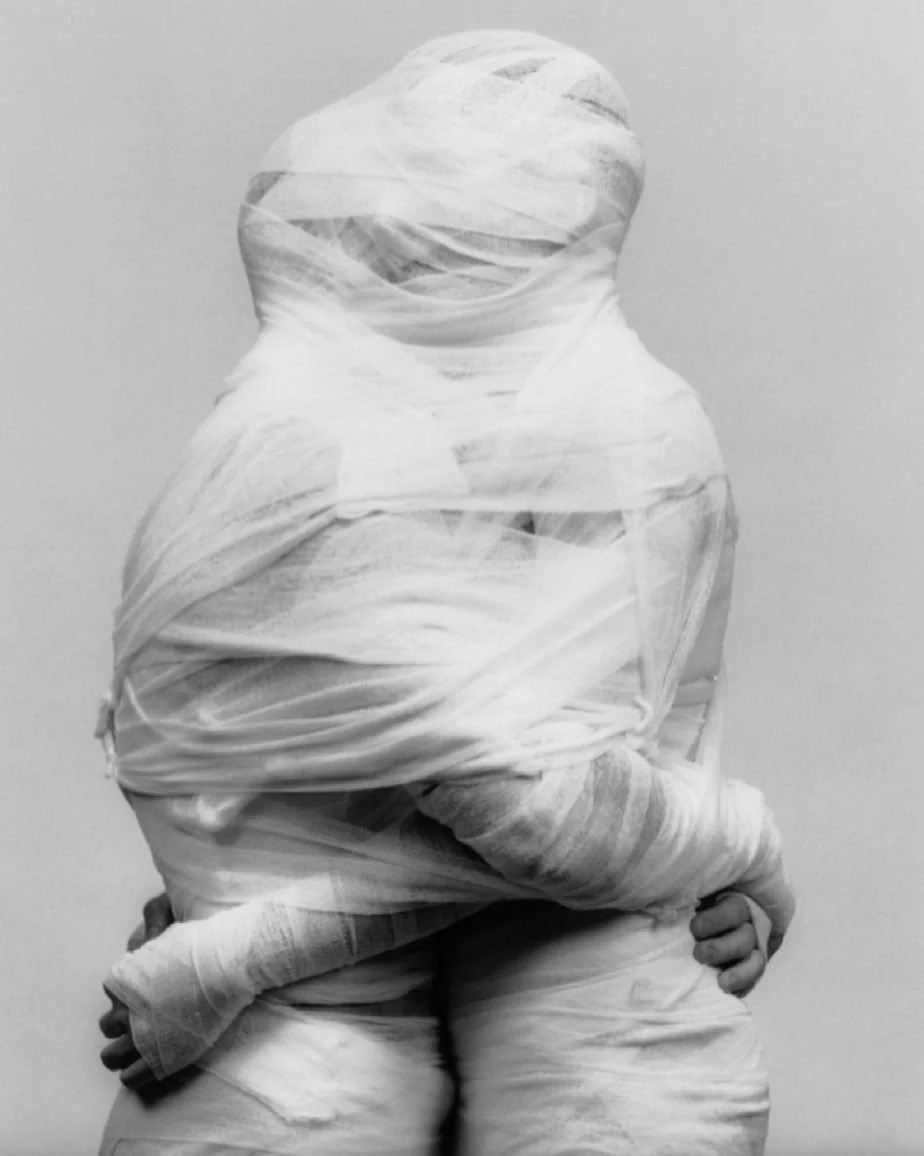
White Gauze, Robert Mapplethorpe
Wojnarowicz’s work is not about victimhood, it’s about endurance through fury. His visual language oscillates between bereavement and transcendence; suffering becomes the purest form of truth-telling.
The HIV virus carved death marks on the freest, least bounded lives. We owe those who reacted the truth, not a sanitised version of history, edited for comfort. Their remembrance does not happen once a year; it happens every time someone dares to speak, or says “I love you” without fear.
The echoes of this fight remain in every new infection, in the political and medical mistrust carried by minorities, and in the trauma that lingers in those who survived when everyone else did not.
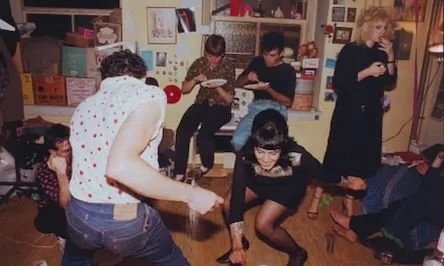
Detail from Goldin’s Twisting At My Birthday Party, New York City, 1980. Photograph: Nan Goldin, courtesy of National Gallery of Australia