MASCULINITY IN DISGUISE
A few years ago, one of my guy friends decided to start wearing eyeliner and painting his nails on a regular basis. Although I initially supported his experimentations, which I regarded as an attempt at deconstructing his toxic masculinity, I have to say that looking back, I feel awkward about it. The canary in the coal mine was when it came to my attention that on several occasions he had engaged in inappropriate behavior with girls at house parties, while drunk. He and I quickly drifted apart after that. It’s like his feigned vulnerability was just a performance. The toxic masculinity had remained there all along, beneath the sheen and varnish.
Nowadays, there is an ever growing pattern of hetero men embracing a dress code which can be perceived as queer-coded. For instance, look at Bad Bunny. With his recent looks, he is lauded as a standard-bearer of deconstructed masculinity. And honestly, more often than not, I am pleasantly surprised by his outfits, which are a sight for sore eyes amidst a tide of bland tuxedos.
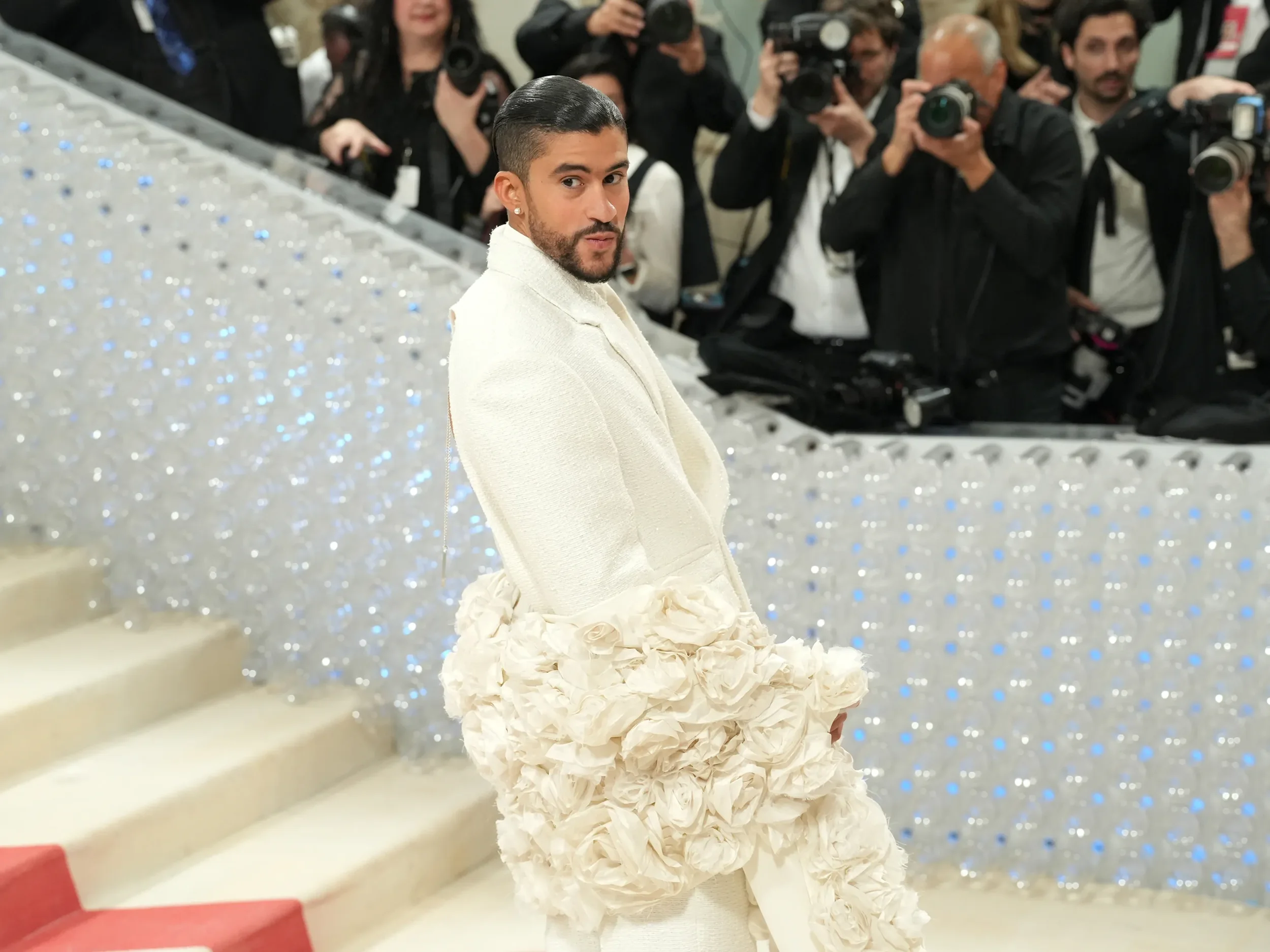
Bad Bunny at the Met Gala 2023
I want to believe that such fashion statements are driven by genuine taste, by true beliefs, that they bring minorities’ voices forward. But can we really trust their sincerity of endorsing the minorities’ ways of presenting themselves? Because what if it were performative, like a disguise to be disposed off when it becomes too heavy to bear, when you seek the legitimacy and validation from a different kind of audience? Is it just a wolf in sheep’s clothing strategy, to legitimize insidiously what clothing and the way one presents oneself cannot wipe off just like that? Patriarchy is indeed a deeply rooted structure: cis hetero men still remain at the top of the food chain, and women and queer communities still remain oppressed and exploited.
Scholars (Martin, Studer, Kamp, and others) have highlighted the trend, over the past few decades, of the entertainment and advertising industries drawing inspiration from the gay community’s dress code and lifestyle. This trend is twofold.
First, men’s bodies are portrayed in a more sensual and sexualized way. Think for instance of Jeremy Allen White’s performance in the 2024 Calvin Klein ad. Captivating indeed. But no, sorry to disappoint, it is not an accurate representation of the female gaze that we longed for, but rather the appropriation of the gay gaze, which had been thriving in media destined to the gay community. That said, this is nonetheless a step forward. Whereas only women could be objects of desire until the mid-twentieth century, the rigidity of men posed as observers is nowadays considered archaic. Being sensual is cool.
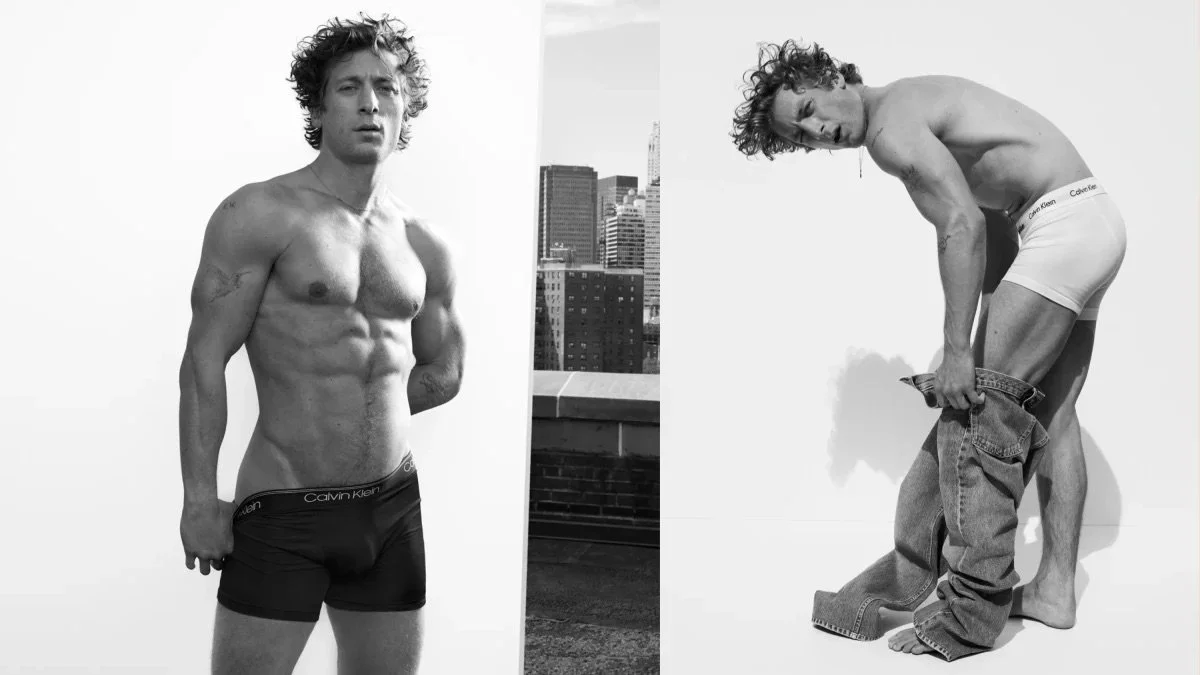
Jeremy Allen White for Calvin Klein. Credits : Mert Alas / Calvin Klein (2024)
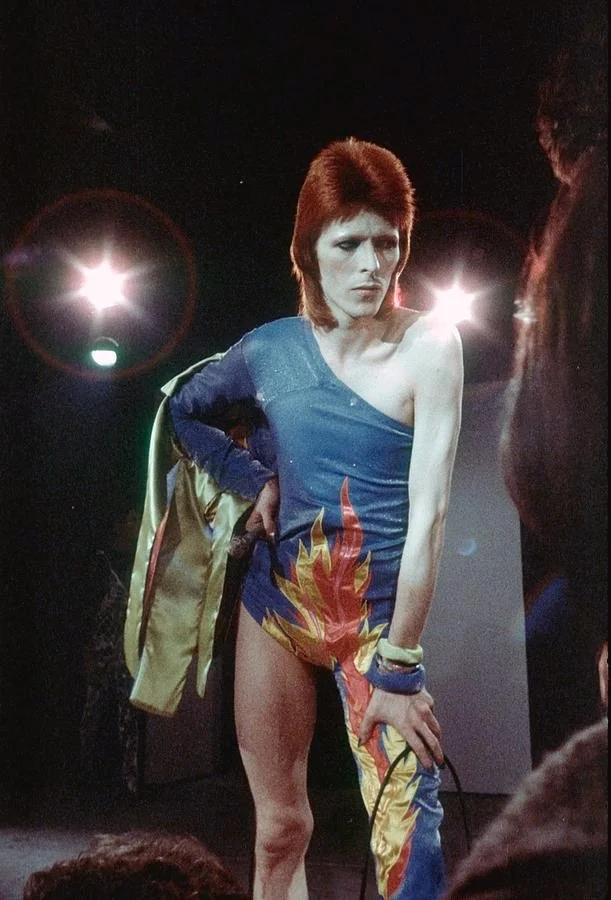
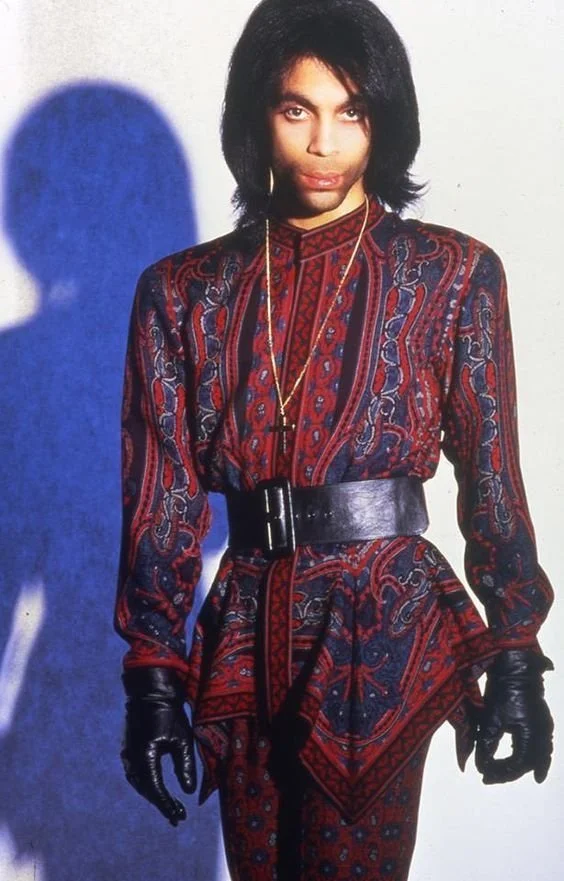
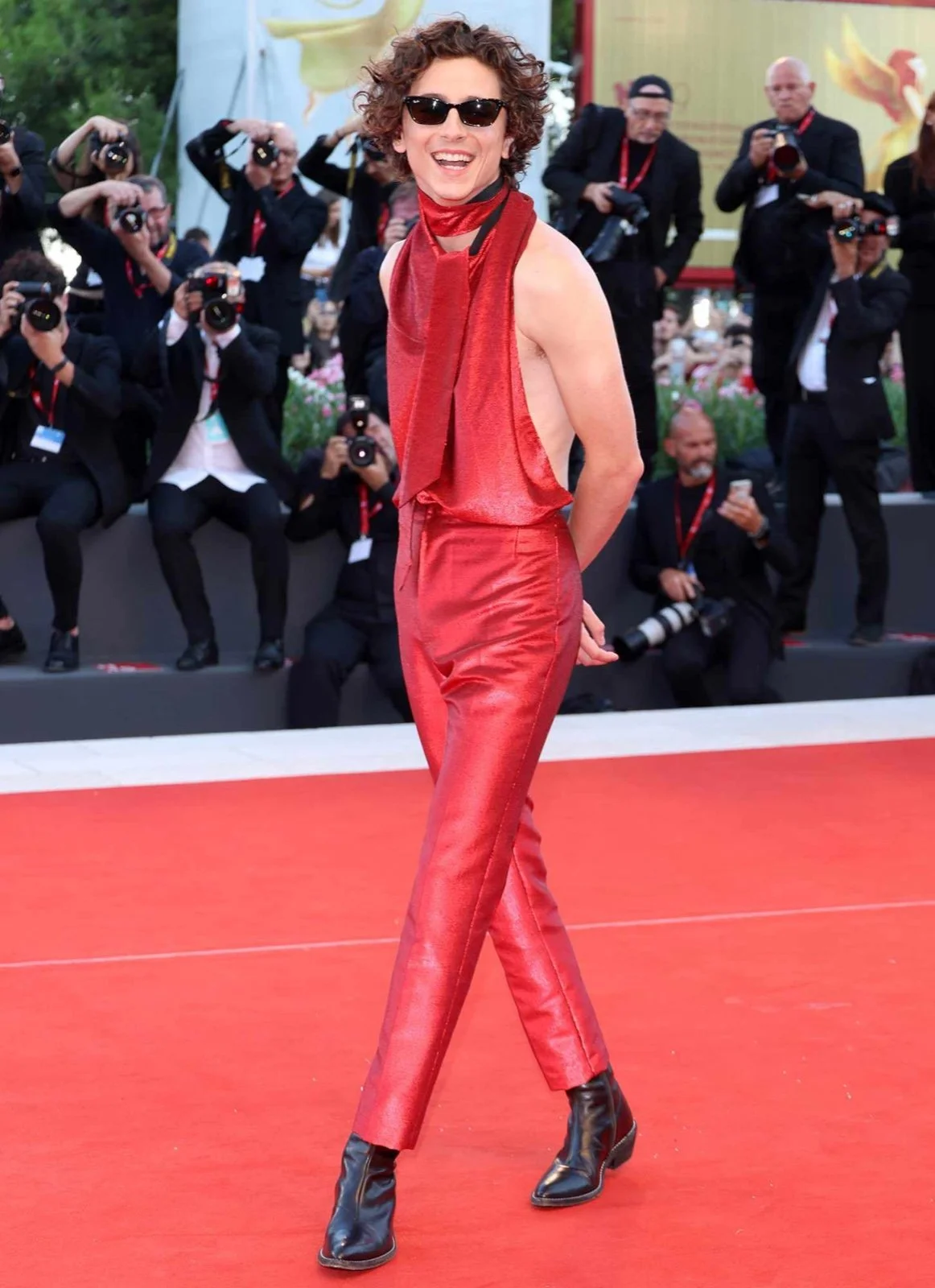
Second, there is the emergence of the «Straight Queer». This male archetype blurs the distinction between the straight and the gay man. Take for example David Bowie or Prince, and until quite recently men like Thimotée Chalamet, with a frail and feminine physique, at odds with the usual conception of masculinity. Despite some unavoidable reactionary backlash, these men were not regarded as less manly because of their way of presenting themselves. In fact, their confidence in making this choice actually allowed them to express their virility.
But why is there a masculine ideal in the first place? According to sociologist Raewyn Connell, a specialist in gender studies, the domination of men over women needs to be justified by a system of values, a narrative. In our Western capitalist and postcolonial societies, it primary values white middle- and upper- class cisgender heterosexual men. All men should strive to reach this dominant position, this hegemonic masculinity, because it is what legitimizes the privileges dispensed by patriarchy. But not all are able to live up to this social ideal. Some men are dominated within the dominant group. This hierarchy among men is what actually allows hegemonic masculinity to maintain itself. Traditionally, this means excluding other masculine archetypes: lower class men, men of color and most importantly, gay men.
The rules of the game need to be clear and understandable. And gay men, at least in our Western societies, are associated with femininity: they undermine the symbolic boundary that sets real men apart, a boundary that allows them to be oppress and benefit from it. Because they are a threat to the patriarchal order, they are despised, rejected, sometimes with violence. The subordinate masculinity of gay men is for instance clearly illustrated by Jacob Elordi’s portrayal of Nate’s internal struggle in Euphoria. Although embodying the paragon of hegemonic masculinity, Nate harbors a repressed desire and obsession for Jules, which calls into question his heterosexuality, the very foundation of his masculinity. In order to reassert his dominance, he resorts to violent rejection and discrimination of anything remotely gay.
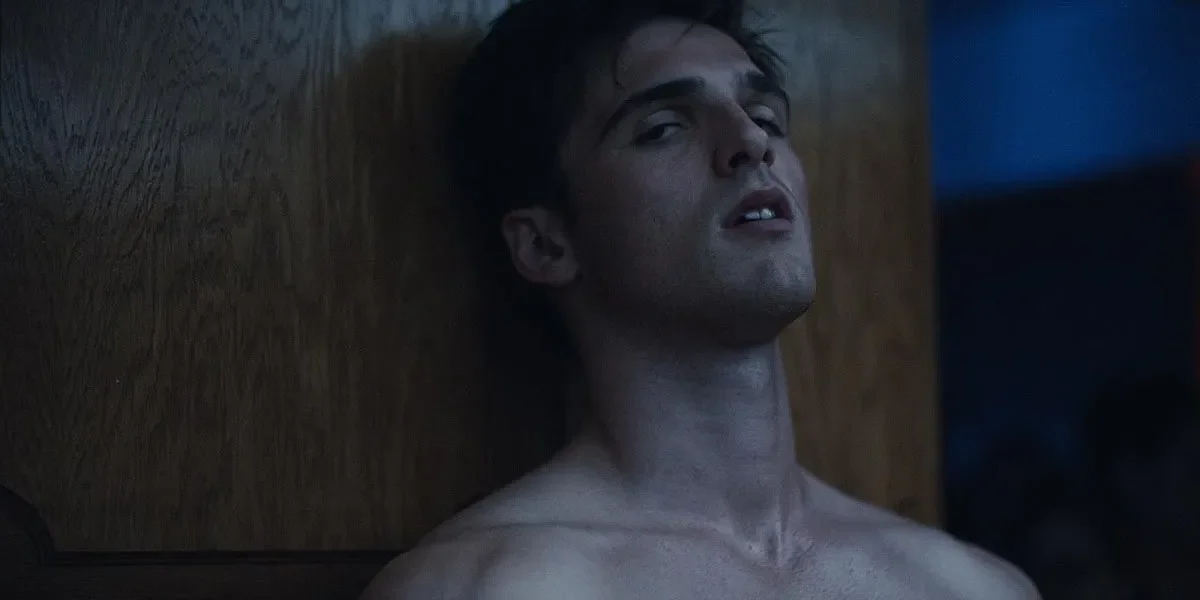
Nate (Jacob Elordi) in Euphoria
However let us be reminded that this narrative is merely a tool intended to preserve hegemonic masculinity. It will adapt to different contexts, meaning there is no point in getting attached to it. It is after all a small price to pay to remain dominant. In eras shaped by wars and conquests, this narrative of hyper-masculinity was relevant. But it is no longer suited to our modern and rationalized society. According to Demetrakis Demetriou, the feminist and gay liberation movements also played their part in this shift in narrative. Male domination could not be justified in the same way anymore.
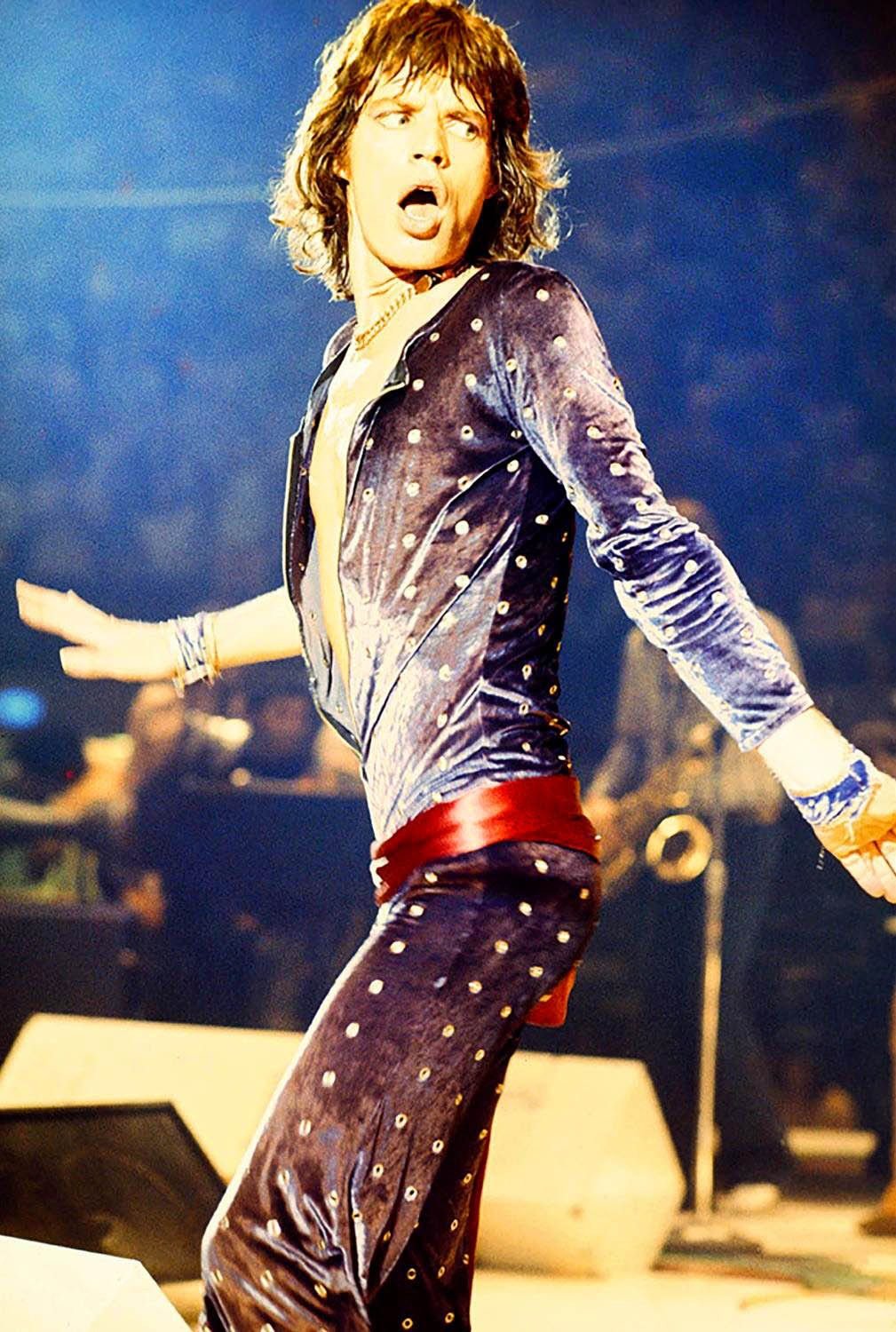
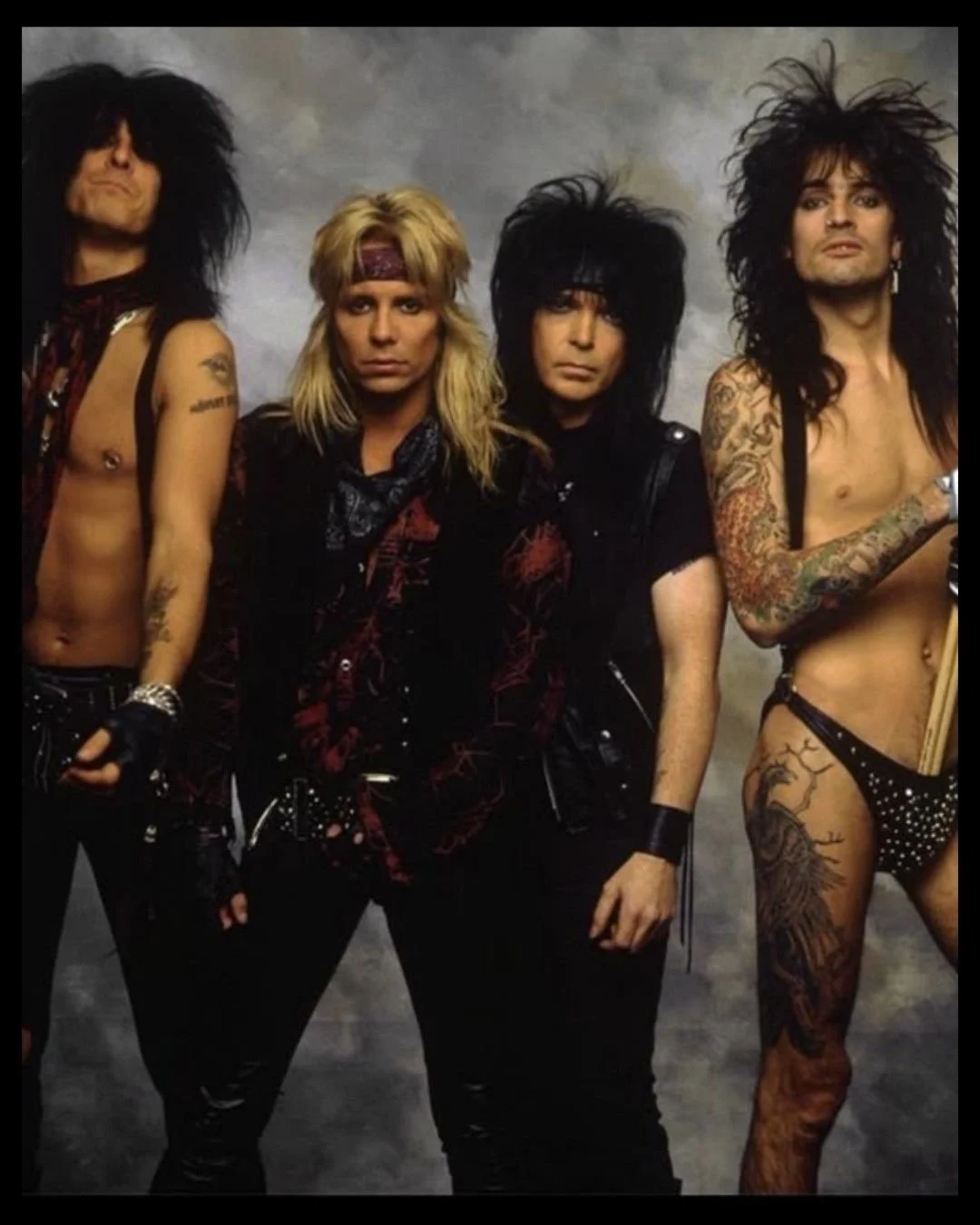
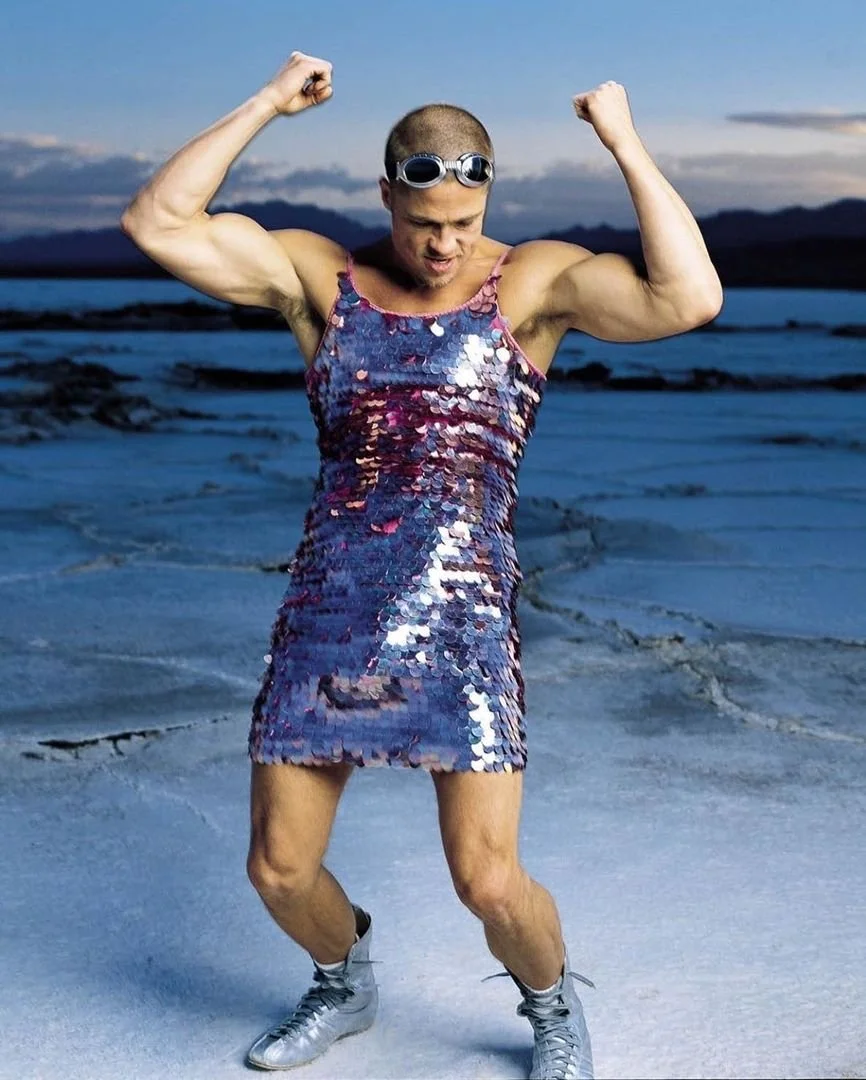
As media and creation originally destined to the newly emancipated women and gay community emerged, they gradually became mainstream and capitalism seized upon them. The capitalist narrative on which the patriarchy relied upon to legitimize itself ceased rejecting gayness outright. Survival meant adaptation, so men started embracing the queer dress code in order to come across as less threatening, gentler, and more egalitarian. In the 1970s, artists like Mick Jagger wore high heels and velvet bodysuits with fringe. In the 1980s we saw glam metal with tight leopard-print leotards, kohl on their eyes, long shaggy hair, glitter everywhere… In the 1990s, metrosexual men took care of their appearance and outfits, and were branded as effeminate for it. Think also of Brad Pitt’s 1999 photoshoot by Mark Seliger for Rolling Stones magazine : the sex symbol of his time, sporting a well-defined physique… as well as dresses with sequins.