Who Holds The Frame?
It was 1492 when Christopher Columbus “discovered” America, a wonderful and miraculous event to be celebrated. And 500 years later, in 1992, it was exactly what museums across the US were doing. Of course, the less pleasing aspects were conveniently avoided: after all, the word used was discovery, not colonialism.
It’s only human to overlook the tragic and concentrate on the good, right? Perhaps. But what this reveals is something more structural. The complexity of museums lies in the perception we have of them: we are raised to think of them as neutral educational spaces, rather than political institutions with the power to influence and, at times, permanently alter collective memory.
This is precisely the belief Coco Fusco and Guillermo Gómez-Peña intended to dismantle.
With the performance The Couple in the Cage: Two Undiscovered Amerindians Visit the West, the artists presented themselves as supposedly “undiscovered Amerindians” from a fictional island called Guatinau. They lived inside a cage installed in museums and public institutions across the US and Europe.
They constructed a carefully staged version of “primitiveness”: speaking an invented language, interacting with objects that blurred the line between the stereotypically tribal and the unmistakably modern, and performing magic and voodoo.
Visitors were invited to watch, take photos and videos, and even question them.
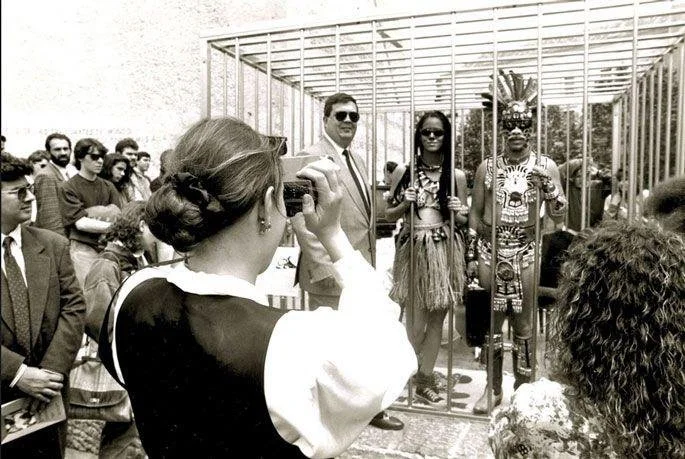
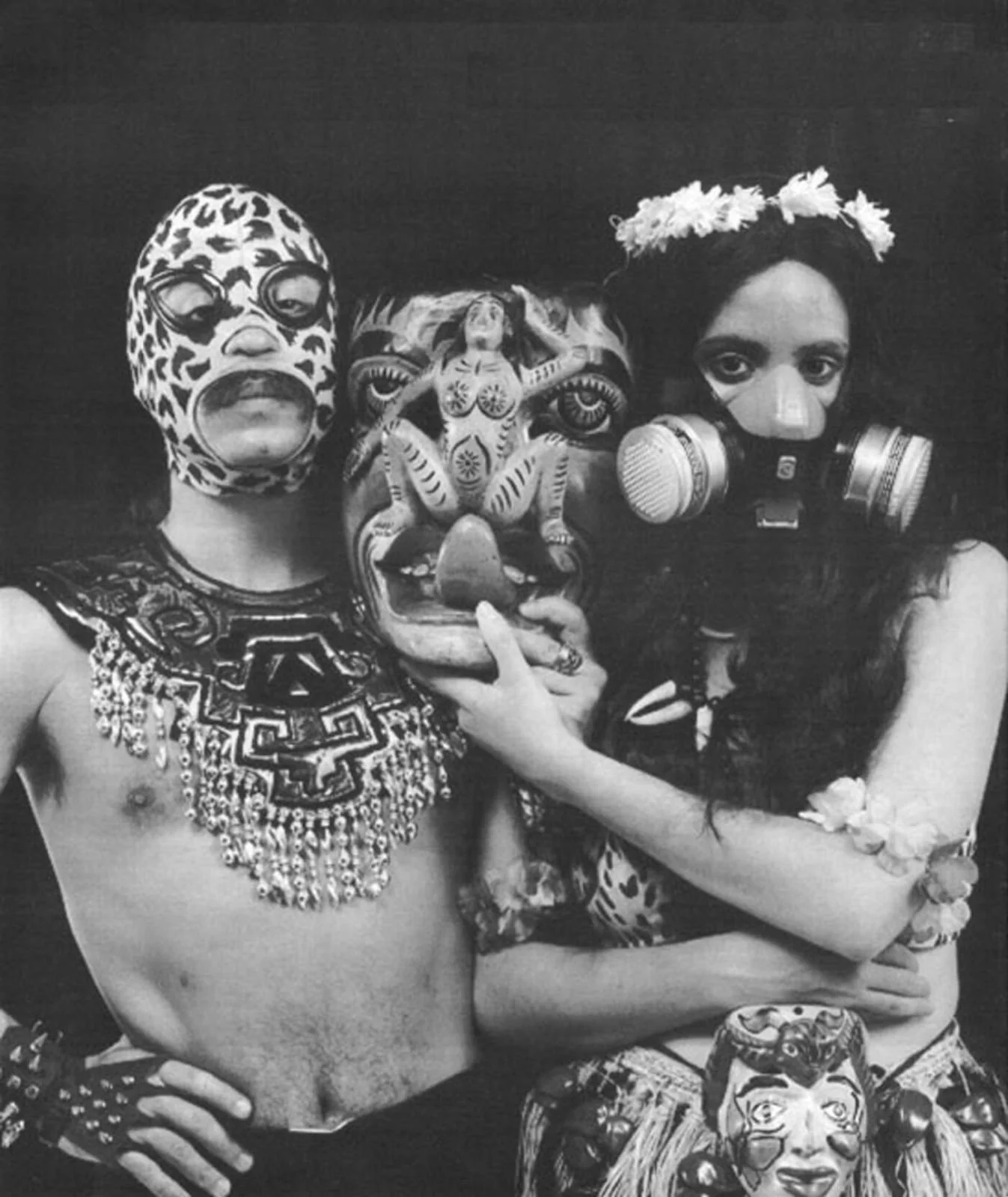
Today, this may seem exaggerated and obviously absurd. Yet at the time, many viewers believed the spectacle to be real.
The aim of the performance was not to deceive, but to expose the extent of our trust in institutional authority. We are simply not accustomed to doubting museums. And so, their labels, tone, and institutional legitimacy are able to transform fiction into plausible truth.
Stripped of that context, the scene would have seemed grotesque or ridiculous; within it, however, it became credible. This reaction laid bare a crucial mechanism: museums do not simply present knowledge, they produce it.
The audience, for its part, rather than questioning the ethics or the authenticity of what they were witnessing, participated willingly in the spectacle. Many were amused by this portrait of the same “uncivilised” societies we are taught to observe from a distance.
In this sense, the work did not simply indict museums as institutions, but also the public that grants them authority. It becomes clear that neutrality is not a passive condition but an active construction that depends on collective belief.
Some visitors even claimed to recognise the island the indigenous people supposedly came from and could point it out on a map. In reality, Guatinau was entirely fictional, invented by the artists themselves. But this detail raises a more unsettling question: how willing are we to believe when belief is framed as knowledge?
Ultimately, the idea of neutrality is just that: an idea. Something that, in practice, remains unattainable.
Artworks do not speak for themselves and therefore depend on the frameworks through which they are presented. We are led to think of institutions as unbiased places, but very often, their interpretations are not as impartial as we would like to believe.
And so what remains is not simply the art itself, but the responsibility of how it is framed, and by whom.
There is something about a museum that asks you to trust it. You walk through its doors and accept, almost without thinking, that what hangs on the walls has been placed there by someone who knows, someone with the authority to select, to contextualize, to illuminate. The institution frames the object, and in doing so, frames the story. We rarely ask who built the frame.
Right now, however, that question is being asked everywhere at once. And it is not comfortable.
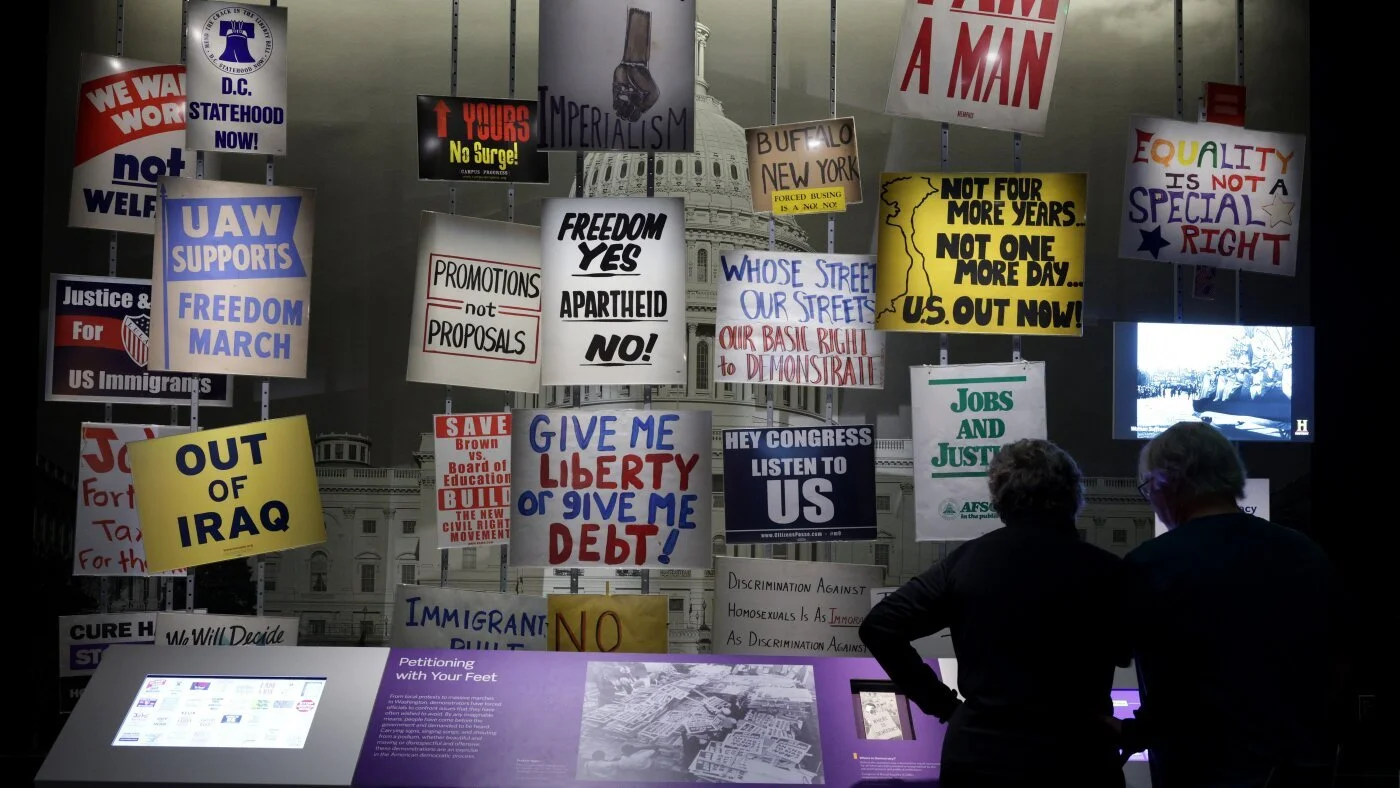
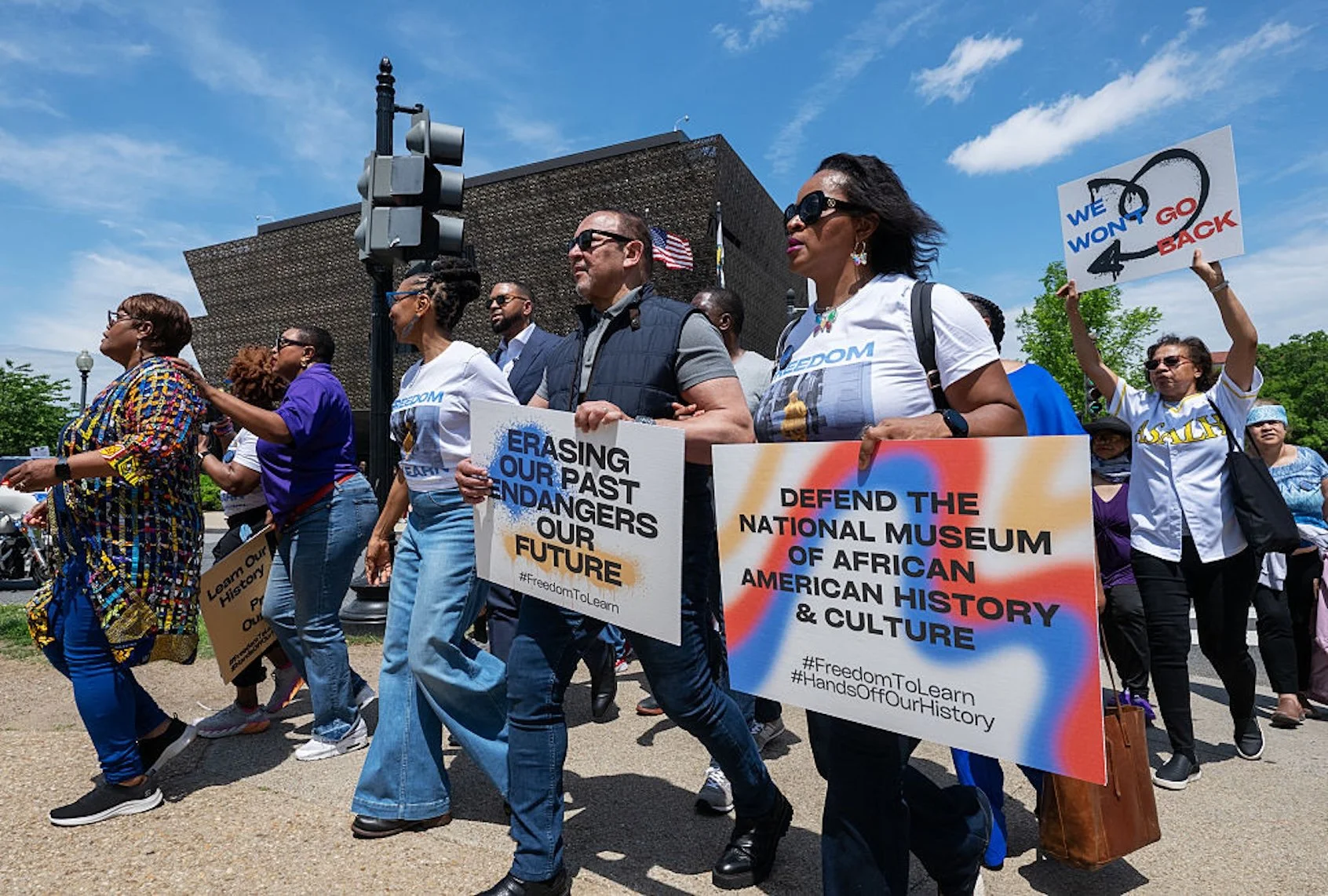
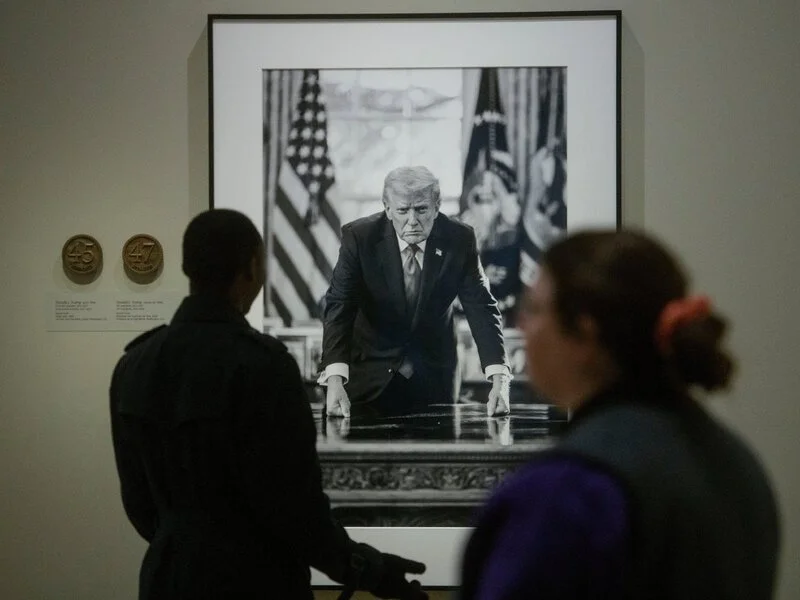
Since returning to power in January 2025, the Trump administration has waged a deliberate and calculated assault on the institutions that hold the country's memory. A campaign —backed by executive authority — to determine which histories are permitted to exist in public space, and which must be corrected back into silence.
The Smithsonian became one of its most visible targets. Through executive orders dressed in the language of patriotism, and institutional reviews framed as a return to "sanity," museums were commanded to remove what the administration called "divisive" ideology. The word “divisive” here meant inconvenient. It meant: any history that does not flatter the nation’s image of itself. The histories of enslaved people, of Indigenous nations, of communities that were not pushed to the margins of official memory by accident, but by law and violence. Those histories were told, finally, after decades of effort, inside some of the most prestigious institutions in the world. And now they were being asked to correct themselves.
“Correct,” as if the problem were a factual error. As if slavery had been misinterpreted. As if the institutions had gotten something wrong, and the administration, who is currently dismantling protections for the descendants of the people those exhibitions described, was the right authority to set the record straight.
This is not overreach born of ignorance. This is the exercise of narrative power by people who understand exactly what narrative power is, and who have decided, to openly use it. It is precisely the logic that Coco Fusco has spent thirty years trying to make visible.
When she and Guillermo Gómez-Peña stepped into a cage in 1992, they did not invent the colonial gaze, they reflected it right back at us. They showed how easily institutions absorb the body of the Other, how display becomes spectacle, how spectatorship becomes participation. The violence was not singular. It was structural. It lived in the frame itself.
The museum did not have to be cruel to be complicit. It only had to frame.
And then there is Venice.
The 61st Venice Biennale opened on May 10th, and the word that comes to mind is not “celebration.” The main exhibition, curated by the late Koyo Kouoh, who died before she could see it installed, is titled Minor Keys.
Minor Keys. The same language we have been working with all semester. The same frame through which we’ve been trying to think about minor voices, peripheral positions, whose register is considered legitimate and whose is not. And here it is, at the center of what is supposed to be the world’s most prestigious international art event, surrounded by chaos, resignations, and the question of whether the institution itself can still be trusted to do what it claims to do.
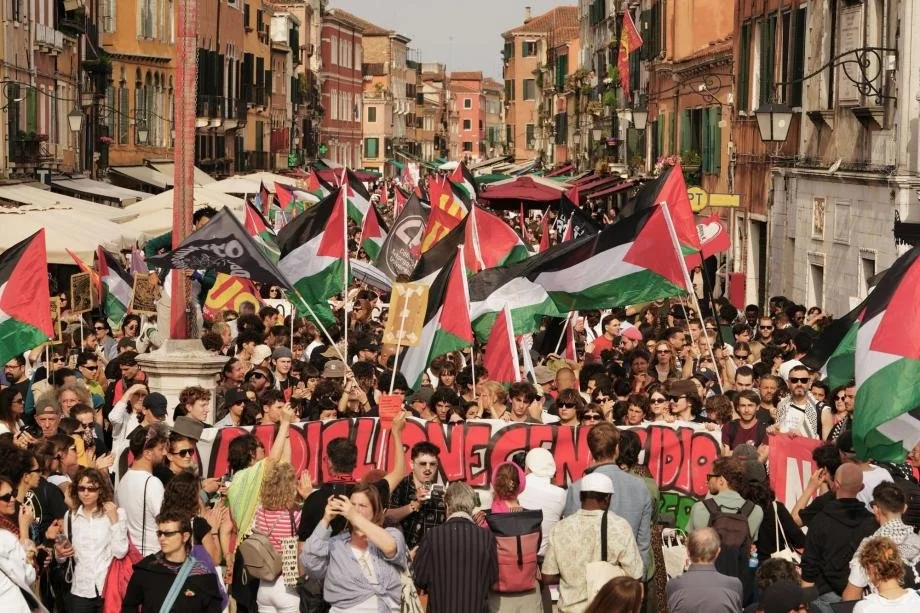
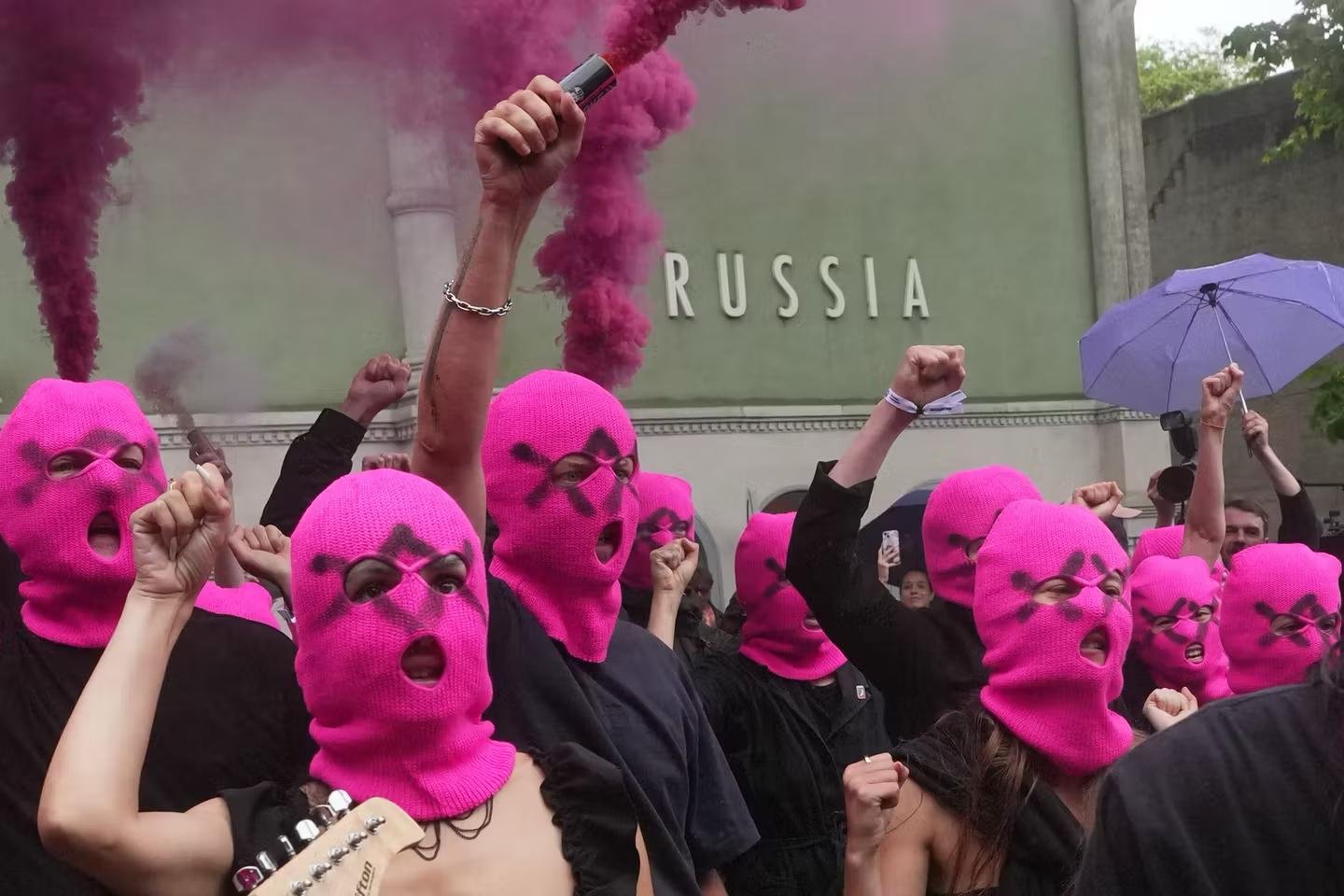
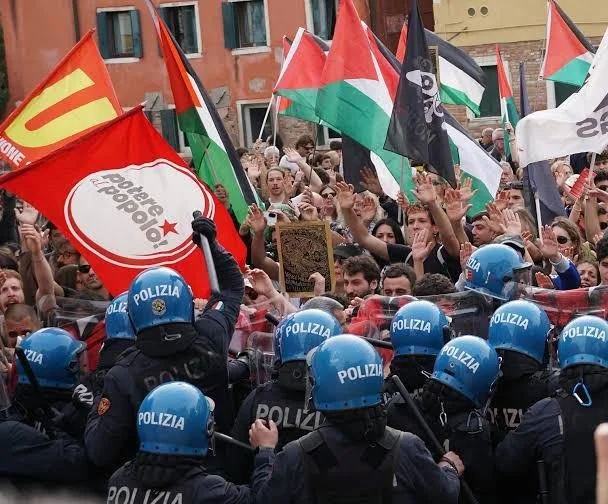
Political activity at the Venice Biennale is not new. In 1968, artists and journalists arrived at the vernissage to find the exhibition under siege. In 2022, the Russian Pavilion’s own curators and artists resigned, stating that there was no place for art when civilians are dying. But this year feels different in desperation and scale. The entire jury resigned days before the opening, refusing to award prizes to artists from countries whose leaders face charges of crimes against humanity. Pussy Riot stormed the Russian pavilion with smoke flares. Around 60 artists staged the Solidarity Drone Chorus, performing the sound of drones over Gaza, wearing a T-shirt bearing the name of a Gazan artist killed. Pavilions across the Giardini went dark in a one-day strike.
So now we ask: what is the Biennale actually for?
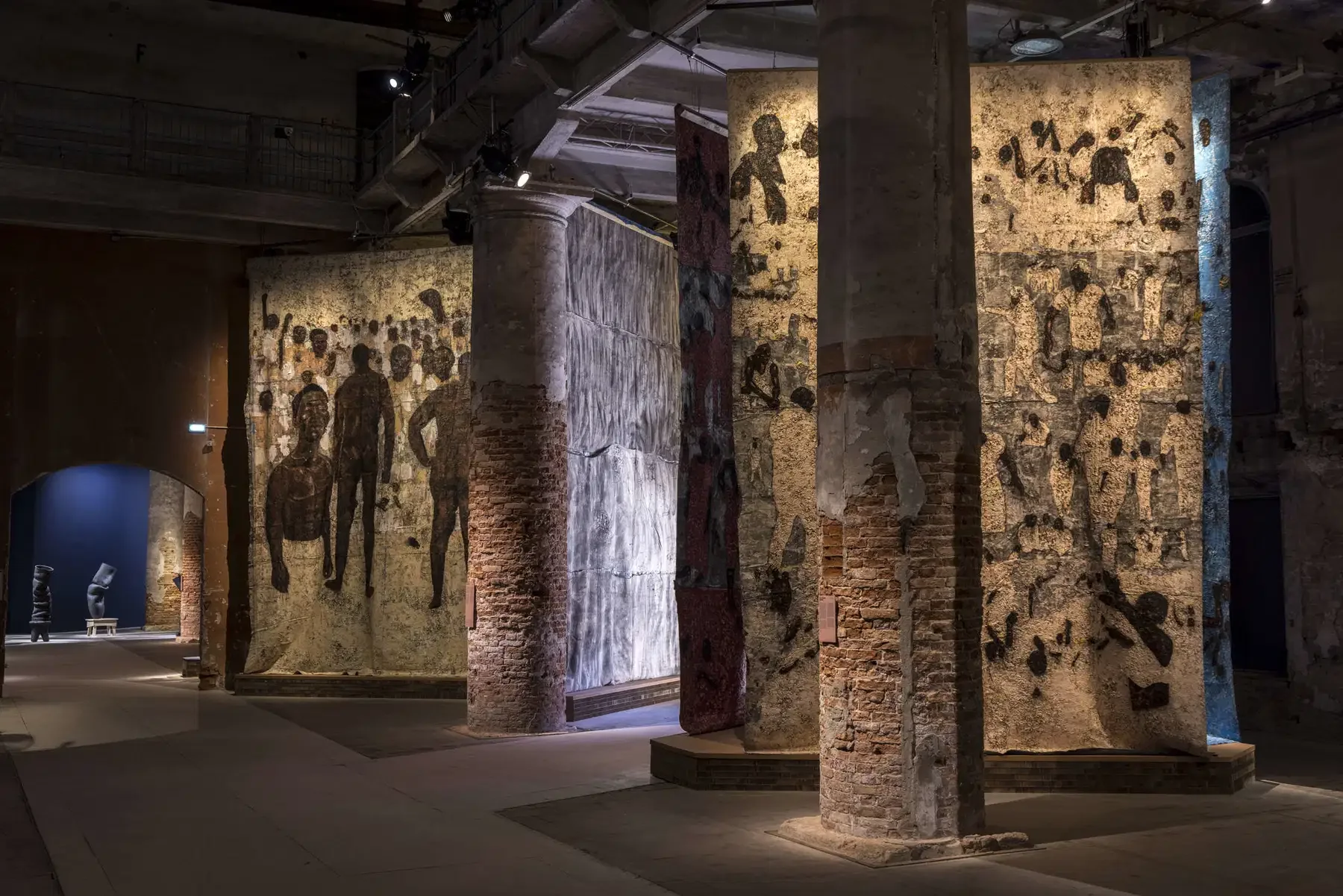
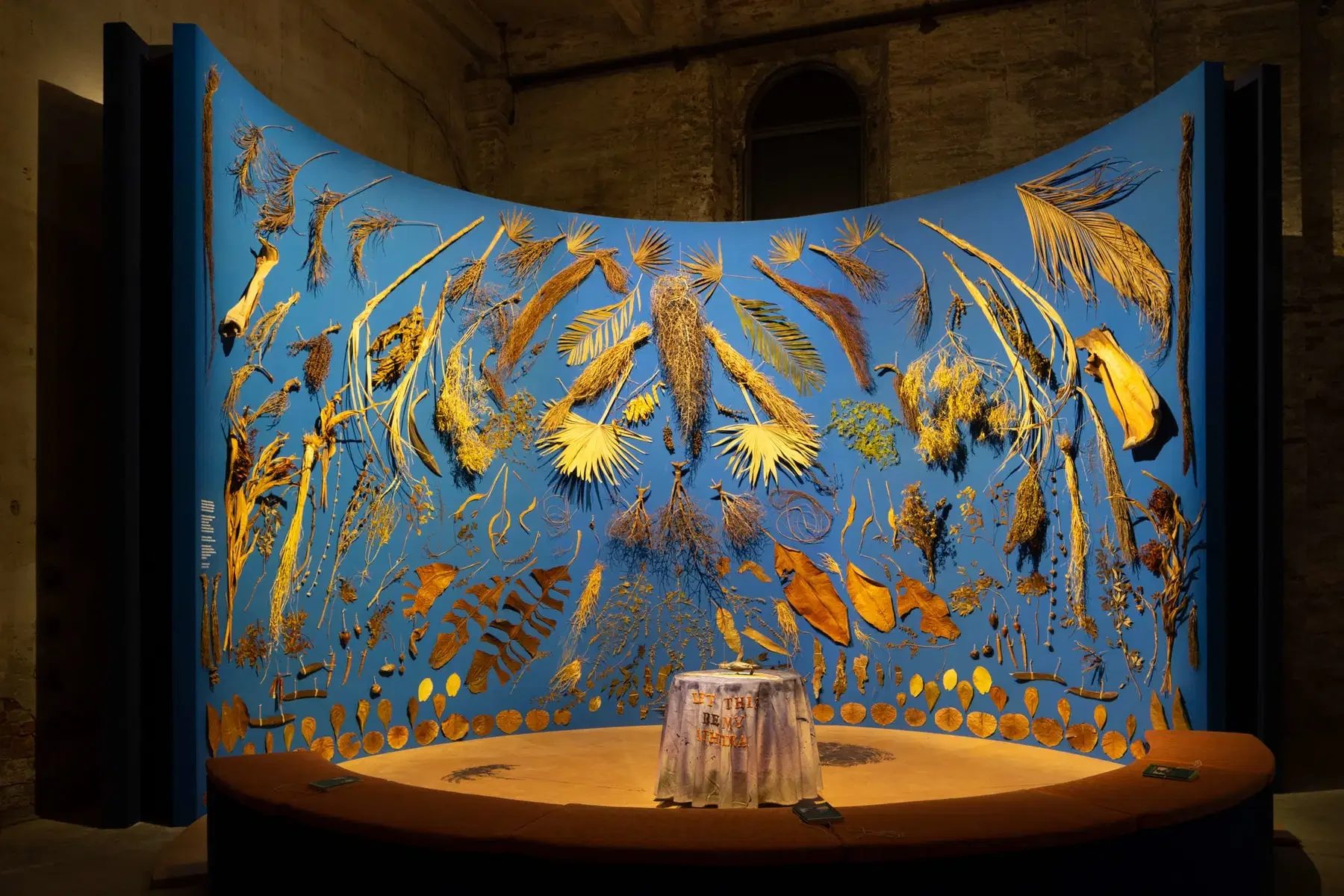
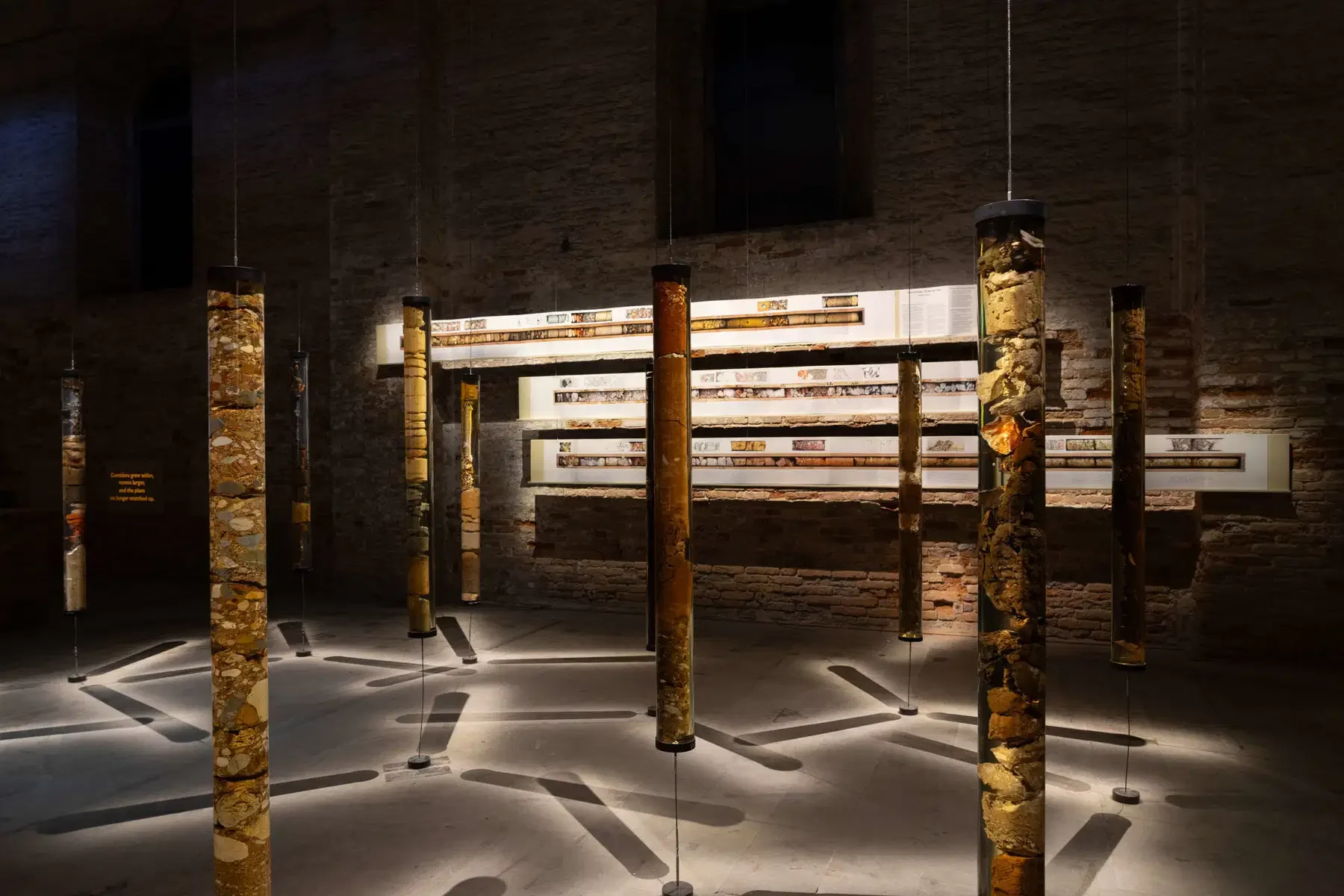
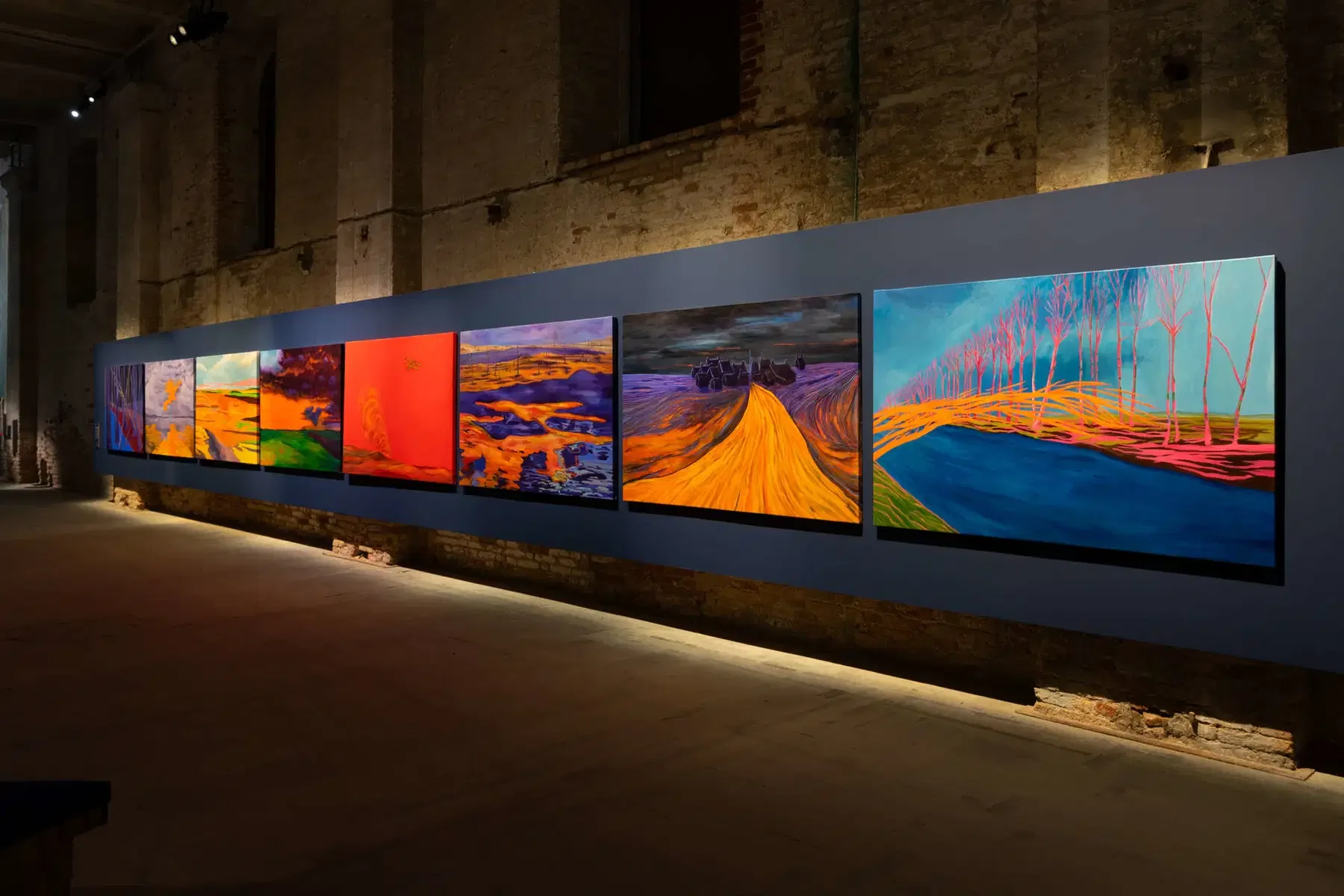
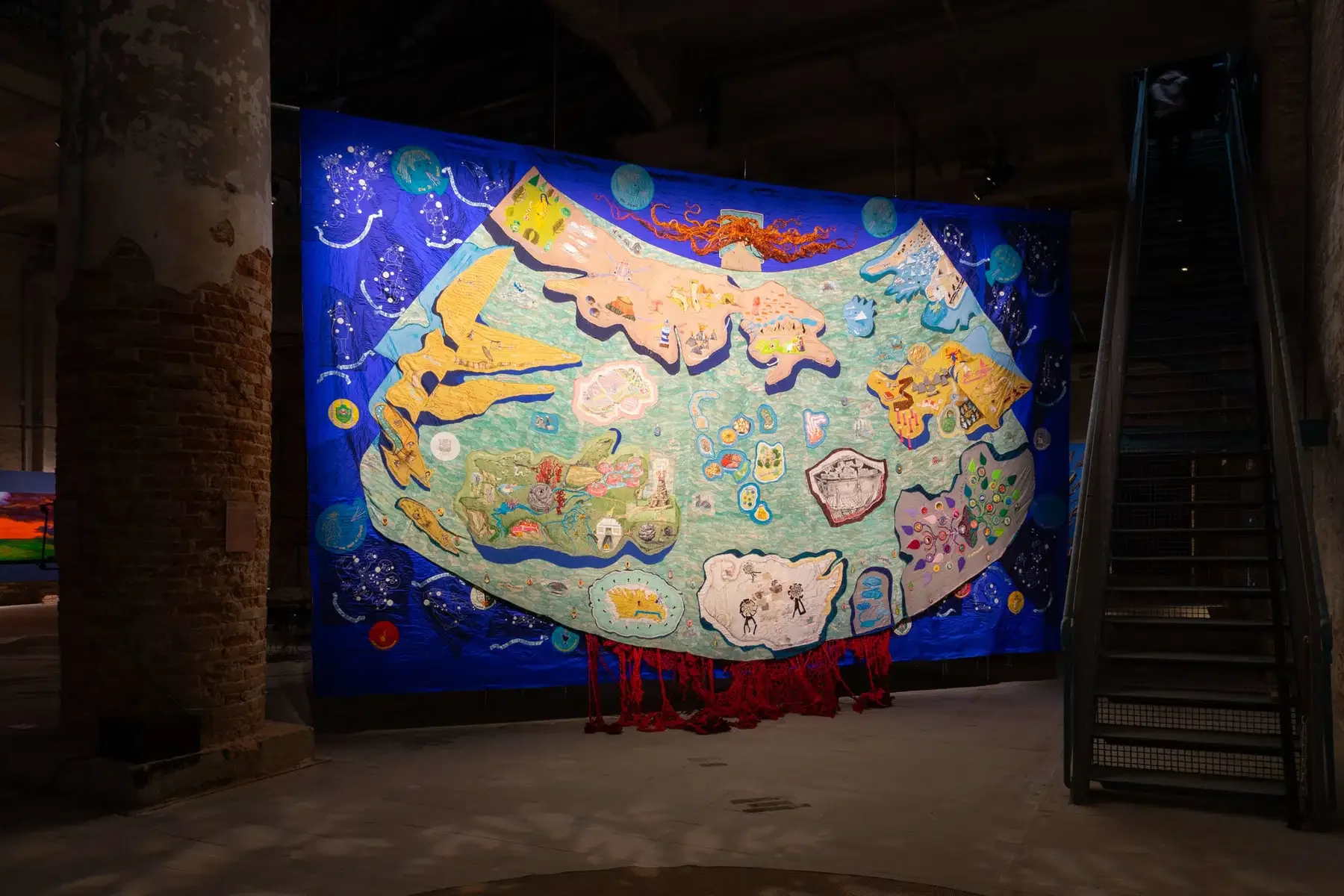
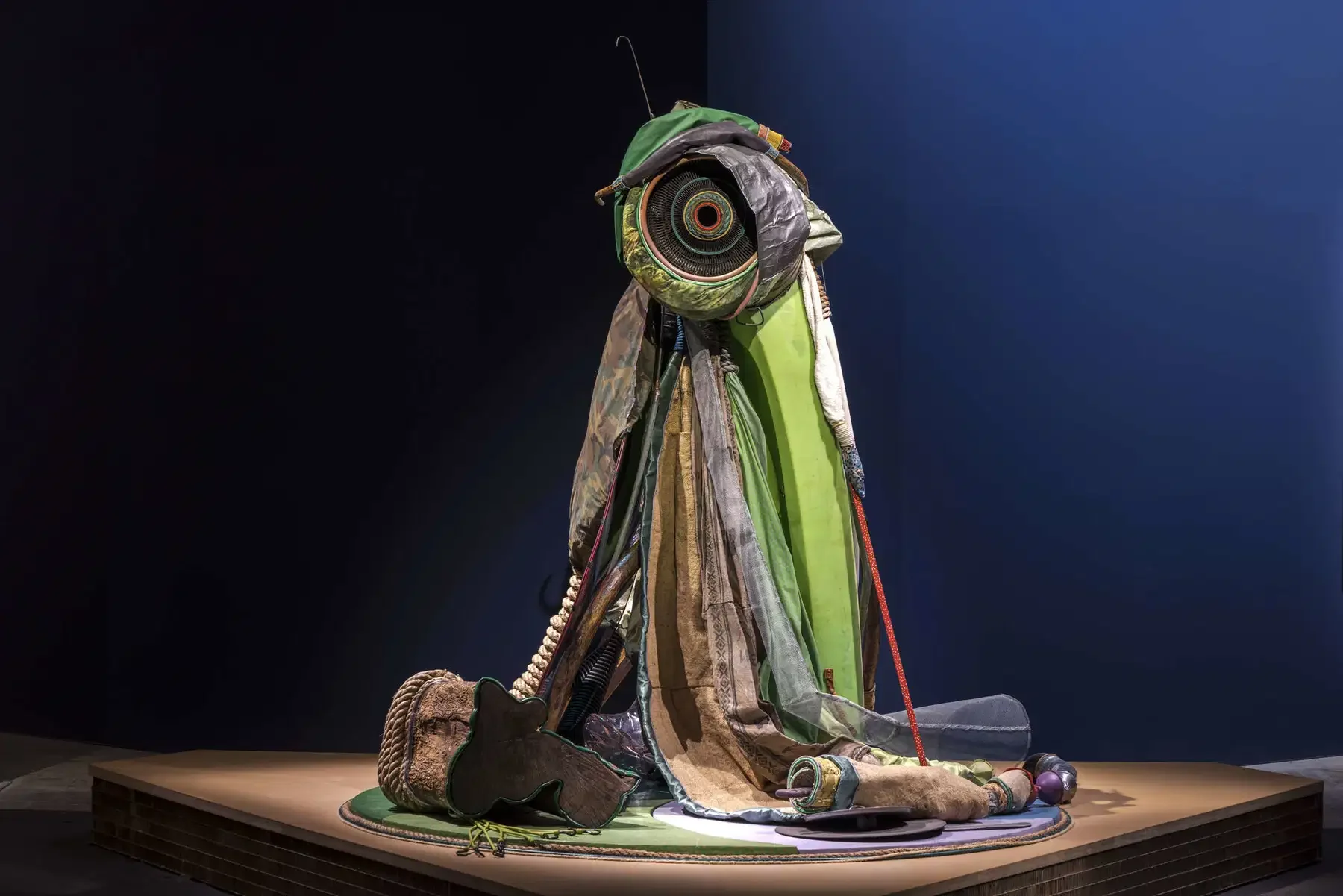
It is, in the most painful way, perfectly timed.
Now the frame is being contested from every direction. Governments demand celebration instead of critique. Artists demand that institutions take a position. Neutrality, once performed as virtue, begins to look like evasion. And what becomes clear is simple: there is no neutral institution. Every institution holds a position. The question is only whether it admits it.
But what do we want from an institution? Not in theory, but in practice. When we walk into a museum, when we buy a ticket, when we stand in front of a work that unsettles or reveals us—what are we trusting? And when does that trust break?
Maybe we want honesty about what institutions cannot be. Maybe we want them to stop performing neutrality as if it were a virtue rather than a disguise. To acknowledge that every curatorial choice is a choice, that absence is as political as presence, that inclusion and exclusion are forms of alignment, however reluctant. Maybe we want them to sit with discomfort instead of resolving it into something clean.
But what we want is not simple. Because we still go. We still accept, to some degree, the authority of the frame, even when we know who built it, even when we are angry at how it is being held. There is something helpless in that.
We go because the art is there. Because the work still matters, even when the structure around it has been compromised. We go because Koyo Kouoh spent her life building something and died before she could see it installed, and it is there now, titled Minor Keys, surrounded by protests, smoke flares, and the resigned silence of a jury that refused to pretend.
Maybe that is where trust migrates when institutions fail, not into institutions, but into people.