SATURNALIA
I thought that I was dreaming when you said you love me. The start of nothing.
I thought that I was dreaming when you said you love me. The start of nothing.
There are moments when the world seems to loosen, when everything feels suspended, like a dream, or the promise of a reversal. Something shifts; something opens. And yet, these moments rarely exist outside the conditions that produce them. They unfold within a frame that both enables and contains them.
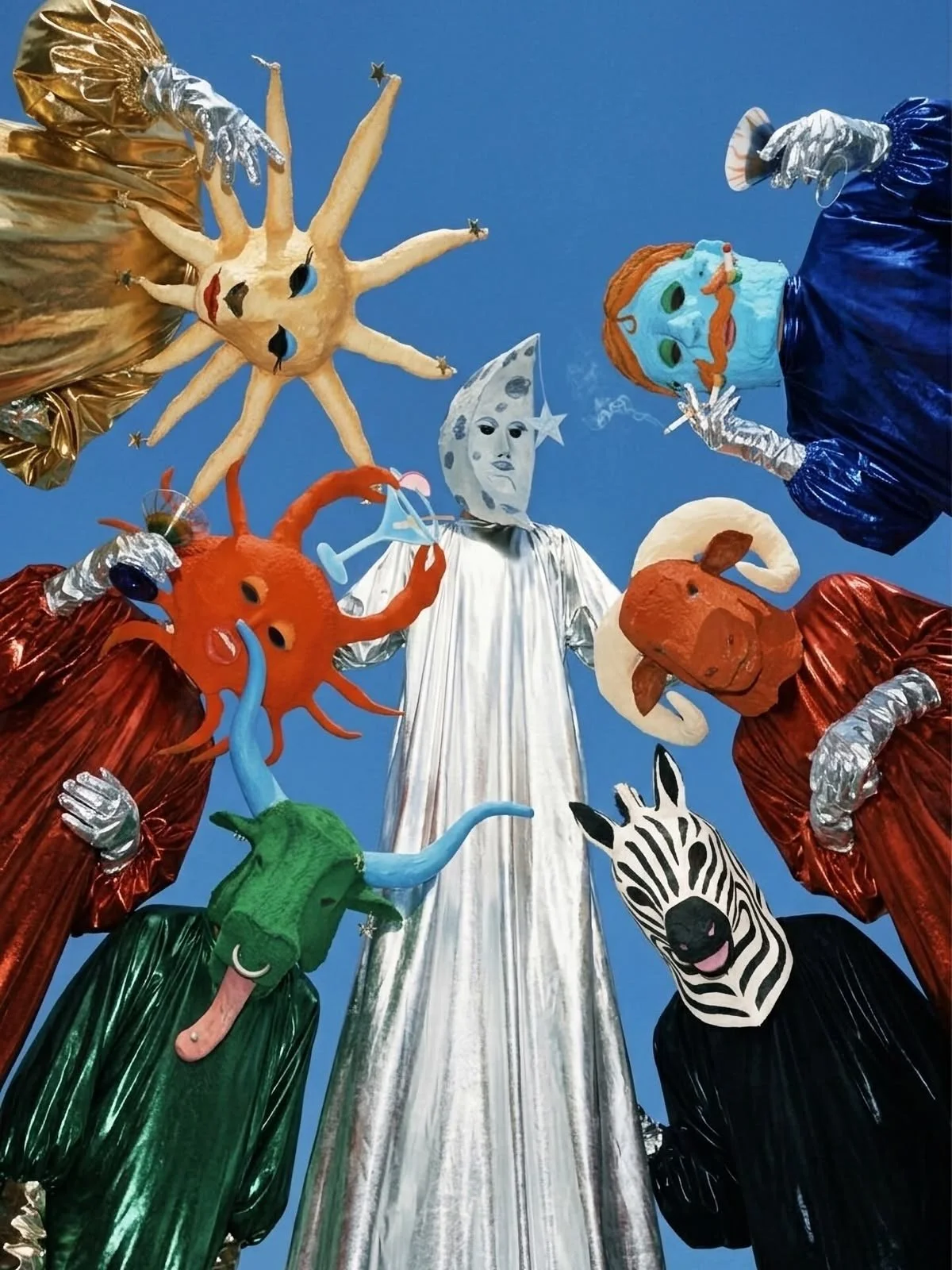
The ancient Roman Saturnalia, dedicated to Saturn, god of time and cyclical renewal, offers a precise image of this paradox. For a brief interval, the social order was inverted: slaves dined as free citizens, masters served at the table, speech loosened, hierarchies relaxed. But this reversal was never meant to endure. It was ritualised: a suspension of order that, in suspending it, reaffirmed its return.
There is something of this structure in the way we encounter certain works, when the expectation of understanding quietly collapses. It is not simply difficulty, nor the familiar friction of something challenging. It is a more radical withdrawal. Language begins to recede, meaning refuses to settle, and the viewer is left in a suspended position, neither excluded nor fully admitted. It feels like a release from the demand to understand. A suspension of sense, perhaps. But not its abolition.


In recent months, I have been writing my thesis, and my research has been primarily occupied by a different kind of question: how legal systems listen and how they translate (minor) voices into claims? Studying the legal dimensions of indigenous peoples within the international investment system has made me understand more clearly that not every voice can survive the conditions required to be heard. Like the Saturnalia, the promise of voice often unfolds as a moment of apparent reversal, an opening that remains structured by the very limits it seems to suspend.
In a cultural moment that celebrates minor voices, that multiplies platforms, inclusion programs, and representational frameworks, such opacity appears almost anomalous. The dominant imperative seems clear: to give voice, to amplify what has been historically marginalised. Yet this imperative carries within it a familiar structure as it promises reversal without necessarily transforming the conditions that govern recognition. A voice may appear, but only insofar as it becomes legible within an existing order.
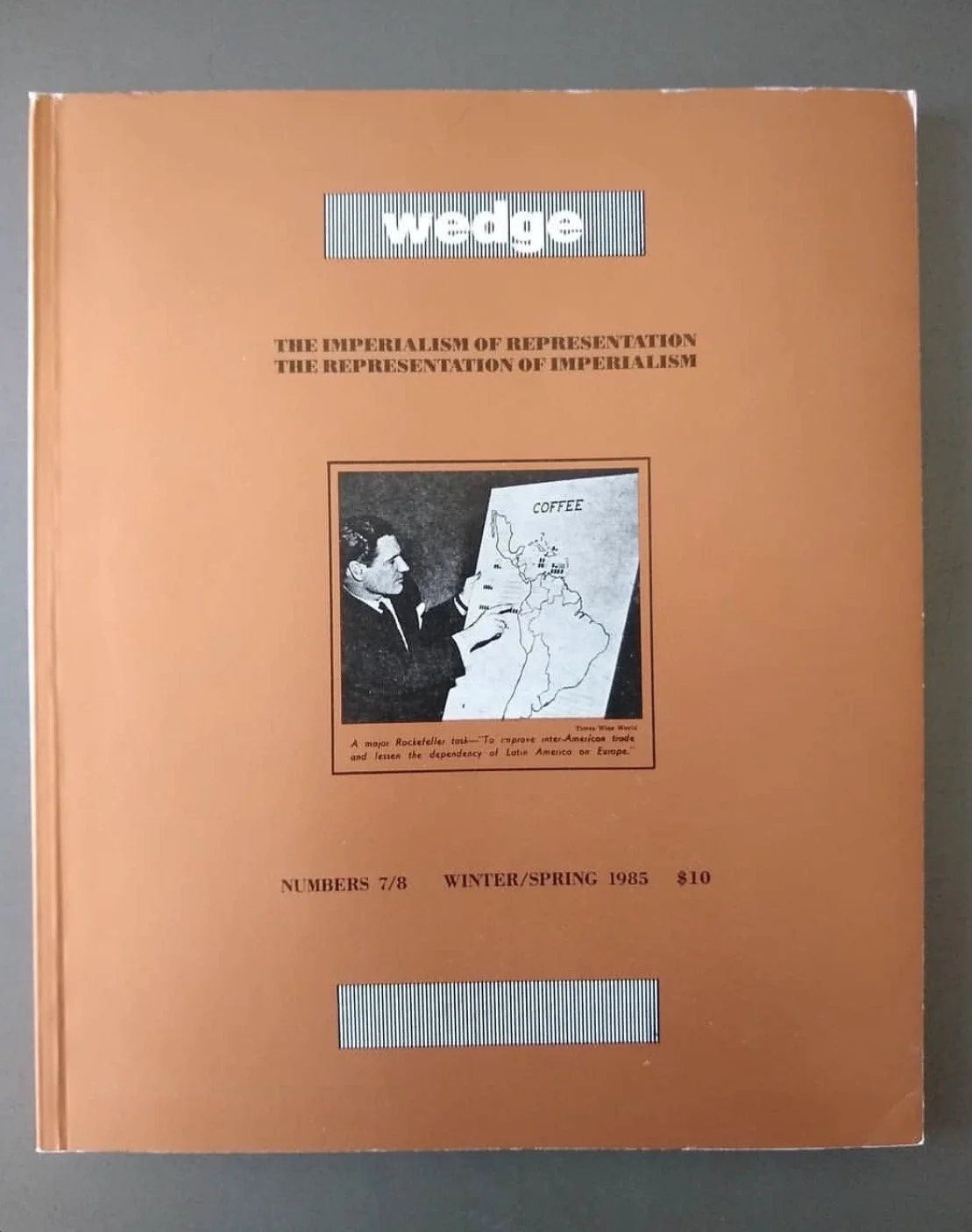
Gayatri Chakravorty Spivak’s question Can the Subaltern Speak? remains one of the most incisive ways to approach this problem. Not because it offers an answer, but because it unsettles the premise. The subaltern, for Spivak, does not simply lack voice. It is positioned within structures that determine what can count as speech in the first place. To be heard is already to be translated, and to enter discourse is to risk being reshaped by it.
Her discussion of the sati, the widow who immolates herself on her husband’s funeral pyre, makes this clear. The woman at the center of the ritual never appears as a speaking subject. She is spoken for, alternately, by colonial discourse, which frames her as a victim in need of rescue, and by indigenous patriarchal discourse, which elevates her as a figure of devotion. In both cases, her voice is already inscribed within competing regimes of meaning. The apparent act of making her visible does not dissolve her subalternity; it reproduces it in another form. The reversal is staged, but the structure remains.
If we transpose this intuition into contemporary cultural production, the implications are difficult to ignore. The emphasis on representation within the broader creative economy rests on an implicit faith in visibility. To make a voice visible is to acknowledge it. To narrate it is to legitimise it. But narratability is not neutral. It is never neutral. It presupposes a grammar, a form.
As a law student, I have been taught to think of voice in precisely these terms. A voice becomes relevant when it can be articulated as testimony, structured as evidence, framed as a claim. It must be coherent. Working on my thesis, I have come to see how much is lost in this passage. Not only in courts, but across institutions that claim to give voice. What does not fit the form is not simply excluded; it is reconfigured until it does. The system listens, but only within the limits that make listening possible.
There is, here too, a kind of Saturnalia. The law promises a space where anyone can speak, where voices can be heard and recognised. And yet, this promise is conditioned by procedures that determine in advance what can count as speech. The reversal is formal; the structure persists.
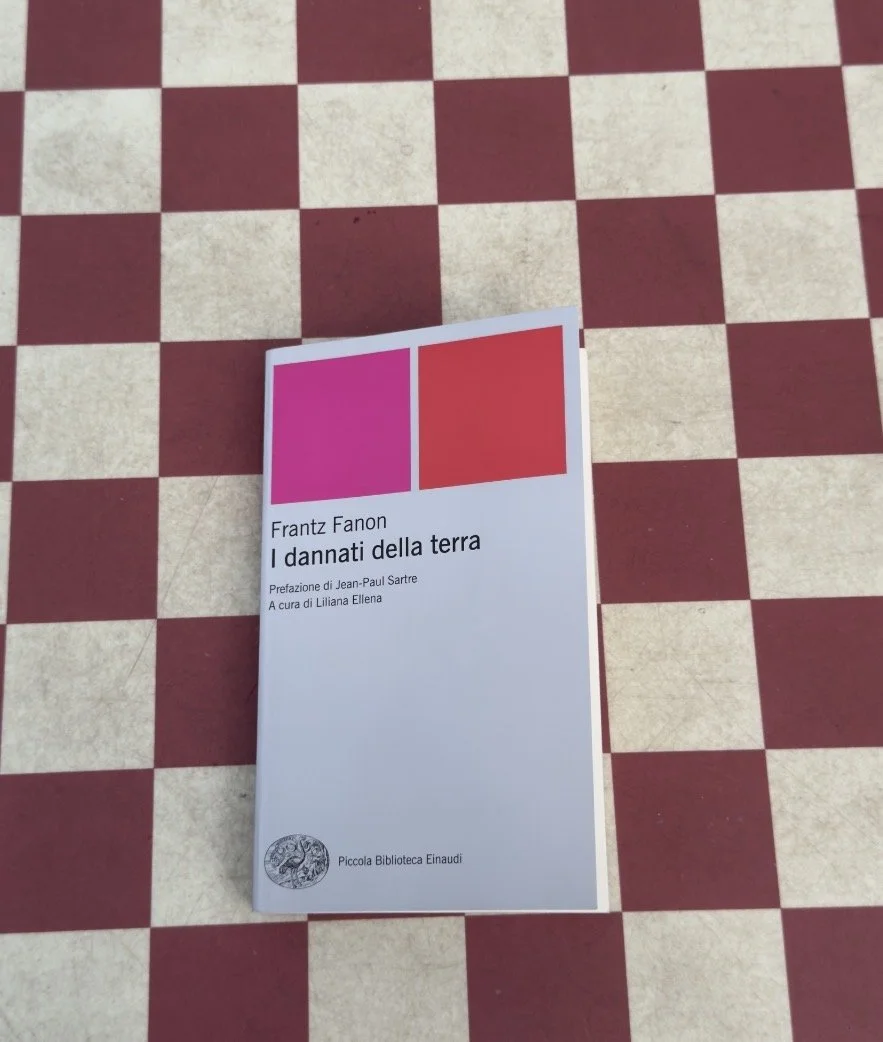
Frantz Fanon approaches this problem from a different direction. In The Wretched of the Earth, the colonized subject does not seek inclusion within an existing order of discourse. That order is itself part of the problem. To speak within it is already to be constrained by it. Liberation, for Fanon, requires rupture: a transformation of the very conditions of expression.
This rupture is not only linguistic. The colonized subject reclaims agency not by perfecting articulation within dominant codes, but by unsettling those codes altogether. Language, in this sense, must be reinvented. The voice does not emerge as a stable, coherent entity; it appears through fracture, through forms that exceed established frameworks.
Between Spivak’s impossibility and Fanon’s rupture, a tension emerges that continues to shape contemporary artistic practices. These practices do not resolve the problem. They inhabit it, producing moments in which meaning falters, in which the expectation of understanding is suspended.
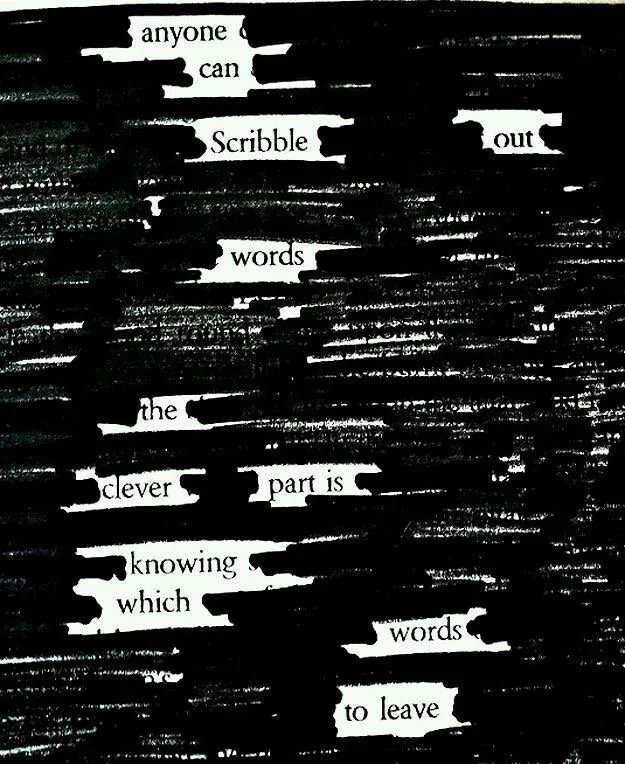
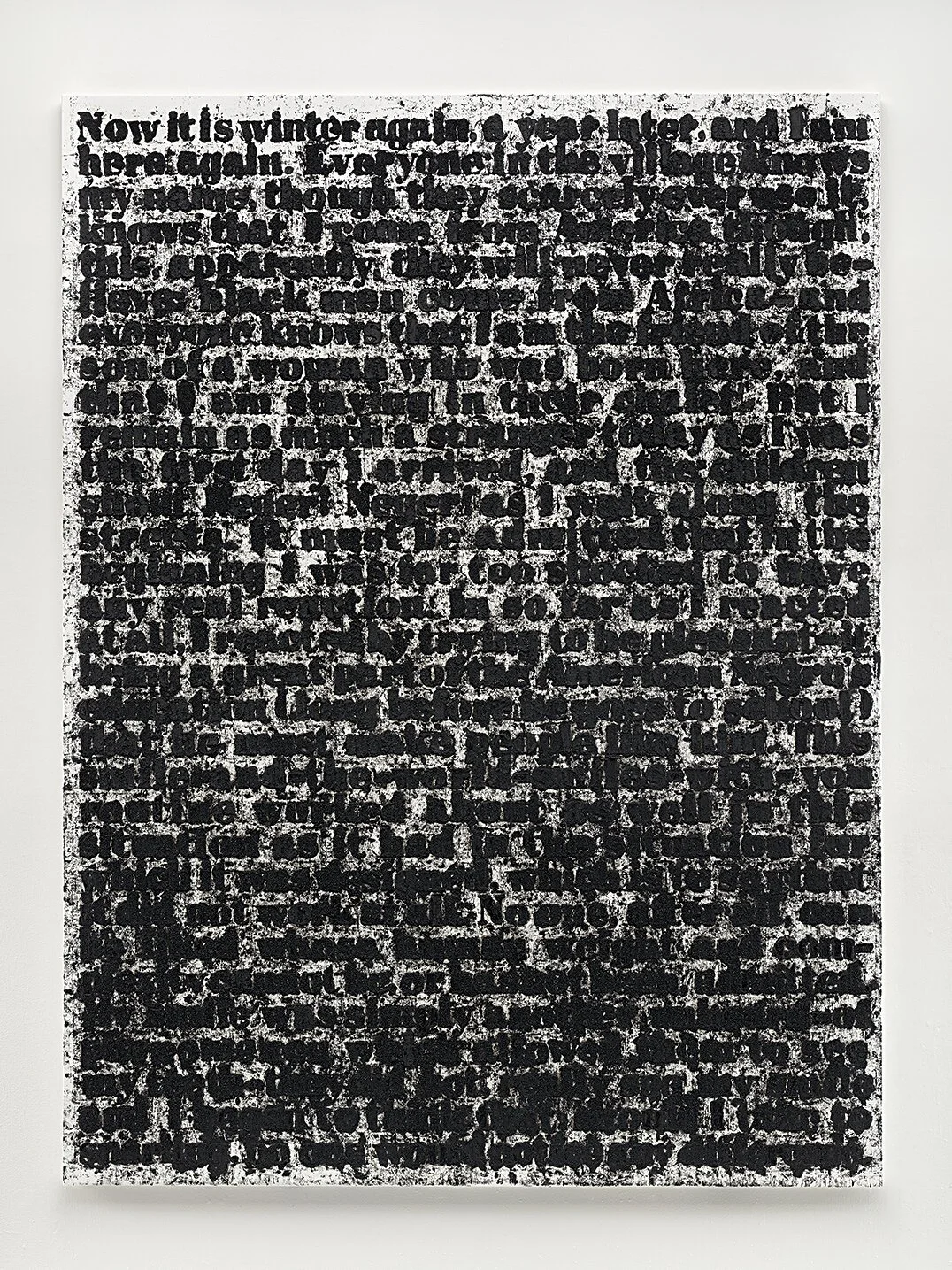
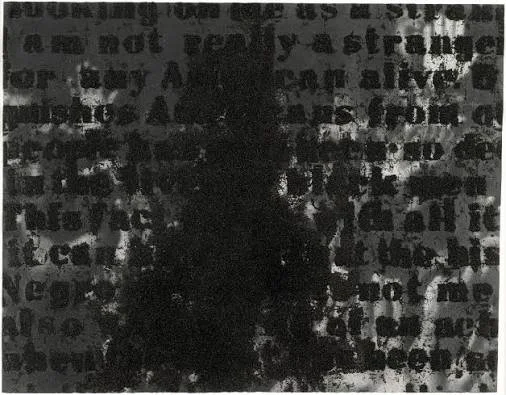
Something like this tension emerges in front of Tarek Atoui’s sonic environments, where sound does not present itself as message but as vibration, as something that moves through the body before it can be stabilised into meaning. In these works, voice does not coincide with what is said, nor with what can be easily understood. One encounters, again, a temporary disordering of the relation between expression and comprehension. Or in Glenn Ligon’s text-based paintings, where phrases drawn from James Baldwin or other writers are repeated until they darken into near illegibility, sinking into the surface of the canvas. The words are there, insistently so, but they withdraw at the very moment they seem most available.
By repeating textual fragments until they dissolve into darkness, Ligon does not abandon language but saturates it. The viewer is confronted with something that is almost readable yet persistently recedes. The demand for clarity is exposed. One is made aware of the expectation that certain experiences, particularly those marked by histories of racialisation, should be available for comprehension, for consumption. Ligon’s gesture interrupts this expectation. It creates a space in which voice is present, but not fully accessible.
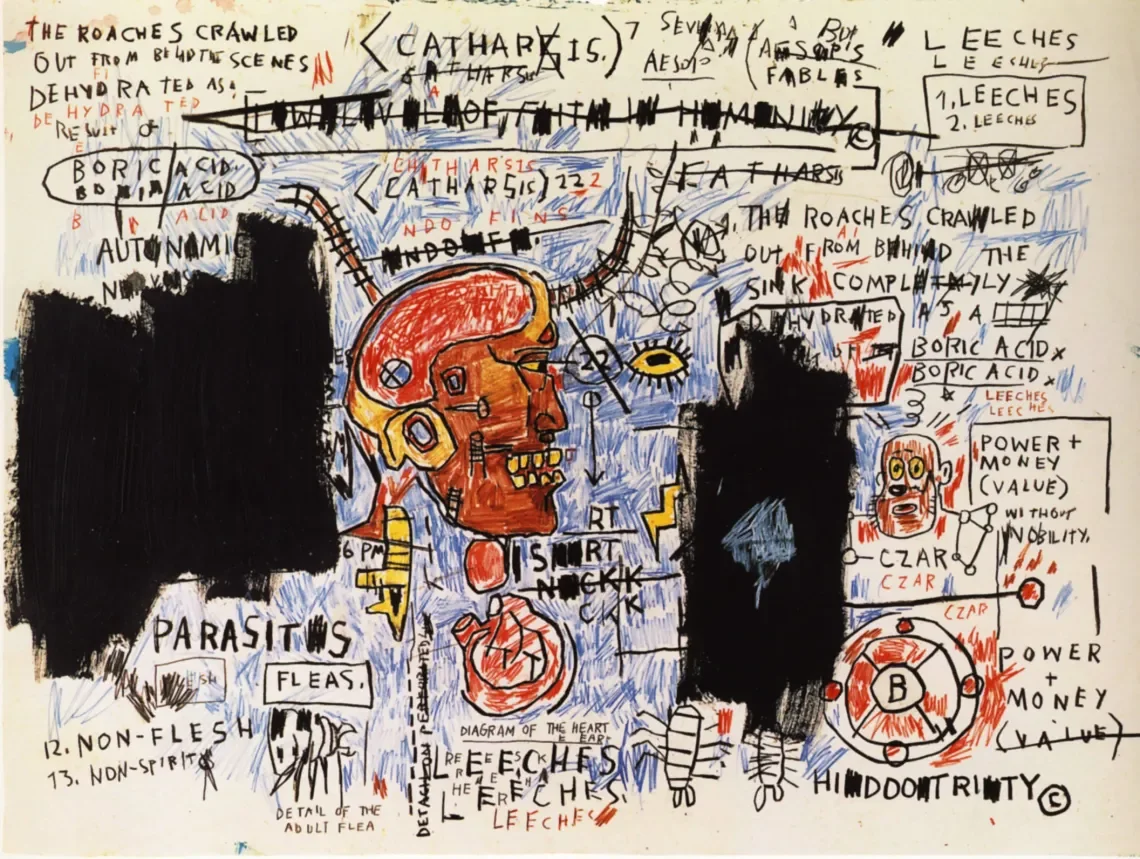
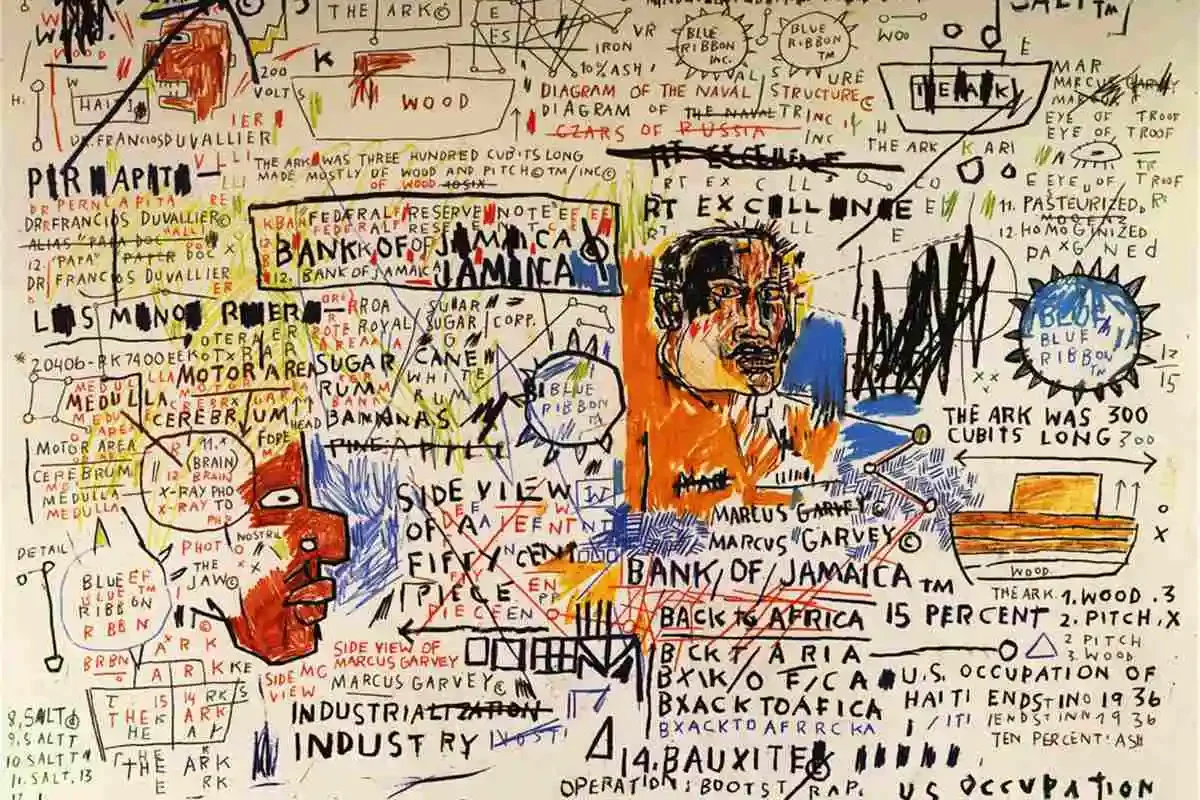
A related chiasm runs through the work of Jean-Michel Basquiat. His canvases are dense with words, symbols, colours, references—yet they resist coherence. Language is repeated, displaced. Meaning accumulates without resolving. If Ligon pushes language toward opacity through repetition, Basquiat fractures it from within, exposing its instability. In both cases, one encounters a surface where voice insists but does not stabilise into a transparent message.

In the cinema of Thai film director Apichatpong Weerasethakul, narrative itself seems to loosen. While time dilates and silence expands, the viewer is not guided toward interpretation but left within an atmosphere that resists resolution. Then, causality fades, and, once again, there is a suspension. His images unfold with a kind of primal intensity, at once overwhelming and elusive, where the boundaries between the material and the spectral begin to dissolve.
What emerges from his narratives is a different condition of relation—one in which meaning is no longer secured by the frameworks that usually organise it. The image does not speak in a way that can be easily translated, and yet it does not fall into silence. It persists. Even though it cannot be fully recognised within the dominant structures of intelligibility. It metaphysically lingers. And this is the most important thing. It persists.

Uncle Boonmee Who Can Recall His Past Lives, Apichatpong Weerasethakul