
Rio de Janeiro: Beyond Carnaval
It goes without saying that Brazil has been in the media spotlight for a while now. This visibility isn’t due to structured cultural exportation strategies but rather a natural and organic process of fascination with the country’s culture worldwide. There seemed to be something genuine and authentic in the way Brazilians carried themselves and experienced life; it didn’t feel performative or curated; this was what made it so intriguing. It contradicts every aspect of what we’re used to consume in today’s media landscape, where everything is carefully curated to perfection to then be massively reproduced.
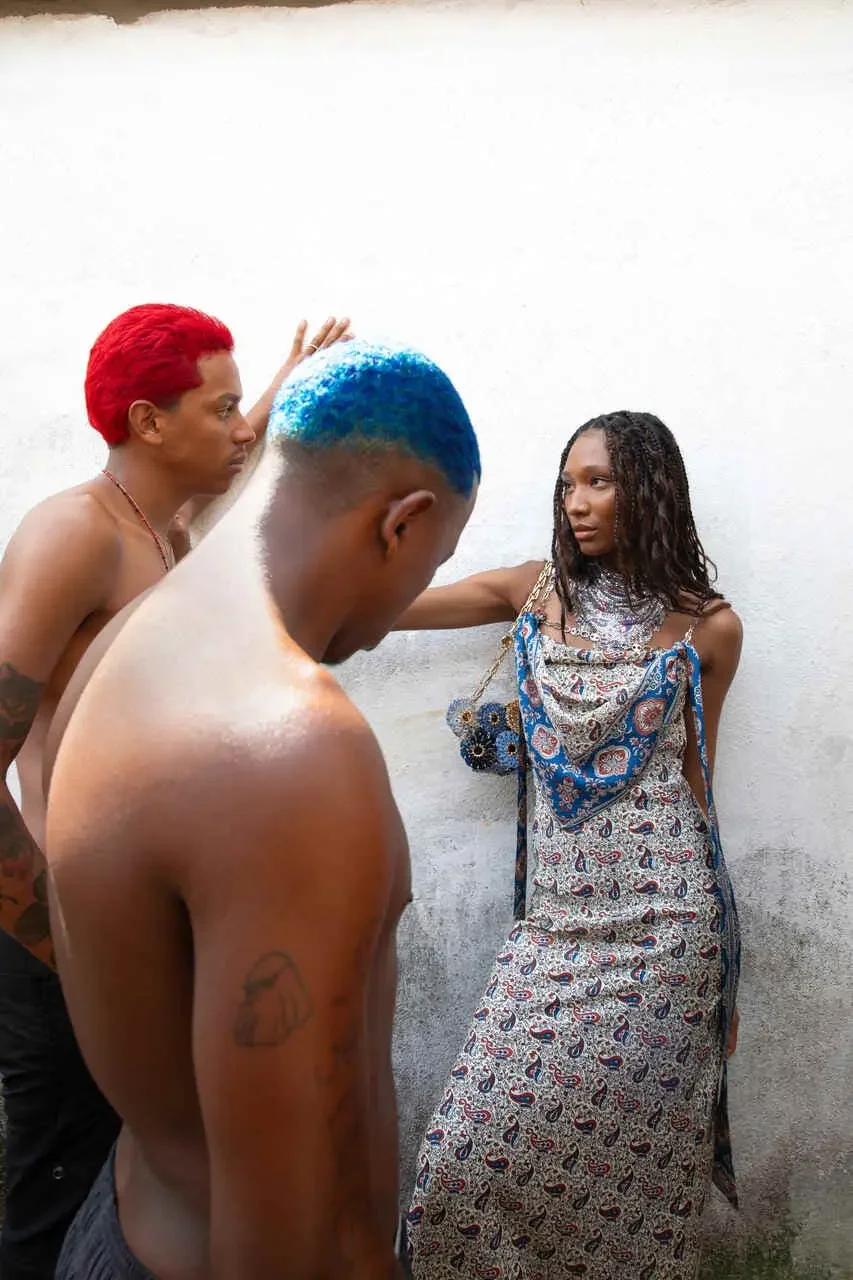
Paco Rabanne in Rio
The instigated curiosity paired with admiration resulted in a concrete impact. Revenue at Brazilian inbound tourism companies grew approximately 30% between 2019 and 2025, with international arrivals reaching a record 9.3 million in 2025. Carnaval in 2026 was an economic and social highlight, generating a record-breaking amount for the economy, equivalent to 3.1 billion euros.
The advertising market was quick to notice the movement and began an attempt to capitalize on this growth. Havaianas, the biggest flip-flop brand in Brazil, launched collabs with Dolce and Gabbana, Isabel Marrant, and Zellerfeld. Originally associated with accessibility and the ordinary everyday life of Brazilian citizens, the product became an aspirational and fashionable item, an item transfigured into quiet luxury associated with resort wear. Another example is Rabanne’s High Summer 2025 campaign, fully shot in Rio de Janeiro; the brand was able to successfully capture the country’s energy, incorporating local style trends.
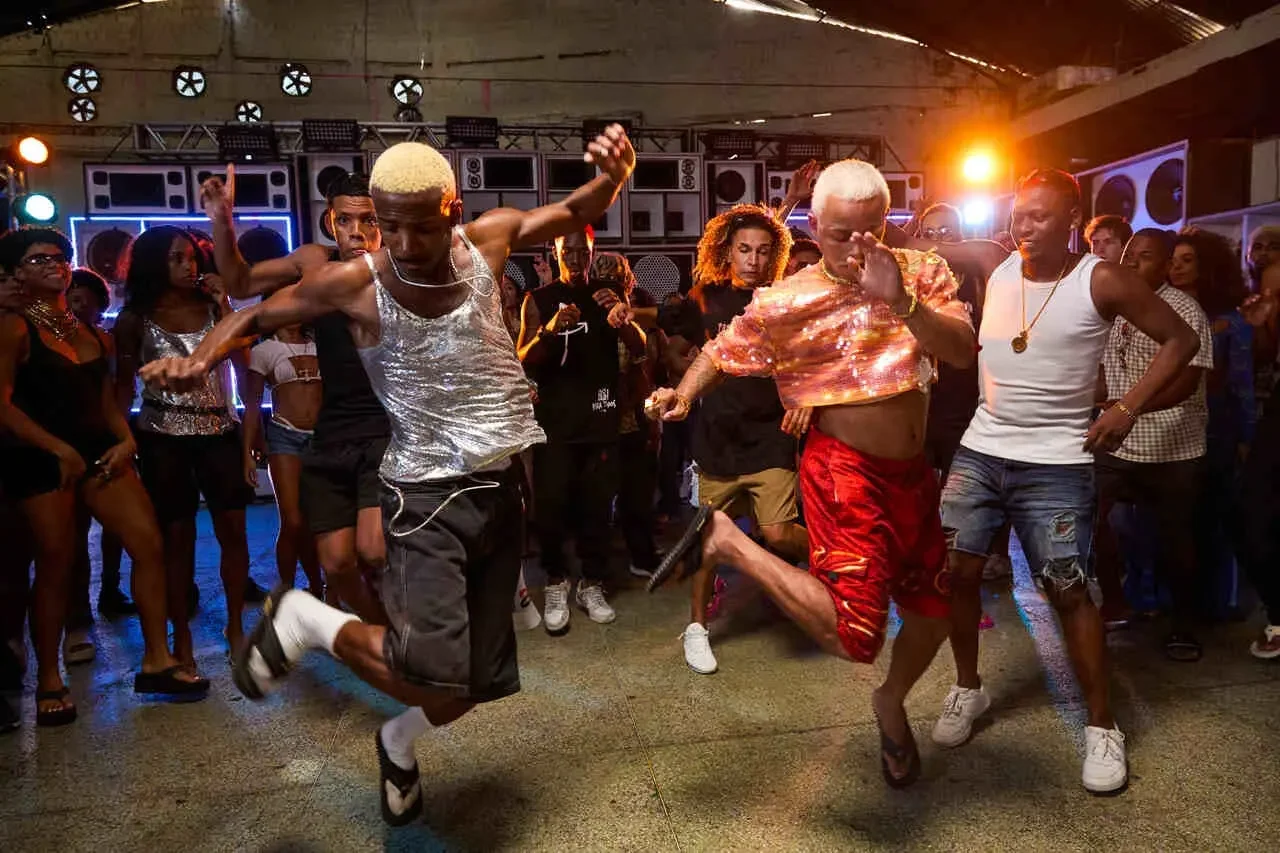
Paco Rabanne in Rio
In Rocinha, the biggest favela in Rio de Janeiro, visitors wait up to 2 hours to be filmed by a drone that zooms out from a balcony in a wide shot. You might have stumbled upon one of the thousands of TikTok videos in which funk or bossa nova plays in the background while tourists wave and pose on top of the terrace. This attraction triggered intense commentary in the country and raised an important question: does this kind of experience reinforce rather than undermine prejudice? While some argue that it’s a harmless immersive experience that creates job opportunities for residents, others believe that it leads to an inevitable elusion and romanticization of the true reality of living in these underserved communities.
The issue arises when, for lack of information or disregard, the whole social structure of a nation gets reduced to a marketable trend, a temporary aesthetic packaged as a commodity. Brazil has historically possessed immense cultural richness: a variety of landscapes, resources, people, music, food, and customs. Characteristics that, when added together, carry a natural potential for global recognition. The issue does not stem from visibility itself, but from the fine line between admiration and the inclination to domesticate cultural difference into stereotypes that are more easily consumed.
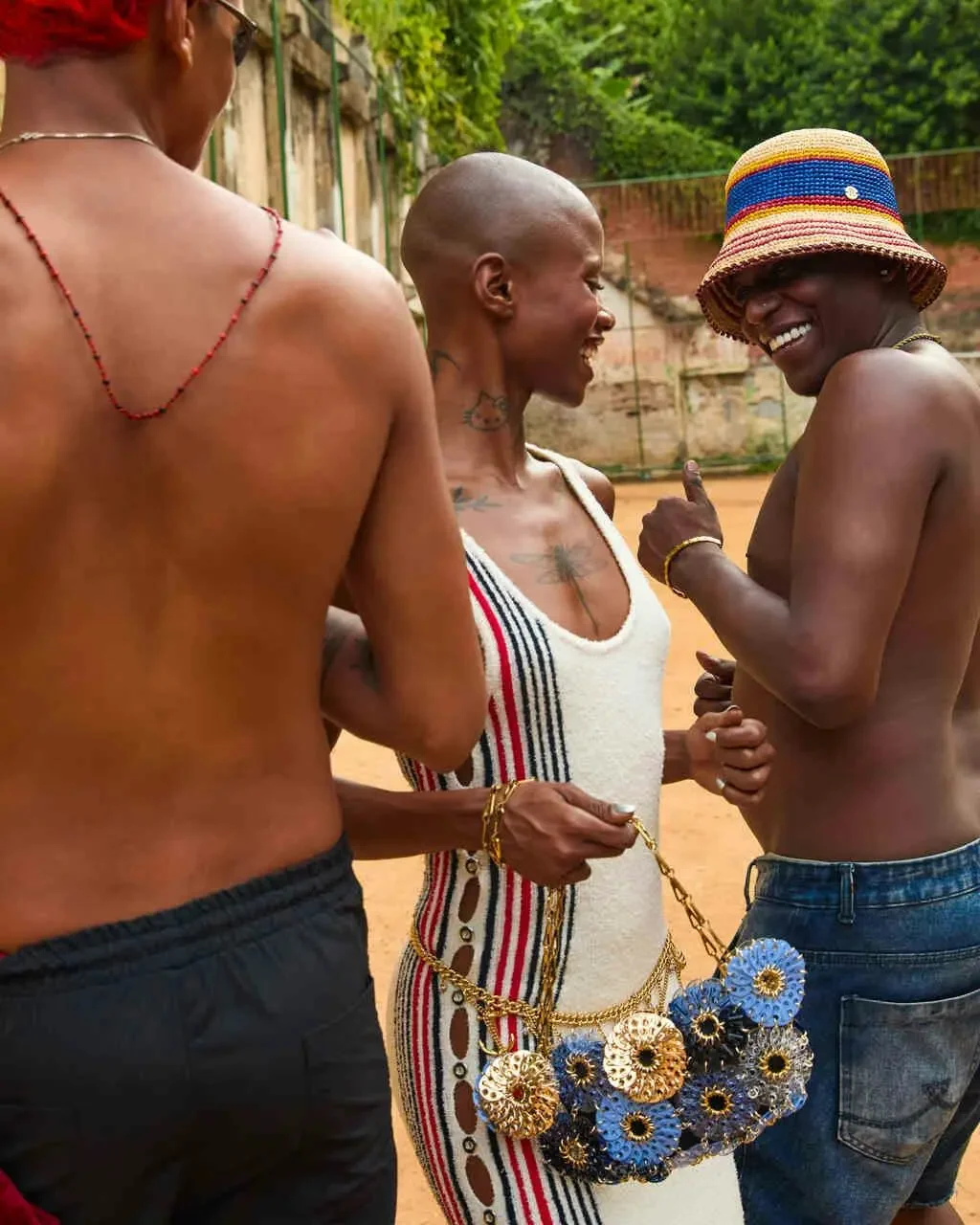
Paco Rabanne in Rio
The central question remains: while the global market consumes and reproduces the curated and filtered image of Brazilian lifestyle, it remains distant from understanding the structures that led to its social setting of systemic inequality. This is where the conversation must shift. My goal is to encourage reflection beyond what is strategically promoted for visibility, placing the focus on people and the new generation’s potential for social mobility. For this reason, I decided to allow them to tell their own story and speak of dreams and goals nurtured in this unequal society. (Because they are minors and speak frankly about the violent environment they live in, they will be referred to by their initials.) D.S. (13 years old), M.A. (17 years old) and M.S (15 years old), three students that I met through Instituto Sabendo Mais, a non-profit organization in Complexo da Maré, in Rio de Janeiro.
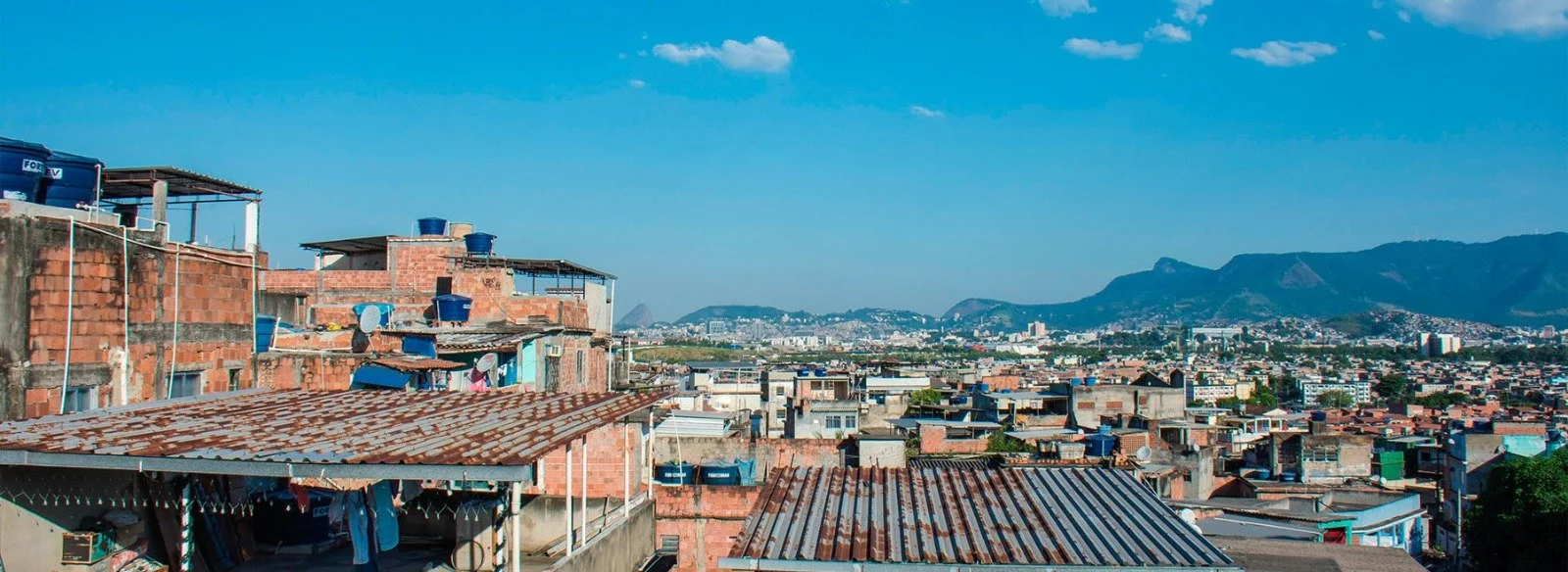
Complexo da Maré
Complexo da Maré is a group of 16 disadvantaged communities (favelas) that are home to a population of approximately 140,000 people. The institute works with local schools and manages educational and cultural projects supported by social investors and philanthropists. The three girls attended Projeto Athena, which offers daily specialized support for gifted children, ages 9 to 12, who are selected yearly from schools in Maré and surrounding neighbourhoods. Over two years, students attend additional mathematics and language classes and prepare for exams to enter the best public schools in Rio de Janeiro, where they can fully develop their academic potential while maintaining motivation to pursue higher education and, ultimately, a university degree. Students also receive full scholarships to achieve English proficiency.
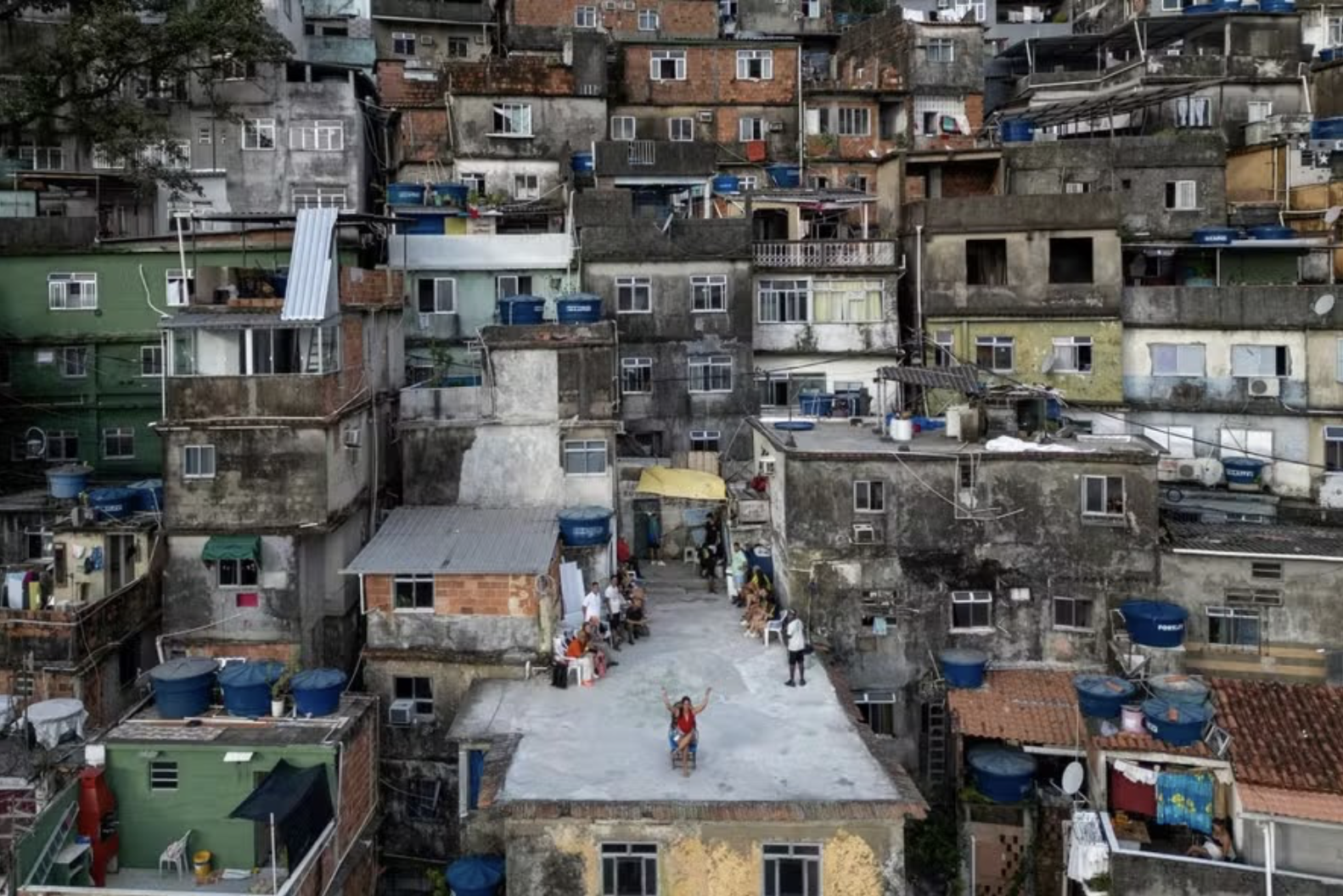
Drone view of the famous artist lookout in Rocinha, Rio de Janeiro
“Today, English is no longer considered a competitive advantage; it has become a fundamental requirement. Without it, entering the job market can be extremely challenging. After four years in the course, I feel comfortable communicating in English since teachers always encouraged us to speak in class.” shared M.A.
Before transferring to CAP-UERJ (a public school associated with the State University of Rio de Janeiro) and FAETEC (a network of public schools that offer integrated technical qualification during high school), the students attended schools in Maré’s communities. M.A. and her older sister were the first in the family to attend high school. M.S.’s mother was a high school dropout who recently decided to return to school. M.S. said that her mother’s decision moved her deeply and made her feel more secure about the importance of prioritizing her own studies.
“Studying in Maré was very different. Things that should have sparked outrage felt completely normal to us; we had grown used to them. I remember the fear of being shot while I was at school. And for everyone, that was normal.” – M.A. shared on her experience when studying at a school inside a community in Maré, where armed conflicts in the streets between gangs and the police or between rival gangs are a reality. D.S. also mentioned that: “(…) classes were often canceled due to gun violence in the neighborhood. When police operations took place while we were still at school, we had to stay crouched down in the hallway, waiting for it to stop or for our parents to come and pick us up”.
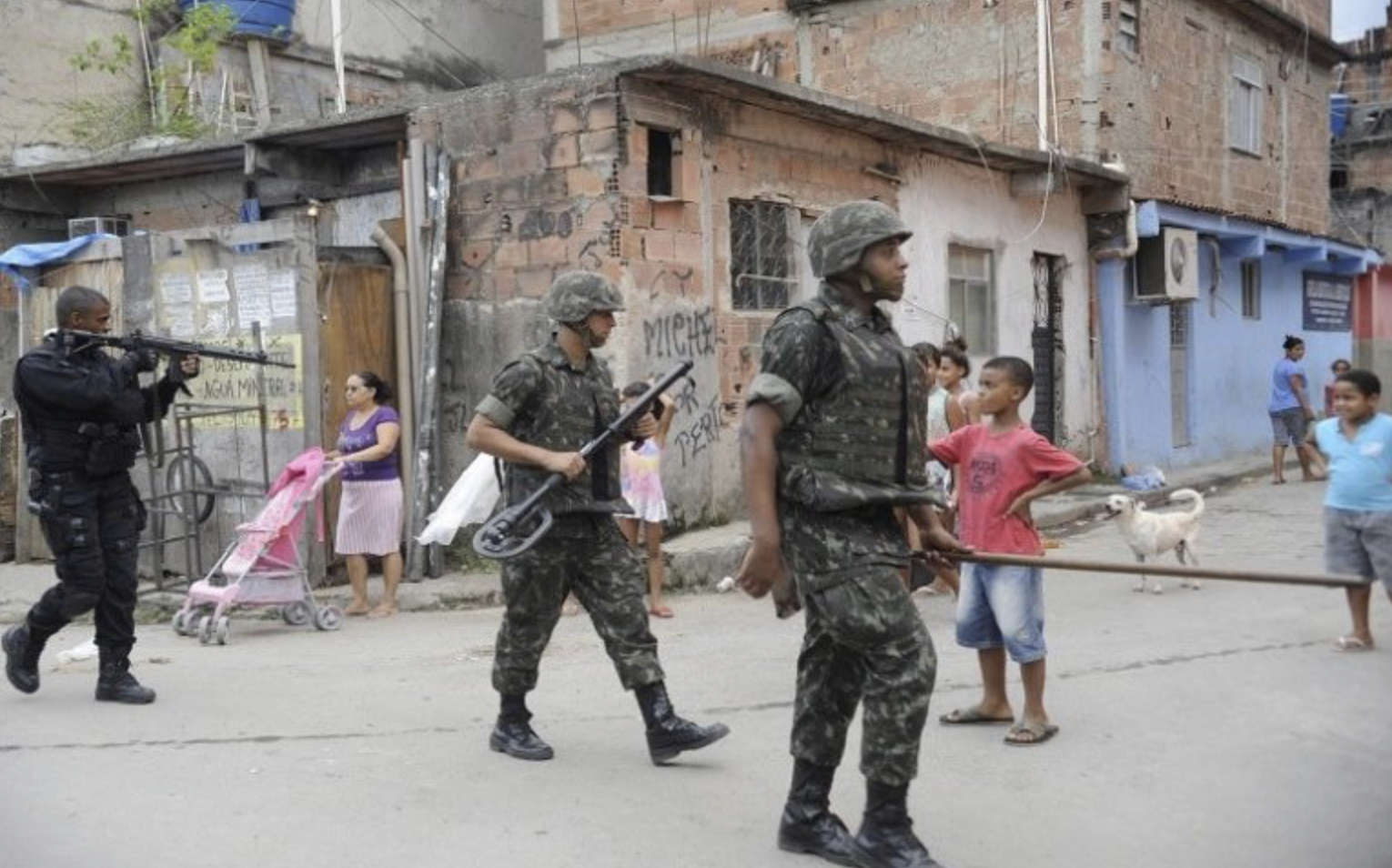
Military personnel during an operation in Complexo da Maré
“What worried me most wasn't even my own safety; it was the fear that my mother might come to pick me up and end up being struck by a stray bullet.” – Adds M.A. “We witness the reality inside the favela. We see young boys involved in drug trafficking and young children carrying guns. It seems to be drawing in more and more young people, and from their perspective, it is the easiest path forward”.
Residents of Complexo da Maré experience daily tension derived from conflicts among drug dealers and militia. Teenagers are often at risk of being lured into cooperating with organized crime.
Instituto Sabendo Mais works with gifted children from Maré’s communities and prepares them to enter schools that will allow them to have a study routine with stronger academic rigor, to experience different social realities and offer new possibilities and opportunities for the future. Hopefully, they will serve as an inspiration to others and be part of a transformation process for the region. It is of extreme importance to encourage the dreams, aspirations, and desires of the young generation despite the violent structure that operates in the favelas. M.A. wants to be a doctor, while D.S. and M.S. wish to study law. “I would like to work in defense of human rights and minority groups. I want to help ensure that the law is applied fairly.” said D.S.
During the interview, the girls highlighted some of the main differences they notice between their previous and current school. They mentioned the diversity and how everyone sticks together and stands for inclusivity. In CAp-UERJ and FAETEC, they have access to a school psychologist to whom they can talk to whenever they need, something that was not so common before. CAp-UERJ also provides financial support for students in need, which helps students focus on school, especially if they were previously required to work to help support their family. M.A. also shared her experience with sports and the school Olympics games: “I used to swim, and now I play handball and basketball. Sports are another source of encouragement and opportunity.”
When reminiscing about her days at Instituto Sabendo Mais, D.S. shared how the institute was responsible for encouraging her passion for reading and literature. “One of the most valuable things the institute taught me was developing a reading habit. Before joining the program, I wasn't particularly interested in reading, but the Institute's library and constant encouragement helped me understand its importance. They told us how reading could broaden our vocabulary, strengthen our writing skills, and improve the way we express ourselves.”
One of the largest problems in public high schools, especially the ones inside the favelas, is a phenomenon called “evasão escolar” which refers to school dropout rates. Teens are often led to abandon their studies to start work and help support their families financially. To wrap up our conversation, I asked the girls what they believe can be done to reduce dropout rates and encourage young people to graduate from school.
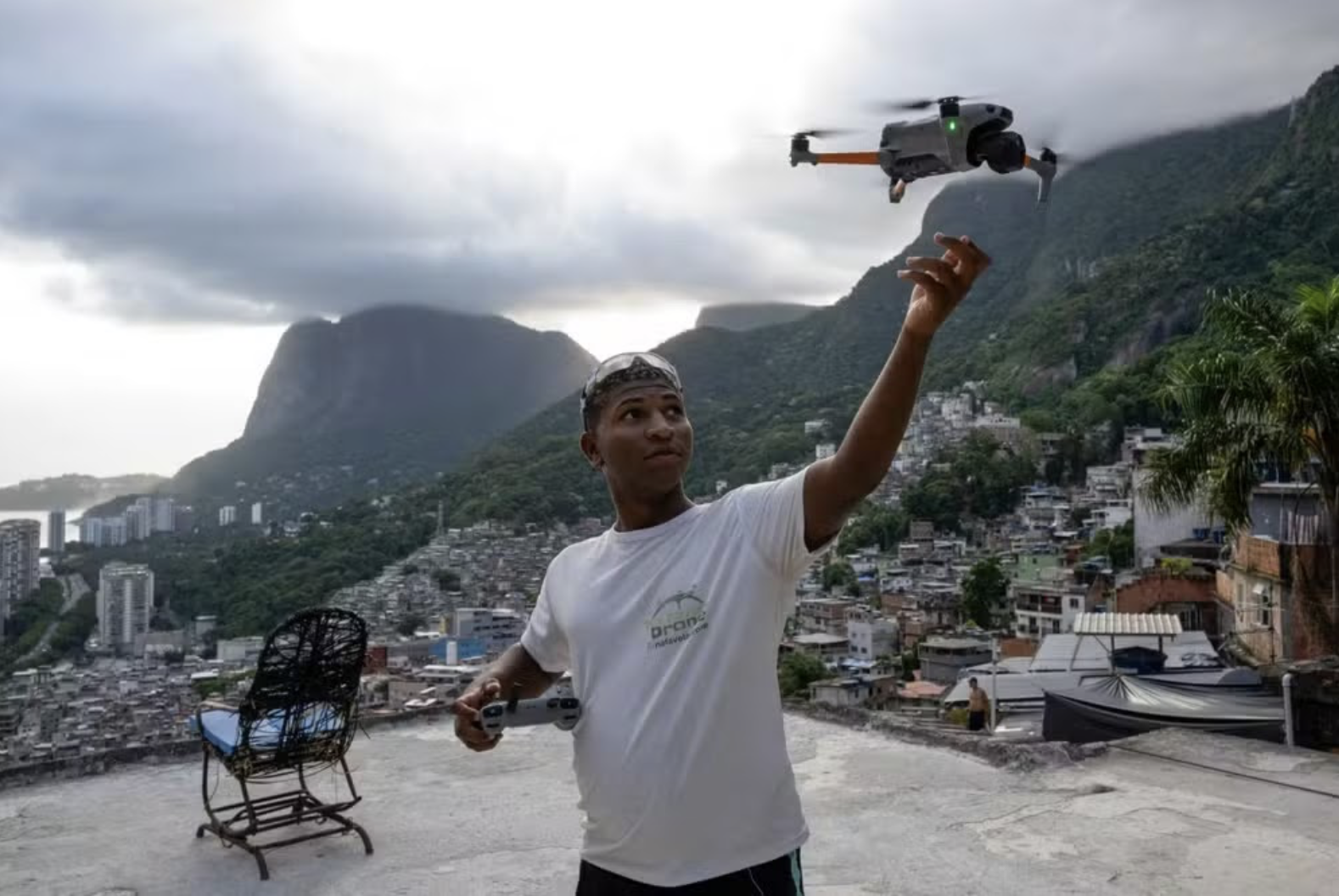
Brazilian Drone Operator
“I believe the key to preventing school dropout is opportunity paired with support and a sense of belonging. Not everyone has the privilege to have access to an institution like Instituto Sabendo Mais or can afford private education. I try to encourage my friends to stay committed to their education as well. Many of the girls on my basketball team dream of playing professionally abroad, and I often remind them: ‘How are you going to play there if you don't speak English?’ Two of the girls have already enrolled in English courses themselves.” Said M.A.
D.S. added: “When it comes to reducing school dropout rates, one of the most important measures is providing financial assistance to families so that young people are not forced to choose work over education. I also think it would be very beneficial if schools offered more practical classes, such as programming, finance, and business. At Instituto Sabendo Mais, we had computer classes and those are the kinds of skills that help us in everyday life.”
Favelas are not just part of Brazil’s cultural identity or a place of crime and violence; they are part of Brazil’s intellectual future and should be treated as such. People are quick to judge and label favelas and residents, while the problem is not rooted in lack of ability, talent, or capacity; it is lack of access and opportunity. We must overcome the meritocratic interpretation of the world we live in and start to put in perspective all the social, historical, and political conditions that lead to such outcomes.
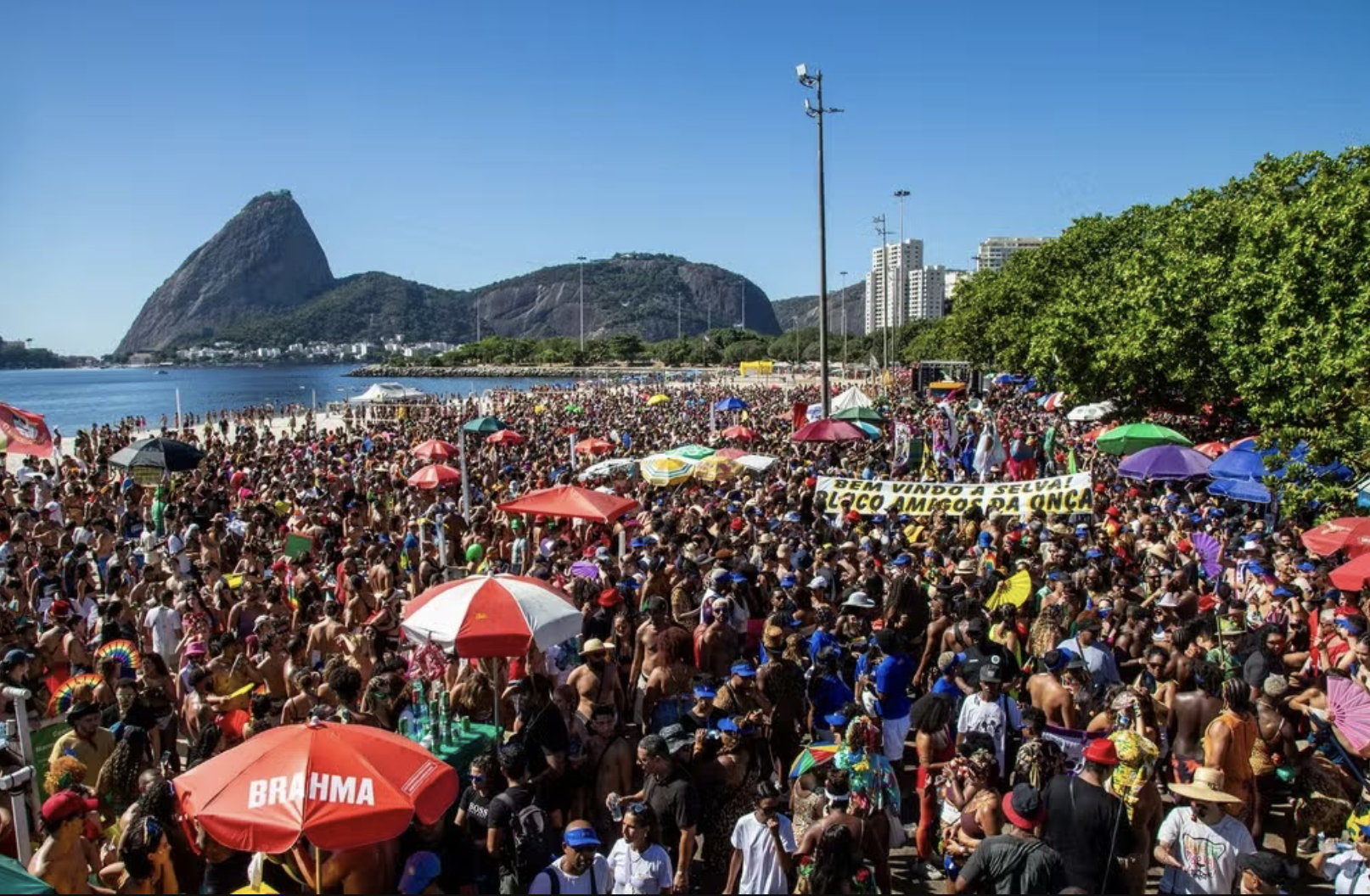
Street Carnaval with a view of Sugarloaf