
MY LIMINAL SPACE IS: DREAMING
The Architecture of Somnia
The architecture of the in-between blurs within less than three minutes of waking up.
Corridors of confined memory, hidden desire behind closed doors, staircases with strange energy become undefined quicker than I can try to reconnect with my certainty.
To dream is to wander through the ever-changing house of the mind, a reflection of the unconscious never letting us rest or figure it out completely.
A dream is a liminal space. Time blurs, identity loosens, and forgotten aspects of the self that long for understanding are finally released. It is in those moments — when nobody feels welcome, but we all belong — that we can attempt to discover who we are and who we still might be.
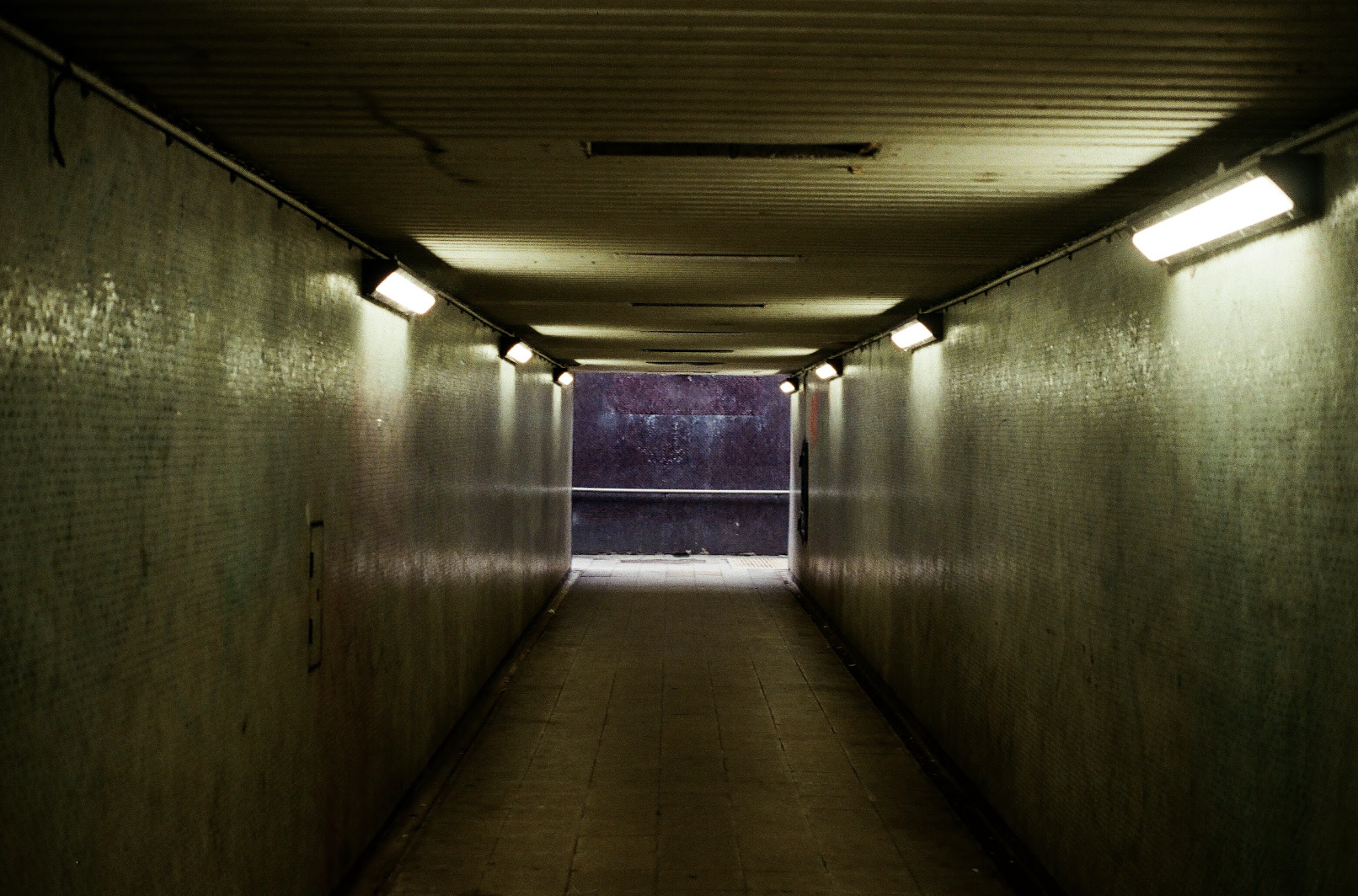
by Ignacy Badowski
I try to define the undefinable: the sense of time in dreaming. I come to the conclusion it does not exist. I cannot figure out in what order, whether one thing led to another, or everything happened at once. Confusion arises about what’s real. I question when I begin dreaming. When my dreams take shape, when they dissolve, whether they transform into a new dream or whether the same one continues, though everything is different.
I question whether the transition from one dream to another is perceptible or happens unnoticed, with a sudden shift that suspends all logic and order.
I try to grasp the pace of time in dreams.
I cannot figure out when things happened, only that they were.
Sometimes, it feels like I linger in a scene as a visitor — zoned out, trying to belong. Other times, I am right in the middle of turmoil and, though I find it hard to believe, I am in charge. The most confusing part is the truth: I am the one who is always in charge.
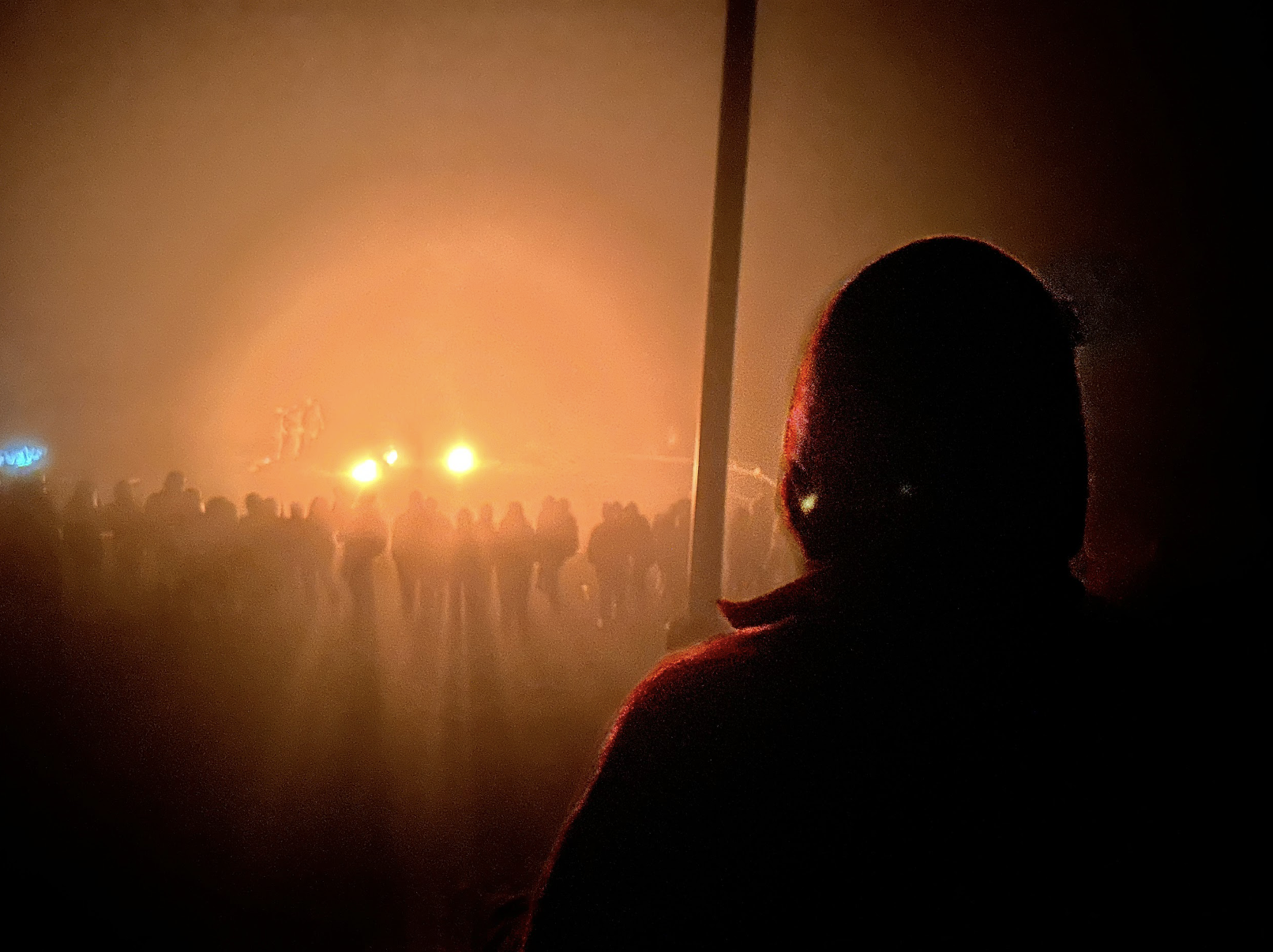
by Ignacy Badowski
The fluidity of time begins when I drift away with my thoughts, and my unconscious sets the imagination free. The absence of external expectations, other people’s judgment, and even my own. The lack of required concentration and the magical state where, for once, there’s no weariness, exhaustion, or fatigue allow the abstract side of the mind to wander. I arrive in a liminal space where time is suspended, or makes no sense at all, and I drift, questioning my consciousness. However calm that drift may sound, it rarely approaches true calmness. Chaos prevails.
Between waking and sleep, my brain processes all I have most recently felt, anything anyone has said or done that day that stirred my emotions in foolish ways. The mint I noticed someone chewing in class became the taste of a memory, sharp and clean.
“I find myself beside a guy, his face undefined, though it feels surreally familiar. Heartbeat in my throat. I’m watching him brush his teeth under a flickering yellow light, uneven and artificial, as if struggling to stay awake.
His damp lips move closer; his breath whispers something I once forgot on purpose. Something that dissolves in thin air before I can hear it.
I notice dirt on my hands…”
“The way the woman in front of the flower shop looked at me two days ago became the answer to an unresolved question from my macroeconomics exam.
I try to write the answer down, but my hand isn't letting me. I see it's stuck in excrescence, I panic as the soreness slowly spreads to each and every one of my body parts…”
In the pandemonium of REM, my brain connects unrelated memories:
people I never knew,
secret fears,
excitement, grief, joy, dread,
a mythical reproduction of my identity,
trauma,
an idea, a song.
Freed from inhibition, I get lost in what distorted reality my mind reveals.
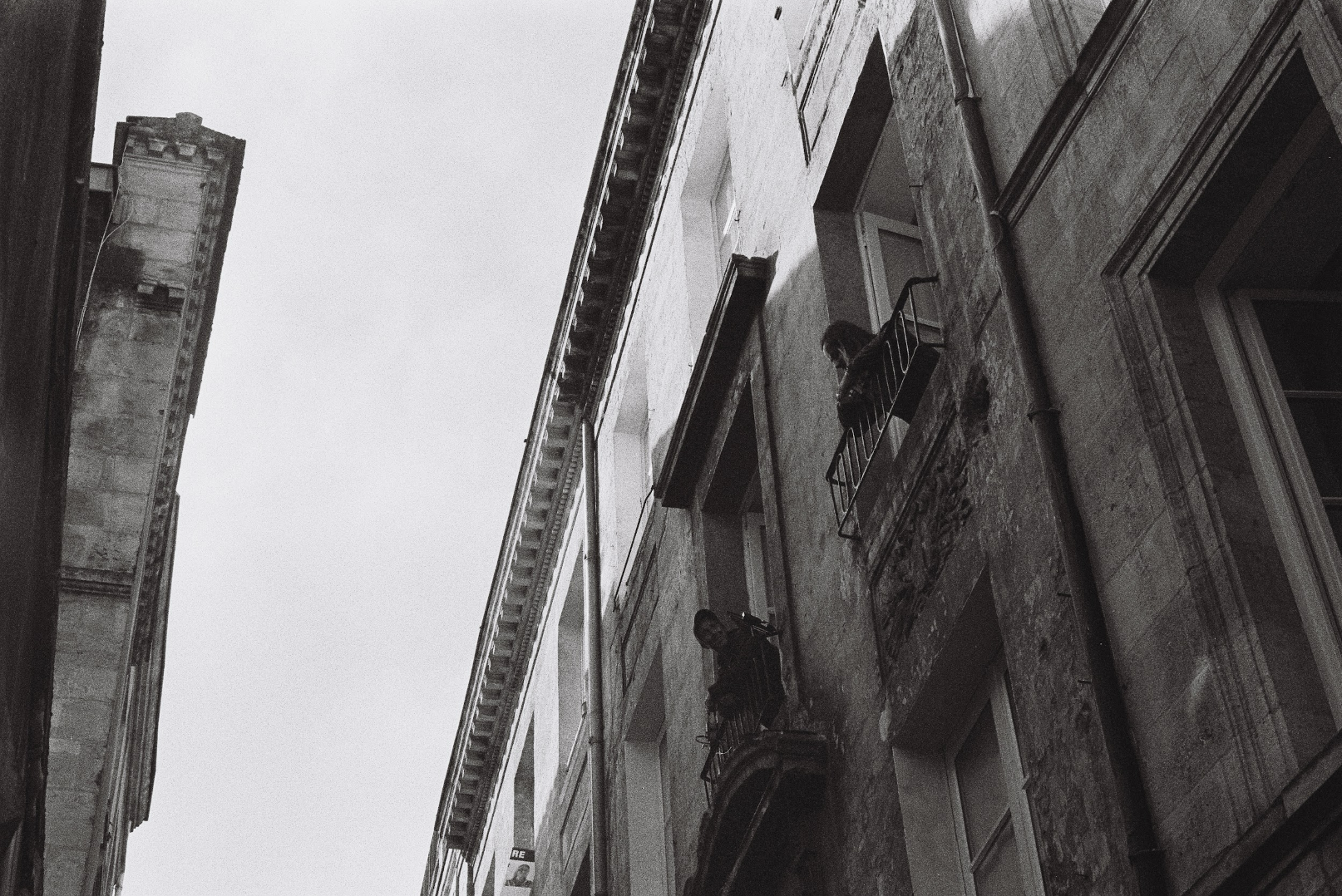
by Ignacy Badowski
However overstimulating the setting of my dreams may be, I’m drawn to a line by a Polish novelist, Olga Tokarczuk, in which she states that it is the real world that does not live up to the order of a dream: “to świat realny nie dorasta do porządku snu”.
I read her words through the lens of the psychiatrist and psychotherapist Carl Gustav Jung. He believed that in dreaming — and specifically in dreaming with attention— we become more whole, more real, and more ourselves.
Jung saw dreams as purposeful communications from the unconscious mind, claiming that: “until you make the unconscious conscious, it will direct your life,
and you will call it fate.”
He encouraged searching for and analyzing symbolic patterns in dreams, believing they could lead the way to revealing repressed aspects of the self that need not to be disregarded. By doing so, you achieve a corresponding inner unity.
With this, Jung further encouraged change, psychological transformation for the better. He believed dreams could and should influence that change to happen. Perhaps it is also in those in-between eras when we have yet to discover a new state of being that dreams are most vivid. Bringing your attention back to the words of Tokarczuk, I urge you to ponder whether your dreams are ordered or chaotic.
Do you feel calm, distressed, confused,
or do you feel close to nothing, suspended in emotional inertia?

by Ignacy Badowski
I like to believe I haven't met all of me yet and that my dreams are somehow here to guide me.
Every morning, I question if there is a reason behind my dream. I try to immerse myself within.
Am I being placed in this liminal space with intent?
Is this really a passage without destination, or am I moments from truth, almost reaching revelation that slips away in the first three minutes of waking?
My Architecture of Somnia
blurs within less than three minutes of waking up.
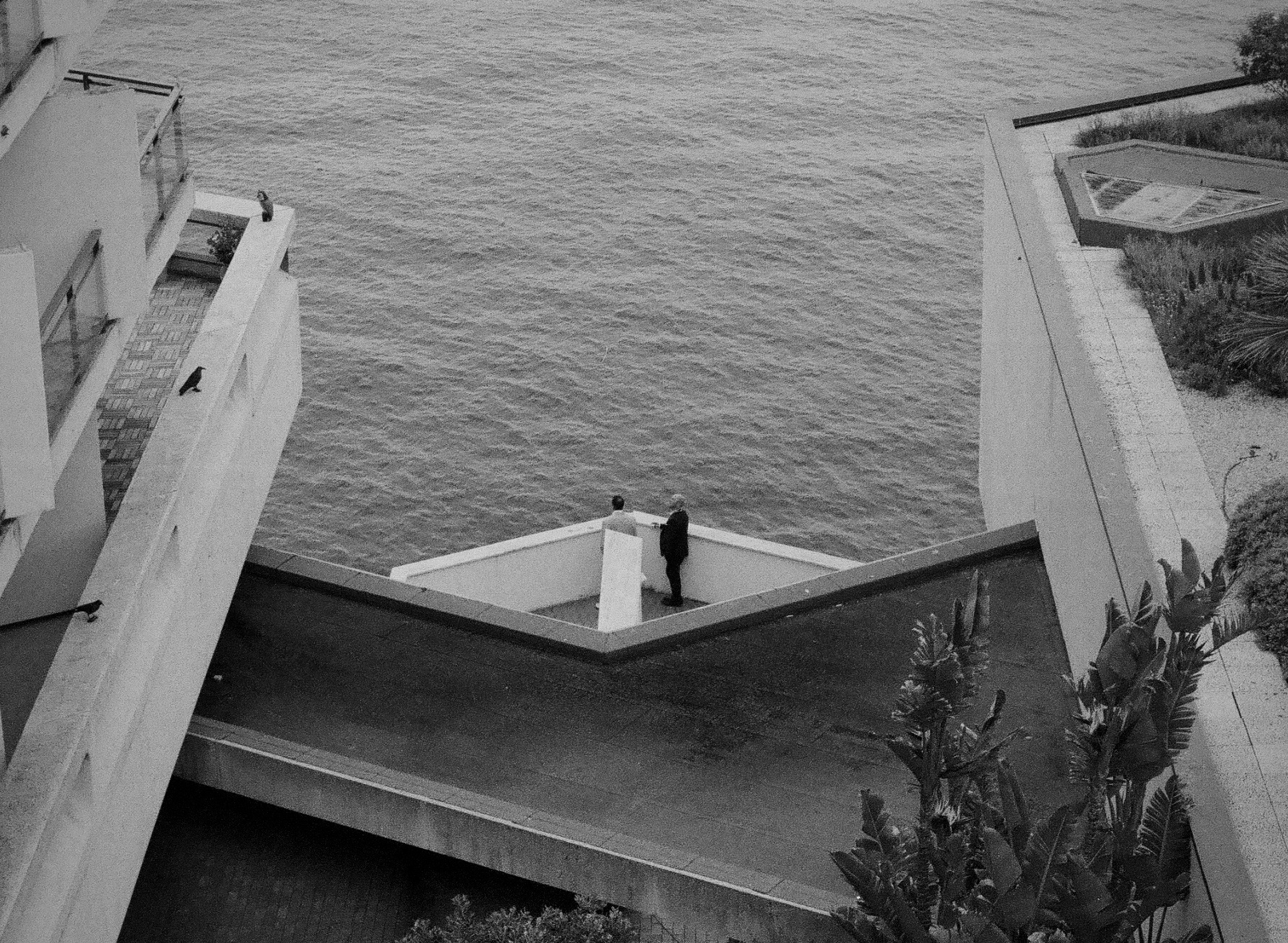
by Ignacy Badowski