2.0 SIGHT
EXISTENCE THROUGH THE SENSES: 2.0 SIGHT
For the second chapter of Existence through the Senses, we explore what remains when we look away…
Learning to see
Emma Torelli
I wish more people learned to see.
I often think I notice everything.
Of course, this is impossible. Whole lives unfold above the streets I walk through, in rooms I will never enter, and changes happen while I am somewhere else. Still, I recognize the impulse: the feeling that almost anything might deserve a second look.
My attention rarely stays where I intend it to.
I might be looking for a street number and find myself studying the balcony above it. I notice someone leaning out of a window, a strange-looking doorway, a couple fighting over something I cannot hear.
Living between Milan and Paris has made me think about this habit. Both cities arrive with staple images already attached to them. Before you know their streets, you know how they are supposed to look. You recognize the architecture, the clothes, the photographs people take. There is something strange about encountering a place you've already seen so often but never with your own eyes. You find yourself comparing the actual city against the one you brought with you.
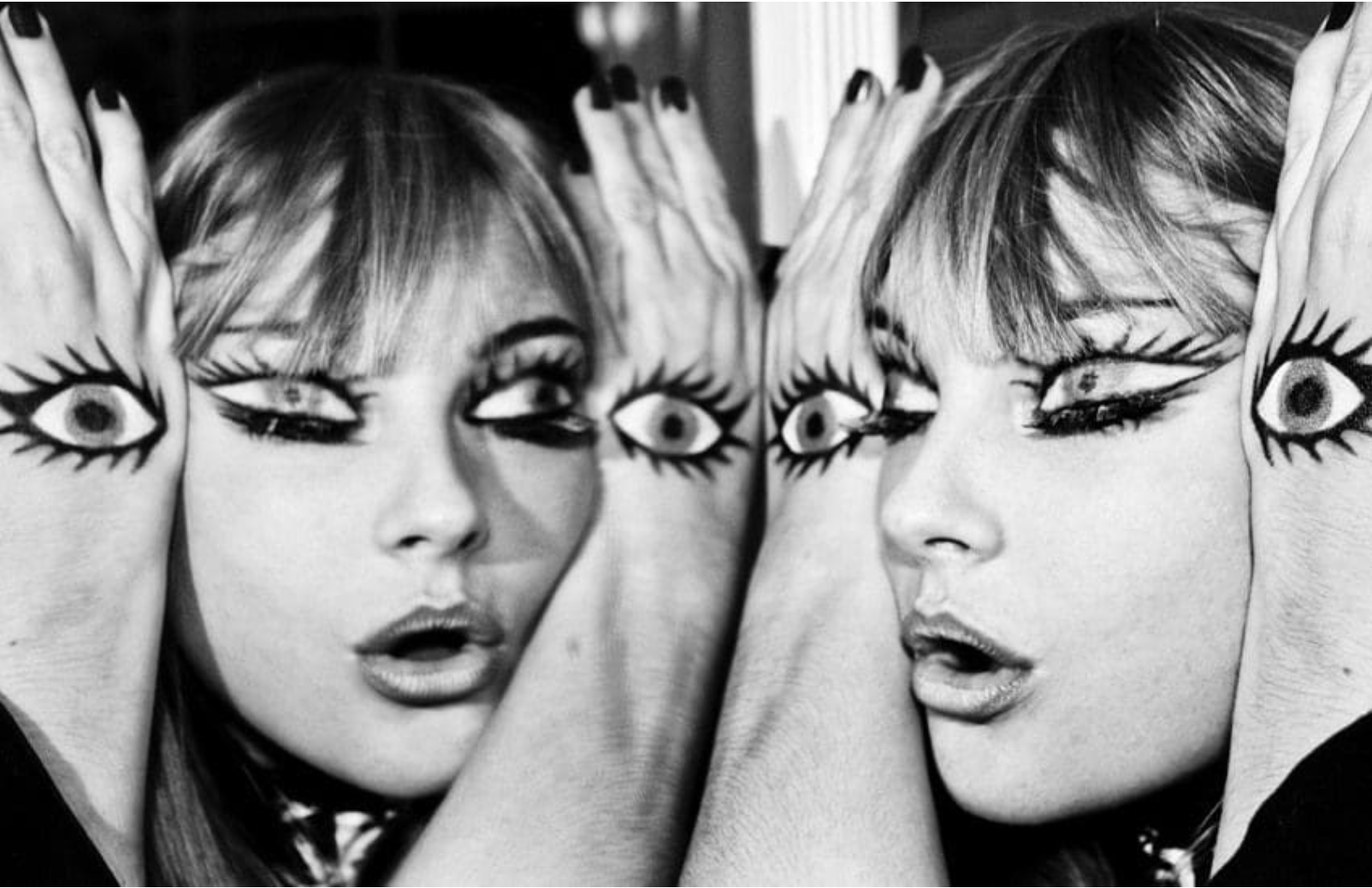
All seeing eyes by Sasha Rainbow
At first, looking is easy.
Everything offers itself as a possible discovery. You notice the new graffiti at your usual red light, the pothole in concrete pavements, how people wait at crossings, and start imagining the stories of how they got there. You find yourself constantly translating what you see into something you understand.
There is so much I don’t yet understand that looking becomes a way of finding the most ordinary details fascinating.
Over time, the initial curiosity begins to fade. What once held our attention becomes familiar enough to pass by without a second glance. We grow used to the things around us and assume we already know what there is to see. I wonder how much we overlook simply because we no longer expect to find anything new.
I often think about that transition.
Familiarity allows you to recognize details you once missed, but it also permits you to stop paying attention. You can know a street well enough to walk through it while thinking about something completely different. Then, one day, you look up and discover a face carved above an entrance. You pause beneath it, surprised that something so beautiful could have escaped your attention on so many previous walks.
But curiosity alone does not make our attention impartial.
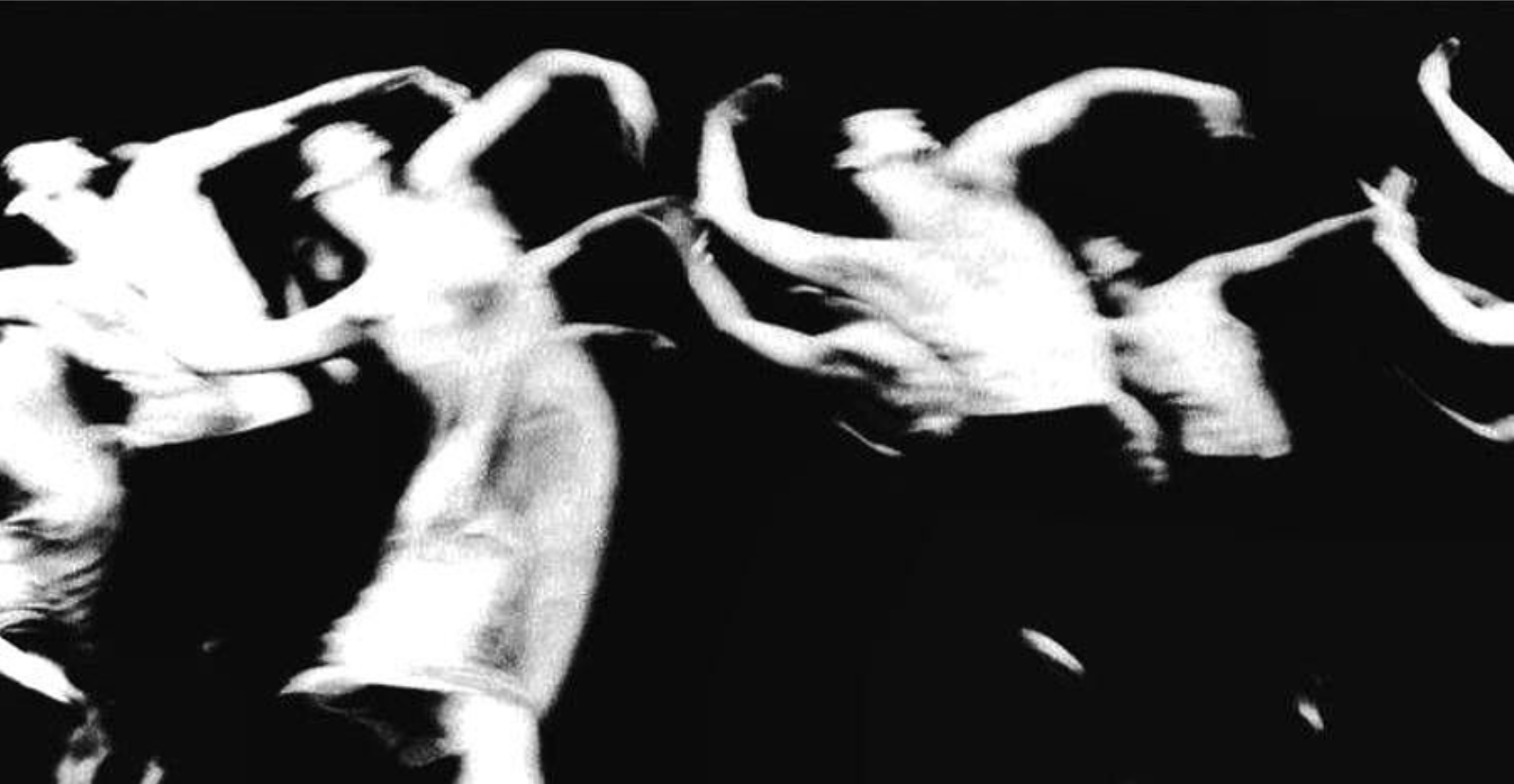
Pina Bausch